Small Cafe Equipment Setup Guide: Machines & Tools You Need
8 أبريل 2026
Imagine this: you’ve found your dream location, signed the lease, and can almost smell the espresso already. But then reality hits — the equipment. A proper small cafe equipment setup can feel overwhelming, especially when you’re juggling a tight budget with enormous ambitions. Which espresso machine is right for your volume? Do you really need a commercial blender? What food safety equipment does the health inspector actually want to see? These questions pile up fast.
The good news is that thousands of cafe owners before you have charted this territory, and the roadmap is clearer than ever. Whether you’re launching a cozy neighborhood spot, a specialty coffee kiosk, or a full-service artisan cafe, this guide walks you through every piece of equipment you need — from the espresso bar all the way to the back-of-house — so you can open your doors feeling prepared, not panicked.
This is the most comprehensive small cafe equipment setup guide on the internet. Bookmark it, share it with your business partner, and use it as your go-to checklist from day one.
What Is a Small Cafe Equipment Setup? (Definition)
A small cafe equipment setup refers to the complete collection of commercial-grade machines, tools, appliances, and furniture required to operate a small-scale cafe or coffee shop efficiently. This includes everything on the customer-facing espresso bar, behind the counter in preparation zones, and in the back-of-house storage and cleaning areas.
A well-planned setup balances three things: workflow efficiency (so your baristas aren’t bumping into each other), product quality (so every cup is consistent), and regulatory compliance (so you pass your health inspections and fire safety checks). Cutting corners on any one of these three pillars creates problems down the line — whether that’s slow service during the morning rush, inconsistent drinks that hurt your reviews, or a failed health inspection that delays your opening.
read more : Coffee Shop Equipment Cost in UAE: Budget Guide for New Cafes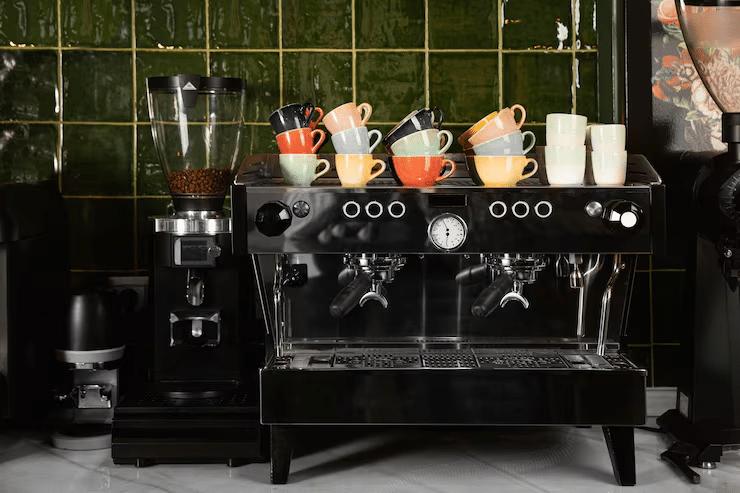
Why Planning Your Small Cafe Equipment Setup Matters Before You Spend a Dollar
Most first-time cafe owners make the same mistake: they fall in love with a beautiful espresso machine, buy it, and then realize they’ve blown half their equipment budget on a single item. Or they forget about the mundane-but-critical things — like a hand-washing sink, a mop sink, or a proper ventilation system — and face costly retrofits before they can open.
Planning your equipment list before purchasing ensures you:
• Stay within budget while covering every operational need
• Design a workflow that keeps service fast during peak hours
• Satisfy local health code and fire safety requirements from day one
• Avoid buying equipment you don’t need for your specific menu and volume
• Leave room in the budget for installation, training, and unexpected costs
The time you invest in planning your small cafe equipment setup will pay dividends every single day you operate. Let’s dig into every category.
Essential Espresso & Coffee Equipment for Your Small Cafe Setup
The espresso bar is the heart of any cafe. Everything else flows from it. Here is a breakdown of the core machines you need and what to look for when choosing them.
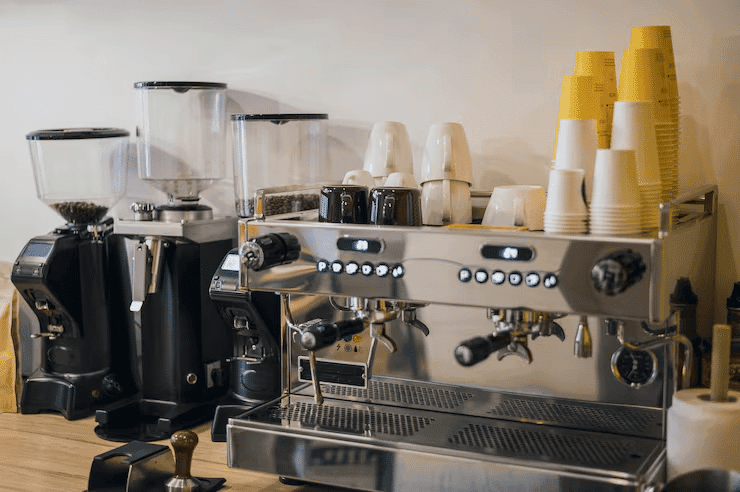
1. Commercial Espresso Machine
The espresso machine is the single most important piece of equipment in your cafe. For a small cafe serving up to 150–200 drinks per day, a prosumer or entry-level commercial machine will suffice. For higher volume, you need a mid-range or high-end commercial unit with multiple group heads.
Key considerations when choosing an espresso machine:
• Group heads: 2-group machines are standard for small cafes. A 1-group machine suits kiosks or very low volume operations.
• Boiler type: Heat Exchange (HX) boilers allow you to brew and steam simultaneously and are more affordable. Dual boilers offer the best temperature stability and are ideal if you prioritize specialty coffee quality.
• Brand reliability: La Marzocco, Nuova Simonelli, Rancilio, and Rocket Espresso are industry-trusted brands with strong service networks.
• Serviceability: Always verify local technician availability for your chosen brand before purchasing.
Budget range: $3,000–$15,000+ depending on brand and features. Leasing is a smart option for new cafes to preserve capital.
2. Commercial Espresso Grinder
Never underestimate the grinder. Coffee professionals often say the grinder matters as much as — or more than — the espresso machine. A consistent, accurate grind is the foundation of great espresso. For a small cafe, you need at minimum one dedicated espresso grinder and ideally a second for decaf or alternative blends.
Look for grinders with:
• Flat or conical burrs (flat burrs deliver more consistency at high volume)
• Stepless grind adjustment for micro-precision dialing
• Programmable dosing for speed and consistency
• Built-in timer or scale integration for weight-based dosing
Top brands: Mazzer, Mahlkonig, Eureka, and Compak. Budget: $800–$3,500+ per grinder.
3. Automatic Drip Coffee Brewer
Even in a specialty coffee cafe, drip coffee accounts for a significant portion of orders. A commercial batch brewer — such as models from Bunn, Curtis, or Fetco — ensures you always have fresh drip coffee ready. As part of a complete small cafe equipment setup, a quality brewer is non-negotiable.
Features to prioritize:
• Brewing temperature control (195–205°F optimal)
• Bypass brewing for adjustable strength
• Easy cleaning and descaling access
• Thermal airpots or satellite dispensers for holding quality
4. Pour-Over & Manual Brew Equipment
If your cafe targets specialty coffee enthusiasts, offering manual brew methods adds both revenue and brand credibility. Common tools include Chemex, Hario V60, Aeropress, and Kalita Wave. You’ll also need a gooseneck kettle (preferably electric with temperature control) and a precision scale. These items are relatively inexpensive but signal quality to discerning customers.
5. Cold Brew System
Cold brew has become a staple menu item year-round. A basic cold brew setup requires a commercial-grade cold brew tower or large-batch immersion container, plus refrigeration space. Pre-made cold brew concentrate in kegs is another option for small cafes that don’t want to manage the brewing process in-house.
Milk, Dairy & Specialty Beverage Equipment for Your Small Cafe
Modern cafe menus go far beyond espresso and drip coffee. Here’s the equipment you need to serve the full beverage spectrum.
Steam Wands and Milk Frothing
Your espresso machine’s steam wands handle most milk frothing. However, for very high-volume operations or if you want to offer nitro cold brew, matcha lattes, or hot chocolates efficiently, consider supplementary equipment like a dedicated milk steamer or automatic milk frother system (such as Mastrena or automatic frothers used by large chains).
Commercial Blender
If your menu includes smoothies, frappuccinos, blended drinks, or frozen beverages, a commercial-grade blender is essential. The Vitamix or Blendtec commercial series are industry standards, known for durability and speed. Expect to spend $400–$1,000 per blender. Sound-enclosing blender jars are worth the investment in open cafe environments to reduce noise.
Juice and Smoothie Equipment
If fresh juice is on the menu, a commercial juicer (centrifugal or cold-press) is required. Cold-press juicers deliver higher quality juice with better shelf life and are worth the premium if juice is a significant revenue line for your concept.
Hot Water Dispenser
For teas, Americanos, instant soups, or oatmeal, a dedicated commercial hot water dispenser is far more efficient than using the espresso machine’s hot water tap. Brands like Bunn and Fetco make reliable units. This keeps your espresso machine free for espresso-specific tasks and dramatically speeds up service.
Food Preparation Equipment Every Small Cafe Setup Needs
Most small cafes serve at least light food — pastries, sandwiches, salads, or baked goods. Even a coffee-focused concept needs some food prep and holding equipment.
Commercial Refrigeration
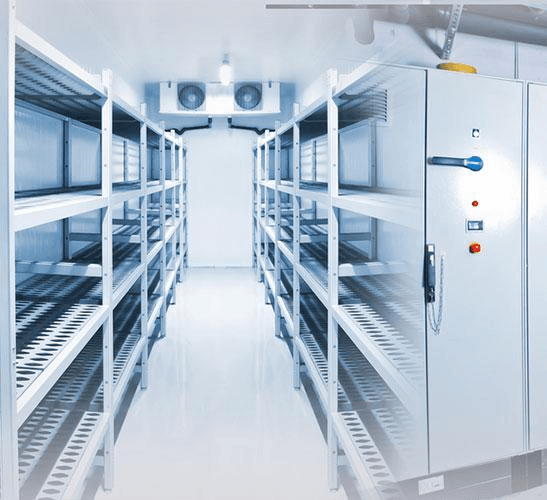
Refrigeration is a cornerstone of any small cafe equipment setup. You’ll need multiple refrigeration solutions depending on your menu:
• Under-counter refrigerators: Store milk, cream, and prep ingredients directly at the bar. Brands like True, Turbo Air, and Beverage-Air are industry standards.
• Reach-in refrigerators: For back-of-house ingredient storage and pre-made food items.
• Glass-door display coolers: For front-of-house grab-and-go items like bottled drinks, sandwiches, and salads. These double as sales tools.
• Bar-style coolers: Low-profile undercounter units that keep espresso bar workflows tight.
Pro tip: Always buy more refrigeration than you think you need. Running out of cold storage is one of the most common operational bottlenecks in small cafes.
read more : How to Choose Coffee Shop Equipment for Your Cafe
Commercial Toaster or Conveyor Toaster
For a cafe serving toasted sandwiches, bagels, or pastries, a commercial toaster is essential. For higher volume, a conveyor toaster (such as Hatco or Waring) allows consistent throughput without staff attention. For lighter use, a heavy-duty pop-up commercial toaster suffices.
Panini Press or Sandwich Grill
If hot sandwiches or paninis are on your menu, a commercial sandwich press or panini grill is required. Choose a unit with adjustable temperature and pressure for versatile use across different bread types and fillings.
Display Case or Pastry Case
A refrigerated or ambient display case near the register serves two purposes: it preserves food at proper temperatures and acts as a powerful visual sales tool, encouraging impulse purchases. Non-refrigerated acrylic display domes work for dry pastries; glass refrigerated cases are required for cream-filled or fresh items.
Commercial Microwave
A heavy-duty commercial microwave handles rapid reheating of food items and defrosting. Residential microwaves will fail quickly in a commercial environment. Look for 1,000–2,000 watt commercial units designed for foodservice use.
Small Cafe Equipment Setup: Cost & Priority Comparison Table
Use this table to plan your budget and prioritize your purchases:
| Equipment Item | Priority Level | Estimated Cost Range | Notes |
| Commercial Espresso Machine | Essential | $3,000 – $15,000+ | Lease to preserve capital |
| Espresso Grinder (x2) | Essential | $800 – $3,500 each | Never skip quality here |
| Commercial Batch Brewer | Essential | $500 – $2,000 | Fetco & Bunn are top choices |
| Under-Counter Refrigerator | Essential | $800 – $2,500 | Buy 2+ for espresso bar |
| Commercial Blender | High (if blended menu) | $400 – $1,000 | Vitamix or Blendtec |
| Commercial Toaster | Medium | $150 – $1,200 | Conveyor for high volume |
| 3-Compartment Sink | Essential (code) | $400 – $1,200 | Required by health code |
| Handwashing Sink | Essential (code) | $200 – $600 | Separate from 3-comp sink |
| Commercial Dishwasher | High | $2,000 – $8,000 | High-temp or chemical sanitize |
| POS System | Essential | $1,000 – $3,000/yr | Toast, Square, or Lightspeed |
| Barista Tools Kit | Essential | $300 – $800 | Tamper, scales, pitchers, etc. |
| Display Case / Pastry Case | Medium-High | $500 – $3,000 | Boosts impulse sales |
Warewashing & Sanitation Equipment for Your Small Cafe Setup
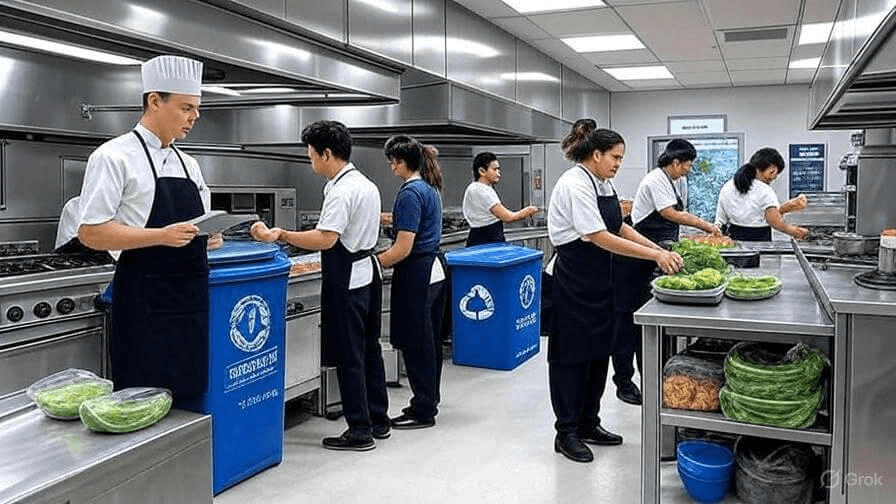
Health inspectors will scrutinize this area closely. Proper sanitation equipment is non-negotiable — not just for compliance, but for the safety of your customers and staff.
3-Compartment Sink
A three-compartment sink is required by commercial food code in virtually every jurisdiction. The three compartments are used for: wash (soapy water), rinse (clean water), and sanitize (chemical or heat). All non-dishwasher-safe items — including espresso portafilters, pitchers, and small tools — must be processed through this sink.
Handwashing Sink
A dedicated handwashing sink, separate from the 3-compartment sink and any food prep sinks, is required by health code. It must be easily accessible from all work areas, stocked with soap and paper towels, and used exclusively for handwashing — not rinsing dishes or dumping coffee.
Commercial Dishwasher
For cafes serving food on real dishes and mugs (rather than all disposables), a commercial dishwasher is a significant labor and time saver. There are two main types:
• High-temperature dishwashers: Sanitize with water at 180°F+. No chemical additives required but need a booster heater.
• Chemical sanitizing dishwashers (low-temp): Use chemical sanitizing agents at lower water temperatures. Lower upfront cost but ongoing chemical expense.
Undercounter models are ideal for small cafes and fit neatly into tight kitchen layouts.
Mop Sink
A mop sink (also called a floor sink or janitor sink) is required for floor cleaning and janitorial tasks. It’s usually located in a back closet or utility area. Don’t skip this — health inspectors look for it.
Sanitizing Station & Food Safety Supplies
Beyond sinks, you’ll need:
• Commercial sanitizer solution (quaternary ammonium or chlorine-based)
• Food-safe sanitizing buckets and test strips
• Color-coded cutting boards (to prevent cross-contamination)
• Food thermometers (digital probe style)
• Food storage containers with date labels
• Gloves, hairnets, and aprons for food handlers
Point of Sale & Technology Tools for Your Small Cafe Equipment Setup
No modern small cafe equipment setup is complete without a reliable technology stack. Your POS system is the operational brain of your business — it processes transactions, tracks inventory, manages your loyalty program, and generates the sales reports you need to make smart business decisions.
POS System
Top POS systems for small cafes include Toast, Square for Restaurants, Lightspeed Restaurant, and Clover. When choosing, consider:
• Ease of use for baristas (fast order entry during rush)
• Integration with your payment processor
• Inventory and recipe management features
• Offline mode (critical — your internet will go down eventually)
• Customer loyalty program built-in or via third-party app
• Reporting dashboards for food cost, labor, and sales trends
Credit Card Terminal & Contactless Payment
Contactless payments (Apple Pay, Google Pay, tap-to-pay cards) have become expected by customers. Ensure your POS setup includes a modern card reader that accepts chip, swipe, and contactless payments. Many POS systems include this hardware in their bundle.
Customer Display Screen
A customer-facing display screen attached to your POS allows customers to see their order and total as it’s rung up, reducing errors and building trust. It also provides upsell prompts and can display your loyalty program.
Menu Board
Digital menu boards (large-format displays connected to a content management system) are increasingly popular in small cafes because they allow easy price and menu changes without reprinting. Physical chalkboard menus are charming and low-cost but less flexible. Budget $200–$2,000 depending on the solution you choose.
Receipt Printer & Label Printer
A thermal receipt printer connects to your POS for printed receipts. A label printer (such as a Dymo or Zebra model) is useful for labeling food items, pre-made drinks, and to-go orders with preparation time, contents, and allergen information.
Barista Accessories & Small Tools for Your Small Cafe Setup
These smaller items are easy to overlook but are essential to daily operations and drink quality. Don’t underestimate how much these tools affect workflow and consistency.
read more : Complete Guide to Cafe Coffee Equipment in UAE: Setup, Cost & Capacity
Essential Barista Tool Kit
• Tamper: Precision tampers (calibrated to 30 lbs of pressure) ensure consistent espresso puck preparation. A good tamper costs $40–$150.
• Distribution tool / WDT tool: Eliminates channeling in espresso pucks for more even extraction.
• Milk frothing pitchers: Multiple sizes (12 oz and 20 oz) in stainless steel. Buy at least 6–10 for a small cafe.
• Precision scales: For weighing doses and yields. Acaia and Hario make excellent barista scales with Bluetooth connectivity for app integration.
• Shot glasses / espresso glasses: For monitoring espresso yield visually.
• Knock box: For discarding used espresso pucks quickly. Built-in or countertop versions available.
• Portafilter baskets: Extra baskets in various sizes (single, double, triple) for menu flexibility.
• Steam wand cleaning tools: Tip cleaning needles, wand cloths, and backflush discs.
• Barista brush: For cleaning the group head and grinder chute.
• Thermometer (analog + digital): For monitoring milk steaming temperature.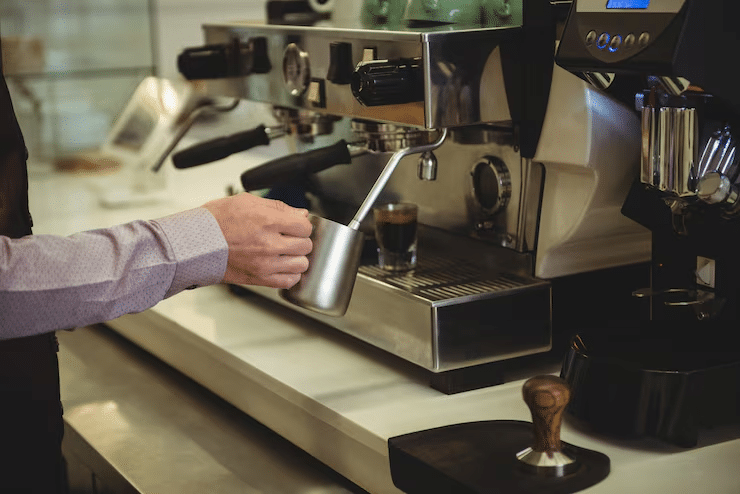
Drinkware & Serveware
Your drinkware choices are a brand statement. Options include:
• Ceramic espresso cups and saucers (durable and premium feel)
• To-go cups: paper cups in 8 oz, 12 oz, 16 oz, and 20 oz with matching lids
• Cold drink cups: plastic or PLA (compostable) with dome lids and straws
• Reusable cups (for loyalty incentives and sustainability programs)
Pro tip: Order 25–30% more cups than you think you need for your opening month. Running out of cups during a morning rush is a nightmare no new cafe owner wants to experience.
Condiment & Add-On Station
Every cafe needs a well-stocked condiment bar for self-serve customers. This includes:
• Sugar packets and sweetener alternatives (stevia, monk fruit, etc.)
• Cream, half-and-half, and non-dairy alternatives in proper dispensers
• Stirring sticks and napkins in holders
• Splash guards for spill management
Furniture, Layout & Ambiance Equipment for Your Small Cafe
The physical environment of your cafe is as important as the coffee. Furniture and layout choices directly affect customer dwell time, table turnover rates, and the overall brand experience. A well-designed small cafe equipment setup always accounts for the front-of-house furniture and customer experience zone.
Seating Options
Choose seating that matches your concept and traffic patterns:
• High-top bar stools + counters: Great for solo customers and maximizes seating in small footprints.
• Two-top and four-top tables: Standard cafe seating for groups.
• Lounge chairs and sofas: Create dwell-friendly environments for remote workers and weekend visitors. But they take up more space per customer.
• Outdoor seating: If your location allows, patio furniture dramatically increases your capacity at minimal cost per seat.
👉 Browse our professional collections of Coffee Makers and Beverage Refrigeration Equipment to find everything you need for an efficient and high-performing café setup.
Counter Design & Work Surfaces
The espresso bar counter is your stage. Stainless steel work surfaces are the industry standard for sanitation and durability. Ensure your bar counter height accommodates comfortable standing work for baristas (typically 34–36 inches) and eye-level customer interaction across the bar.
Shelving & Storage
Install NSF-certified wire shelving units for back-of-house storage. Open shelving behind the bar for cups, syrup bottles, and supplies keeps baristas efficient. Closed cabinets beneath the bar provide concealed storage for cleaning supplies and backup stock.
Utilities & Infrastructure: The Hidden Side of Small Cafe Equipment Setup
These items are not glamorous, but failing to account for them can blow your budget and delay your opening by weeks.
Water Filtration System
Water quality dramatically affects coffee taste and espresso machine lifespan. Most city water contains minerals, chlorine, and scale-forming compounds that damage boilers and pipes over time. A commercial water filtration system (such as the Pentair/Everpure series) is one of the best investments you can make. It protects your expensive machines and ensures every cup tastes its best.
Ventilation & HVAC
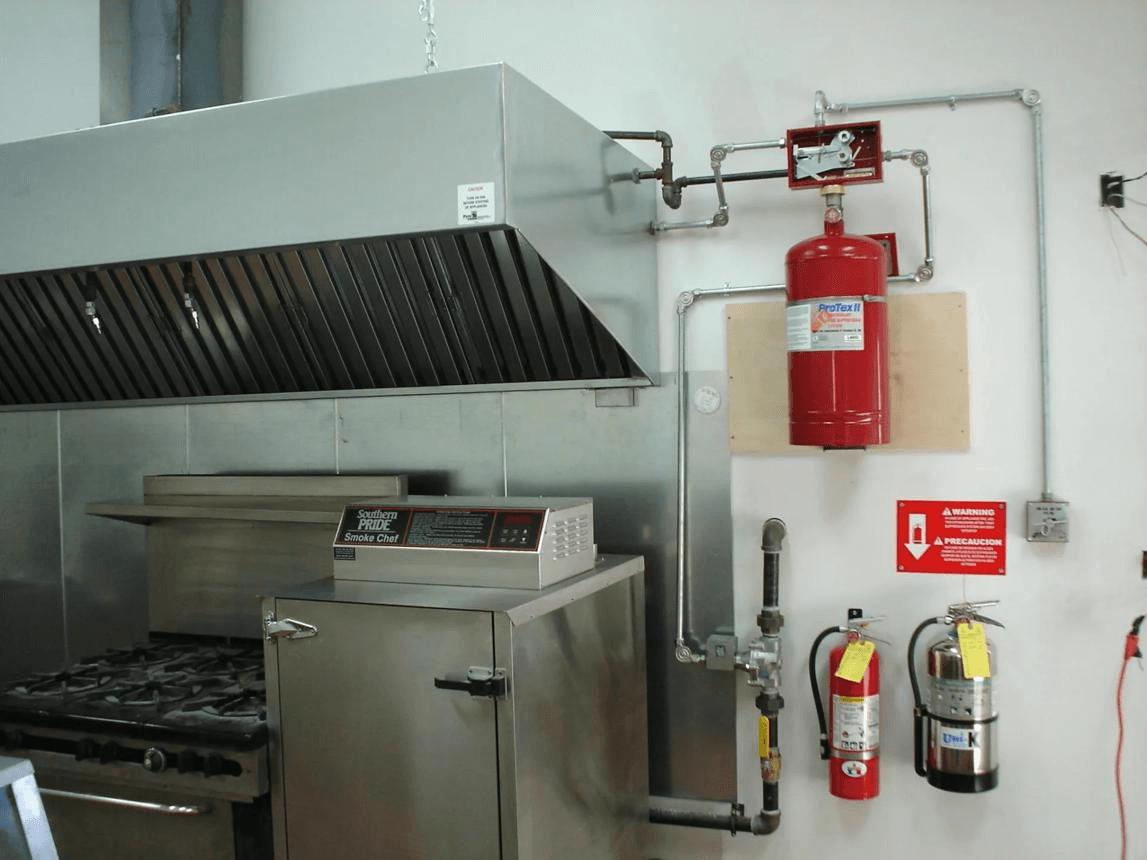
If your cafe includes any cooking — even just a toaster or panini press — local fire code will require adequate ventilation. A commercial range hood with fire suppression may be required. Consult your local health department and fire marshal before finalizing your equipment list.
Electrical Capacity
Commercial espresso machines, dishwashers, and HVAC systems draw significant power. Before signing your lease, verify that the electrical capacity of the space can support your equipment needs. Many older retail spaces lack the 200–400 amp service that a fully equipped cafe requires. Electrical upgrades are expensive — this is a negotiating point with your landlord.
Plumbing
Your espresso machine, dishwasher, sinks, and mop sink all require dedicated plumbing connections. Work with a licensed plumber early in your build-out to map all connection points and ensure compliance with local codes.
Step-by-Step Process to Plan Your Small Cafe Equipment Setup
Here is a clear, actionable process to go from blank canvas to a fully equipped cafe:
1. Define Your Menu First: Your equipment list flows from your menu. A cold brew and bakery concept needs different tools than a full espresso bar with hot food.
2. Determine Your Volume: How many drinks per day do you plan to serve at launch? This determines machine size, group head count, and refrigeration capacity.
3. Sketch Your Floor Plan: Map your bar layout before buying anything. Workflow efficiency depends on smart spatial planning — your grinder should be next to your machine, your knock box nearby, and your refrigerators within arm’s reach.
4. Consult Health & Fire Code: Visit your local health department before purchasing food equipment. Requirements vary by city and state.
5. Set a Realistic Budget: Allocate 25–35% of your total startup budget to equipment. For a small cafe, total equipment costs typically range from $25,000–$75,000+.
6. Explore New vs. Used vs. Lease: New equipment comes with warranties. Used equipment from restaurant liquidation auctions can save 40–70% on cost. Leasing preserves cash flow.
7. Order in Stages: Order long-lead equipment (espresso machines, refrigeration) early. Small tools can be ordered closer to your opening date.
8. Train Your Team Before Opening: Schedule equipment training sessions so your baristas are confident and efficient before your first customer walks in.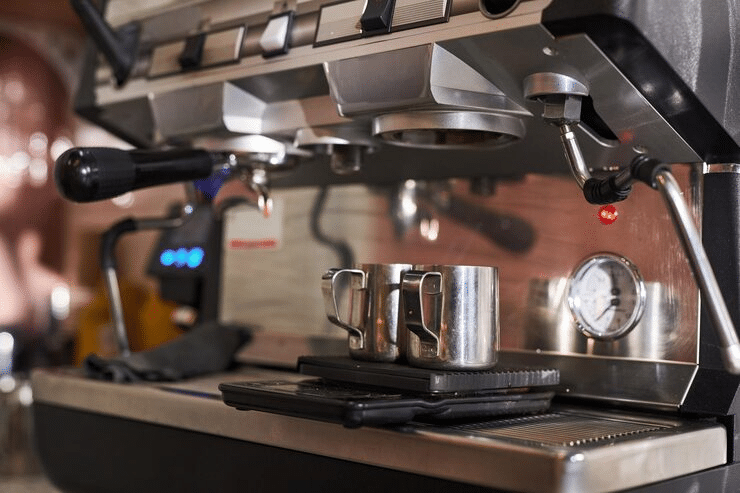
New vs. Used Equipment: What to Buy New and What You Can Buy Used
Budget is always a constraint for new cafe owners. Here’s a smart framework for deciding what to buy new versus used:
| Equipment | Buy New? | Buy Used? | Reason |
| Espresso Machine | Recommended | With caution | Warranty & service access critical |
| Grinder | Yes | Maybe (if serviced) | Worn burrs ruin coffee quality |
| Commercial Refrigerator | Preferred | Yes — common & reliable | Easy to inspect; save 40–60% |
| 3-Compartment Sink | Yes | Yes | Simple stainless — condition easy to assess |
| Dishwasher | Preferred | With inspection | Pumps and seals wear quickly |
| Blender | Yes | With caution | Blade wear affects quality |
| Furniture & Shelving | Optional | Yes — great savings | Liquidation sales excellent source |
| POS Hardware | Recommended | No | Software compatibility issues with old hardware |
Frequently Asked Questions About Small Cafe Equipment Setup
1. How much does a small cafe equipment setup cost?
A small cafe equipment setup typically costs between $25,000 and $75,000 for a standard espresso-focused cafe. This includes the espresso machine, grinders, refrigeration, sinks, POS system, furniture, and small tools. High-end specialty cafes or those with full food menus can exceed $100,000 in equipment costs.
2. What is the most essential piece of equipment for a small cafe?
The commercial espresso machine is typically the most essential — and most expensive — piece of equipment. However, equally critical is the grinder, since no espresso machine can compensate for poor or inconsistent grinding. Together, the machine and grinder form the foundation of your espresso bar.
3. Can I use residential equipment in a commercial cafe?
No. Health codes in most jurisdictions require NSF-certified commercial equipment for businesses serving the public. Residential appliances are not designed for continuous commercial use, will void your business insurance, and will fail under the workload of even a small cafe.
4. Do I need a commercial dishwasher for a small cafe?
If you serve beverages in reusable mugs or serve food on real plates, a commercial dishwasher dramatically improves efficiency. If you operate a takeaway-only concept using disposable cups, a 3-compartment sink may be sufficient. Check your local health code for requirements specific to your concept.
5. How many refrigeration units does a small cafe need?
Most small cafes need at minimum two under-counter refrigerators at the espresso bar (one for milk, one for additional bar ingredients), plus at least one reach-in refrigerator in the back for ingredient storage. If you offer grab-and-go food, a glass-door display cooler is also needed.
6. What is the best POS system for a small cafe?
Toast and Square for Restaurants are the most popular choices for small cafes due to their ease of use, competitive pricing, and strong customer support. Lightspeed Restaurant is preferred for cafes with more complex inventory management needs. All three offer free demos, so test them before committing.
7. Should I buy or lease my espresso machine?
Leasing is often the smarter financial choice for new cafes because it preserves capital and typically includes a service agreement. Buying is better long-term if you have the capital, since you own the equipment outright. Many equipment suppliers offer rent-to-own programs that bridge the two approaches.
8. What water filtration do I need for my espresso machine?
A commercial inline water filtration system designed for espresso machines is essential. The Pentair Everpure and 3M Filtration series are widely used in the industry. Filter your water to reduce scale-forming minerals (calcium and magnesium) while retaining some mineral content for proper espresso extraction. Fully softened or reverse-osmosis water is not ideal for espresso.
9. How do I plan the layout of my small cafe?
Start with the workflow: customer entry → ordering point → espresso bar → handoff area → seating. The espresso machine, grinder, and refrigerator should be within one step of each other. Sinks should be accessible from both the bar and any food prep areas. Leave adequate aisle space for multiple baristas to work side-by-side without collision.
10. What certifications should cafe equipment have?
Look for NSF International certification on all food contact equipment, UL or ETL listing for electrical safety, and Energy Star certification where available (especially for refrigeration). These certifications ensure equipment meets public health standards and are typically required for health department approval.
11. What are the hidden costs of a small cafe equipment setup?
Common overlooked costs include: installation and plumbing connections, electrical upgrades, equipment delivery fees, extended warranties and service agreements, staff training, initial smallwares (first order of cups, lids, etc.), and permit fees for health inspections. Budget an additional 15–20% beyond equipment purchase prices for these costs.
12. How long does it take to set up a small cafe?
From lease signing to opening day, most small cafes take 3–6 months to complete their equipment setup, build-out, permitting, and training. Equipment lead times (especially for espresso machines) can be 4–12 weeks, so order early.
Conclusion: Your Small Cafe Equipment Setup Is the Foundation of Everything
Opening a cafe is one of the most exciting — and demanding — entrepreneurial journeys you can undertake. At the center of it all is your small cafe equipment setup. Get it right, and your team will work efficiently, your coffee will be outstanding, and your customers will keep coming back. Get it wrong, and you’ll spend your first year firefighting breakdowns, failed inspections, and bottlenecked workflows.
The key takeaways from this guide are simple: plan your menu first, then let your menu drive your equipment list. Prioritize the espresso machine and grinder above all else. Never cut corners on sanitation equipment. Invest in a reliable POS system. And leave room in your budget for the costs that nobody tells you about until you’re in the middle of your build-out.
Your small cafe equipment setup is not just a collection of machines — it’s the infrastructure of your dream. Build it thoughtfully, and it will serve you well for years to come.
Did you find this guide helpful? Share it with a fellow aspiring cafe owner, leave a comment with your questions, or explore more of our cafe business guides to continue building your knowledge. The best cup of coffee starts long before the beans are ground — it starts with the right setup.
👉 Browse our professional collections of Coffee Makers and Beverage Refrigeration Equipment to find everything you need for an efficient and high-performing café setup.