Cold Storage Temperature Requirements UAE Legal: Standards Every Food Business Must Understand
15 يونيو 2026
Cold storage is one of the most important components of food safety and compliance in the UAE food industry.
Whether operating a supermarket, restaurant, catering company, hotel, cloud kitchen, bakery, food manufacturing facility, or food distribution business, maintaining proper storage conditions is essential for protecting product quality and supporting regulatory compliance.
Food products often travel through multiple stages before reaching consumers.
These stages may include:
- Receiving
- Storage
- Preparation
- Transportation
- Retail display
- Food service
At every stage, temperature control plays a critical role.
When cold storage systems fail, businesses may face:
- Product spoilage
- Inventory losses
- Food safety risks
- Compliance concerns
- Customer complaints
- Operational disruptions
For this reason, cold storage management has become a central focus of modern food safety programs.
As a provider of complete commercial kitchen solutions, Al Razana Kitchen Equipment helps restaurants, supermarkets, food manufacturers, hotels, cloud kitchens, and foodservice operators create cold storage environments designed for compliance, efficiency, reliability, and long-term operational success.
Why Temperature Control Is Critical in Food Businesses
Temperature management affects almost every aspect of food handling.
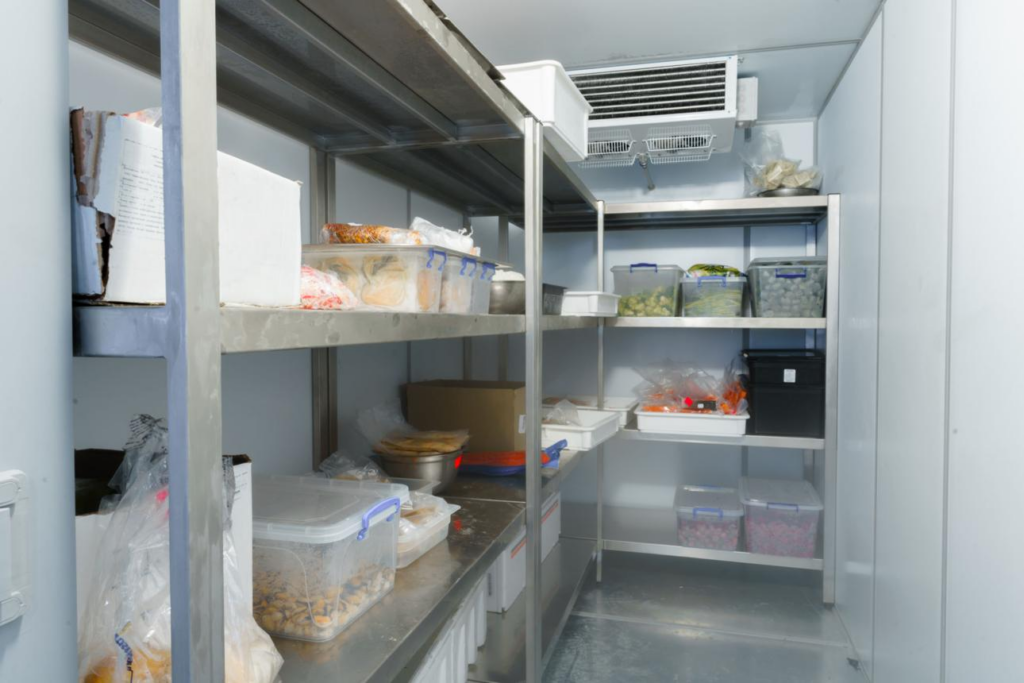
Maintaining proper storage conditions helps protect products throughout their lifecycle.
Effective Temperature Control Supports
- Food safety
- Product quality
- Inventory protection
- Shelf-life management
- Operational consistency
- Regulatory compliance
Without reliable temperature management systems, food businesses face increased operational risk.
Cold Storage Is More Than Refrigeration
Many businesses view cold storage as simply placing products inside refrigerated equipment.
In reality, effective cold storage requires:
- Monitoring systems
- Operational procedures
- Staff awareness
- Maintenance programs
- Documentation controls
All these components work together to support compliance.
Understanding Cold Storage Compliance in the UAE
Food businesses operating in the UAE are expected to maintain storage environments that support food safety and product integrity.
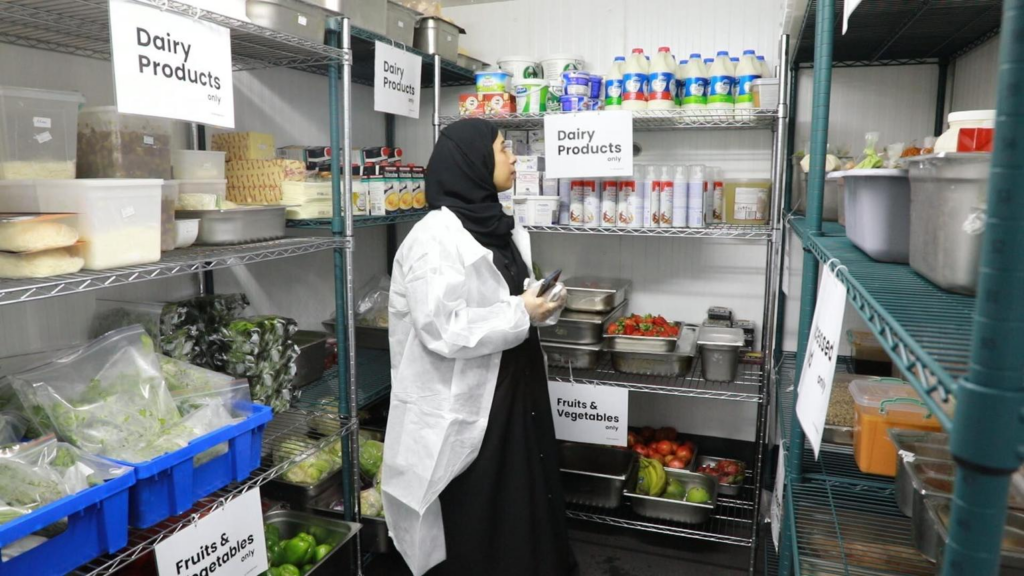
Compliance extends beyond equipment ownership.
Businesses must demonstrate that storage systems function consistently and effectively.
Compliance Often Involves
- Temperature monitoring
- Equipment maintenance
- Product handling procedures
- Documentation systems
- Operational controls
The objective is protecting food products from avoidable risks.
Why Cold Chain Management Matters
Food products often move through multiple environments before reaching consumers.
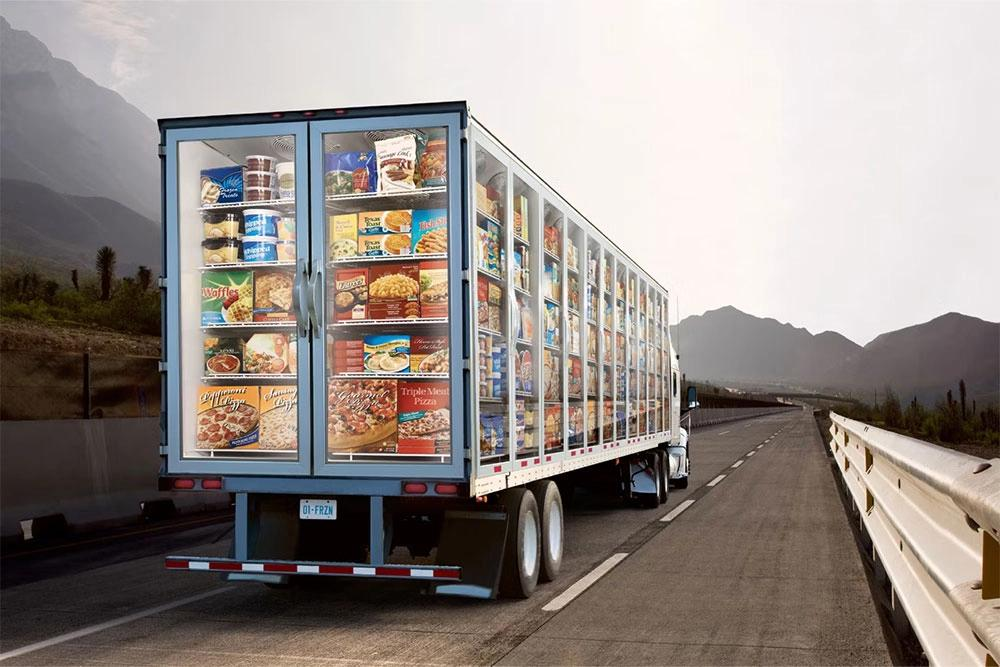
This creates what is commonly referred to as the cold chain.
The cold chain includes all temperature-controlled stages involved in product movement.
Cold Chain Management Supports
- Product integrity
- Food safety
- Traceability
- Inventory protection
- Consumer confidence
Any breakdown within the cold chain can create operational and compliance challenges.
Consistency Is Essential
Maintaining temperature control throughout the entire process is often more important than individual storage events.
The Financial Impact of Poor Temperature Management
Many businesses focus on compliance without recognizing the financial implications of cold storage failures.
Why Commercial Refrigeration Is a Strategic Investment
Poor temperature control often results in:
- Product losses
- Inventory write-offs
- Increased waste
- Customer dissatisfaction
- Operational inefficiencies
Effective cold storage management helps protect profitability as well as compliance.
Temperature Control Supports Operational Efficiency
Reliable systems allow businesses to:
- Reduce spoilage
- Improve inventory turnover
- Strengthen forecasting accuracy
- Improve product quality consistency
These benefits contribute directly to business performance.
Why Commercial Refrigeration Is a Strategic Investment
Commercial refrigeration systems should not be viewed simply as operational equipment.
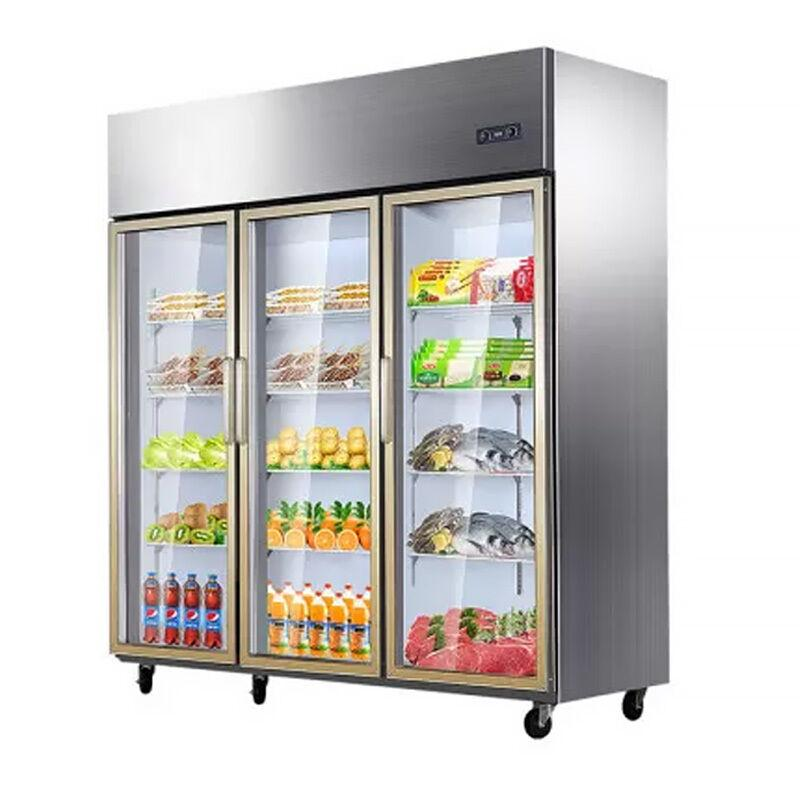
They represent critical business infrastructure.
Refrigeration Systems Influence
- Product preservation
- Inventory protection
- Operational continuity
- Food safety performance
- Compliance readiness
Selecting appropriate refrigeration solutions can significantly impact long-term business outcomes.
Common Cold Storage Challenges in Food Businesses
Many food operators face recurring storage-related issues.
Understanding these challenges helps businesses develop stronger control systems.
Inconsistent Monitoring
Without regular monitoring, problems may go unnoticed.
Poor Inventory Rotation
Inefficient stock movement often contributes to spoilage.
Equipment Performance Issues
Aging or poorly maintained equipment can affect storage reliability.
Inadequate Staff Training
Employees play a critical role in maintaining proper storage practices.
Weak Documentation
Insufficient records can make compliance verification more difficult.
Addressing these challenges helps improve both compliance and operational efficiency.
Temperature Logging and Operational Control
Monitoring is one of the most important aspects of cold storage management.
Businesses should establish structured systems that provide visibility into storage performance.
Benefits of Temperature Logging
Temperature records help support:
- Compliance efforts
- Operational accountability
- Problem identification
- Performance verification
- Continuous improvement
Consistent monitoring creates stronger operational control.
Why Documentation Matters
Documentation provides evidence that systems are functioning as intended.
It also helps businesses identify trends and potential issues before they become serious problems.
How HACCP and Cold Storage Work Together
Cold storage management is closely connected to food safety systems.
Businesses implementing structured food safety programs often integrate temperature management into their operational controls.
Restaurant operators may also benefit from reviewing the HACCP Certification UAE Restaurant Guide: Step-by-Step Implementation to strengthen overall food safety management systems.
Shared Objectives Include
- Risk prevention
- Monitoring
- Documentation
- Corrective actions
- Continuous improvement
These principles support safer and more reliable operations.
Why Commercial Kitchen Design Influences Cold Storage Performance
Many cold storage challenges originate from facility design rather than refrigeration equipment alone.
Commercial kitchen design influences how products move through the operation.
Effective Design Supports
- Efficient workflows
- Inventory management
- Product accessibility
- Storage organization
- Temperature consistency
A properly planned environment helps maximize refrigeration performance.
Planning Before Purchasing Equipment
The most successful projects begin with operational planning.
Equipment should support workflows rather than dictate them.
This approach often produces better long-term results.
Cold Storage Requirements for Different Food Businesses
Although operational requirements vary, effective temperature management remains essential across all sectors.
Restaurants
Require efficient storage to support daily production.
Supermarkets
Need consistent storage and display management.
Catering Companies
Depend on reliable cold chain systems during preparation and transportation.
Cloud Kitchens
Require organized storage systems that support high-volume production.
Food Manufacturers
Need scalable cold storage infrastructure to support production consistency.
Each business type benefits from structured temperature management practices.
Why Maintenance Is Essential for Compliance
Even the best refrigeration equipment requires ongoing maintenance.
Without proper care, performance can decline over time.
Preventive Maintenance Supports
- Reliable operation
- Temperature stability
- Reduced downtime
- Equipment longevity
- Compliance readiness
Maintenance should be viewed as an operational investment rather than a reactive expense.
How Al Razana Kitchen Equipment Supports Cold Storage Compliance
Al Razana Kitchen Equipment helps food businesses create cold storage environments designed for efficiency, reliability, and compliance.
Commercial Kitchen Design
Developing layouts that support effective cold chain management.
Kitchen Planning & Consultancy
Aligning storage requirements with operational goals.
Commercial Refrigeration Solutions
Providing refrigeration systems suitable for professional foodservice environments.
Installation Services
Ensuring proper implementation and operational readiness.
Stainless Steel Fabrication
Creating custom-built solutions that improve storage organization.
Turnkey Commercial Kitchen Projects
Delivering complete operational environments from concept through execution.
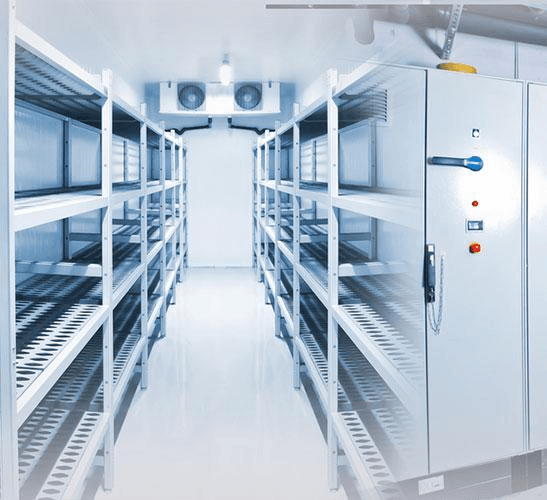
Cold Room Design Best Practices for Food Businesses
A cold room is much more than a refrigerated storage area.
It is a critical operational asset that directly impacts food safety, inventory management, compliance, and profitability.
Poorly designed cold rooms often create challenges that extend throughout the entire operation.
Effective Cold Room Design Supports
- Product preservation
- Efficient inventory access
- Temperature consistency
- Stock rotation
- Operational productivity
Businesses that invest in proper planning often experience stronger long-term performance.
Why Design Matters Before Equipment Selection
Many operators focus on refrigeration units first.
However, successful cold storage projects begin with understanding:
- Product volumes
- Workflow requirements
- Storage categories
- Growth expectations
- Operational processes
This approach helps create scalable and efficient storage environments.
Temperature Monitoring Systems: The Foundation of Compliance
Monitoring systems provide visibility into storage performance.
Without monitoring, businesses may not detect temperature fluctuations until products have already been affected.
Benefits of Monitoring Systems
Effective monitoring supports:
- Operational control
- Compliance readiness
- Product protection
- Performance verification
- Early issue detection
These systems help businesses respond proactively rather than reactively.
Monitoring Supports Accountability
Structured monitoring programs create transparency across operations.
This improves consistency and strengthens food safety management.
Why Alarm Systems Are Essential for Cold Storage Operations
Equipment failures can occur unexpectedly.
Alarm systems help businesses respond quickly when operational conditions change.
Early Detection Helps Prevent
- Product spoilage
- Inventory losses
- Compliance concerns
- Operational disruptions
The ability to identify issues quickly can significantly reduce potential damage.
Business Continuity Depends on Reliability
For food businesses, uninterrupted cold storage performance is essential.
Alarm systems provide an additional layer of protection that supports operational resilience.
Cold Chain Documentation and Traceability
Cold storage compliance involves more than maintaining temperatures.
Businesses should also be able to demonstrate that products have been managed appropriately throughout their lifecycle.
Documentation Supports
- Food safety programs
- Compliance verification
- Inventory control
- Operational accountability
- Traceability initiatives
Well-organized records create stronger operational visibility.
Why Traceability Matters
Traceability helps businesses understand:
- Where products originated
- How products were handled
- When products were stored
- How products moved through operations
This information becomes increasingly valuable as businesses grow.
The Relationship Between Cold Storage and Food Waste Reduction
Poor temperature management is one of the most common causes of food waste.
Products that are not stored correctly often experience reduced shelf life.
This creates unnecessary losses.
Effective Cold Storage Supports
- Product preservation
- Inventory utilization
- Reduced spoilage
- Better stock rotation
- Improved profitability
Businesses seeking to reduce operational waste may also benefit from reviewing the Food Waste Regulations UAE Restaurants: What Must Be Done to Stay Compliant guide.
Storage Efficiency Supports Sustainability
Reducing spoilage contributes to both environmental goals and financial performance.
Common Cold Storage Compliance Mistakes
Many compliance issues stem from operational habits rather than equipment failures.
Understanding these common mistakes helps businesses strengthen their systems.
Inconsistent Monitoring Practices
Monitoring should be systematic rather than occasional.
Weak Documentation
Missing records can create challenges during inspections and audits.
Poor Inventory Organization
Disorganized storage often increases waste and operational inefficiencies.
Delayed Maintenance
Maintenance issues should be addressed proactively.
Inadequate Staff Training
Employees should understand proper cold storage procedures.
Overloading Storage Areas
Excess inventory can affect airflow and overall storage performance.
Avoiding these issues supports stronger compliance outcomes.
Why Staff Training Is Essential for Cold Storage Compliance
Employees interact with storage systems every day.
Their actions directly influence food safety and product quality.
Training Helps Employees Understand
- Proper storage procedures
- Inventory rotation practices
- Temperature monitoring requirements
- Product handling expectations
- Documentation responsibilities
Well-trained teams help maintain consistency across operations.
Compliance Is a Team Effort
Cold storage management should not depend solely on equipment.
People and processes play equally important roles.
The Importance of Commercial Refrigeration Maintenance
Commercial refrigeration systems operate continuously.
This makes maintenance one of the most important aspects of long-term performance.
Preventive Maintenance Supports
- Temperature stability
- Equipment reliability
- Energy efficiency
- Product protection
- Compliance readiness
Businesses that prioritize maintenance often experience fewer disruptions.
Maintenance Protects Investments
Refrigeration infrastructure represents a significant investment.
Protecting that investment requires ongoing attention.
Why Commercial Kitchen Design and Cold Storage Must Work Together
Cold storage should not be planned as an isolated component.
It must integrate with broader operational workflows.
Integrated Design Supports
- Efficient product movement
- Better inventory management
- Improved productivity
- Reduced handling errors
- Stronger food safety performance
This is why successful foodservice projects begin with comprehensive planning.
Why Turnkey Commercial Kitchen Projects Improve Cold Storage Performance
Coordinating multiple vendors can create inconsistencies during project development.
Turnkey delivery helps simplify implementation.
Benefits of Turnkey Commercial Kitchen Projects
These projects typically include:
- Commercial kitchen design
- Operational planning
- Refrigeration solutions
- Equipment supply
- Installation services
- Stainless steel fabrication
- Technical consultancy
This integrated approach helps ensure that all systems work together effectively.
Why Food Businesses Across the UAE Choose Al Razana Kitchen Equipment
Food businesses need more than refrigeration equipment.
They need operational environments designed to support compliance, efficiency, scalability, and long-term success.
Al Razana Kitchen Equipment helps businesses achieve these objectives through complete commercial kitchen solutions.
Commercial Kitchen Design
Creating efficient layouts optimized for foodservice operations.
Kitchen Planning & Consultancy
Helping businesses align infrastructure with operational goals.
Commercial Refrigeration Solutions
Providing professional refrigeration systems designed for demanding environments.
Equipment Supply & Installation
Supporting seamless implementation and operational readiness.
Stainless Steel Fabrication
Creating custom-built solutions that maximize workflow efficiency.
Maintenance & Technical Support
Helping businesses maintain consistent performance.
Turnkey Commercial Kitchen Projects
Delivering complete solutions from concept development through final execution.
This comprehensive approach helps businesses create reliable and compliant cold storage environments.
The Future of Cold Chain Management in the UAE
As food safety expectations continue to rise, cold chain management will become even more important.
Consumers increasingly expect:
- Product quality
- Food safety
- Traceability
- Consistency
Businesses that invest in strong cold storage systems today will be better positioned for future growth.
Future Success Will Depend On
- Reliable refrigeration
- Effective monitoring
- Operational discipline
- Documentation systems
- Staff accountability
- Continuous improvement
Organizations that embrace these principles often achieve stronger long-term results.
Conclusion
Understanding cold storage temperature requirements UAE legal expectations involve is essential for restaurants, supermarkets, catering companies, food manufacturers, cloud kitchens, and hospitality businesses.
Cold storage compliance extends far beyond refrigeration equipment.
It requires effective monitoring, documentation, maintenance, inventory management, staff training, and operational planning.
Businesses that develop structured cold chain management systems are often better positioned to protect inventory, reduce waste, improve food safety, strengthen compliance, and enhance profitability.
As a trusted provider of complete commercial kitchen solutions, Al Razana Kitchen Equipment supports foodservice businesses across the UAE through commercial kitchen design, planning, refrigeration solutions, equipment supply, installation, fabrication, maintenance, consultancy, and turnkey project delivery.
By investing in the right infrastructure and operational systems, food businesses can transform cold storage from a compliance requirement into a competitive advantage.
Frequently Asked Questions
Why is cold storage important for food businesses?
Cold storage helps protect food quality, maintain food safety, reduce spoilage, and support regulatory compliance.
What is cold chain management?
Cold chain management refers to maintaining controlled storage and transportation conditions throughout the food supply chain.
Why is temperature monitoring important?
Monitoring helps verify that storage conditions remain consistent and allows businesses to identify issues early.
How does documentation support cold storage compliance?
Documentation provides evidence of monitoring activities, maintenance programs, operational controls, and food safety practices.
Why do food businesses need alarm systems for cold storage?
Alarm systems help identify temperature deviations quickly, reducing the risk of inventory losses and operational disruptions.
How does commercial kitchen design affect cold storage performance?
Proper design improves workflows, inventory management, storage accessibility, and operational efficiency.
Why is refrigeration maintenance important?
Preventive maintenance supports equipment reliability, temperature consistency, compliance readiness, and product protection.
What are turnkey commercial kitchen projects?
Turnkey projects provide integrated services including design, planning, equipment supply, installation, fabrication, maintenance, and project management.
What services does Al Razana Kitchen Equipment provide?
Al Razana provides commercial kitchen design, consultancy, refrigeration solutions, equipment supply, installation, stainless steel fabrication, maintenance support, and turnkey commercial kitchen solutions.
Why do food businesses choose Al Razana Kitchen Equipment?
Because Al Razana helps businesses create efficient, compliance-focused commercial kitchen environments designed to improve food safety, operational performance, scalability, and long-term growth across the UAE.