Fire Safety UAE Restaurant Kitchen Requirements: What Every Restaurant Owner Must Know
15 يونيو 2026
Fire safety is one of the most critical aspects of operating a restaurant in the UAE.
While restaurant owners often focus on menu development, customer experience, branding, staffing, and food quality, fire safety compliance remains one of the most important requirements for protecting people, property, and business continuity.
A commercial kitchen combines multiple fire risk factors within a single environment.
These may include:
- High-temperature cooking equipment
- Cooking oils and grease
- Gas systems
- Electrical equipment
- Ventilation systems
- Food preparation operations
Because of these risks, restaurant kitchens are subject to strict fire safety requirements designed to minimize hazards and support safe operations.
For restaurant owners, compliance is not simply about passing inspections.
It is about creating a safer workplace, protecting investments, reducing operational risks, and supporting long-term business sustainability.
As a provider of complete commercial kitchen solutions, Al Razana Kitchen Equipment helps restaurants, cafés, cloud kitchens, hotels, and hospitality businesses across the UAE develop kitchens designed around safety, efficiency, compliance, and operational excellence through commercial kitchen design, planning, equipment supply, installation, fabrication, maintenance, consultancy, and turnkey project execution.
Why Fire Safety Matters in Commercial Kitchens
Restaurant kitchens operate differently from most commercial environments.

Cooking equipment operates at high temperatures for extended periods.
Ventilation systems manage heat, smoke, and grease.
Food preparation activities continue throughout operating hours.
These factors create conditions that require careful planning and management.
Fire Safety Protects More Than Buildings
Effective fire safety programs help protect:
- Employees
- Customers
- Property
- Equipment
- Business operations
- Brand reputation
A well-designed fire safety strategy reduces risks while supporting operational continuity.
Understanding Fire Risks in Restaurant Kitchens
Before discussing compliance requirements, it is important to understand where fire risks originate.
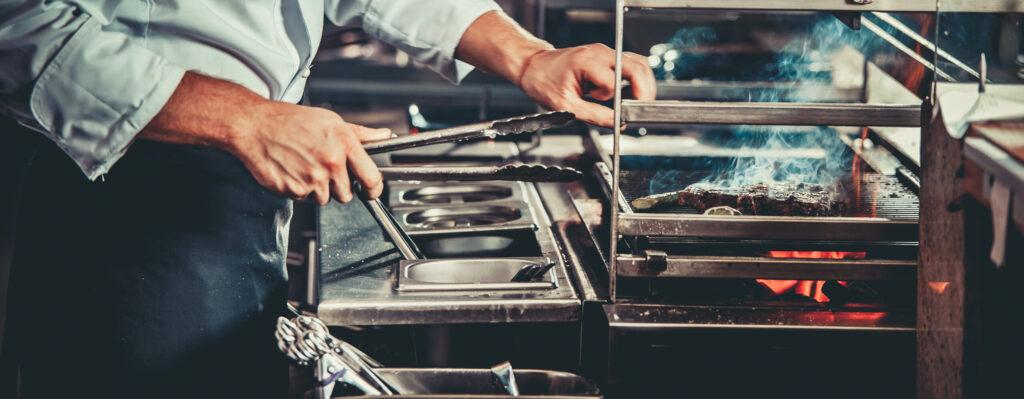
Most commercial kitchen fire incidents can be traced to identifiable risk factors.
Common Fire Risk Sources
These may include:
- Cooking appliances
- Grease accumulation
- Ventilation systems
- Electrical faults
- Improper maintenance
- Human error
Understanding these risks helps restaurant owners implement more effective preventive measures.
Why Fire Safety Should Be Integrated Into Kitchen Design
One of the biggest mistakes restaurant owners make is treating fire safety as an issue that can be addressed after construction.
In reality, fire safety begins during the planning phase.
Commercial Kitchen Design and Fire Prevention
Professional commercial kitchen design helps support:
- Safe equipment placement
- Proper ventilation
- Efficient workflows
- Emergency access
- Maintenance accessibility
A properly designed kitchen can significantly reduce operational risks.
Planning Before Installation
Restaurants that address fire safety during design and planning often experience smoother approval processes and fewer operational challenges later.
This is one reason why many operators review both fire safety requirements and broader compliance topics such as the Dubai Municipality Food Safety Regulations Restaurant Guide during the early stages of project development.
Why Inspectors Pay Close Attention to Commercial Kitchens
Commercial kitchens present unique operational risks compared to many other business environments.
As a result, inspections often focus heavily on kitchen-specific systems.
Inspectors are generally interested in evaluating whether:
- Fire risks are properly controlled
- Safety systems are functional
- Maintenance practices are effective
- Emergency procedures are supported
The objective is ensuring that kitchens operate safely on a continuous basis.
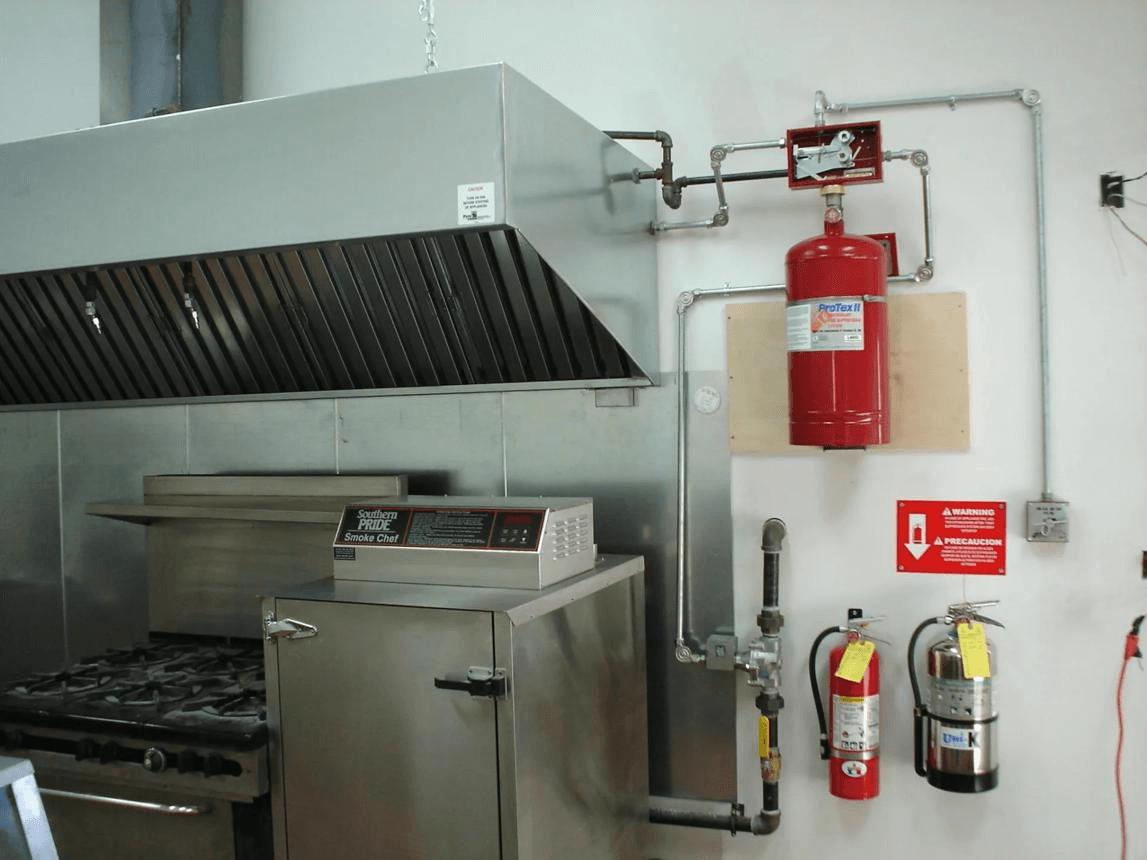
The Role of Fire Suppression Systems in Commercial Kitchens
Fire suppression systems represent one of the most important safety components within restaurant kitchens.
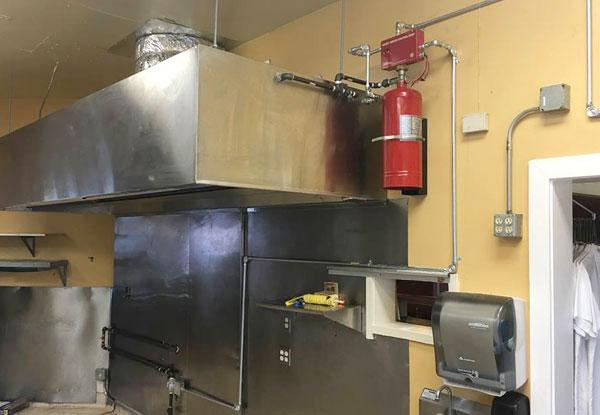
These systems are designed to help control kitchen-related fire incidents quickly and effectively.
Why Suppression Systems Matter
Commercial kitchens contain hazards that cannot always be managed through conventional fire protection methods alone.
Cooking operations require specialized protection strategies.
Benefits of Properly Maintained Systems
Well-maintained suppression systems help support:
- Faster response
- Improved safety
- Reduced damage potential
- Greater operational confidence
Regular inspection and maintenance remain essential.
Understanding Kitchen Exhaust Hood Safety
Ventilation systems play a central role in commercial kitchen fire safety.
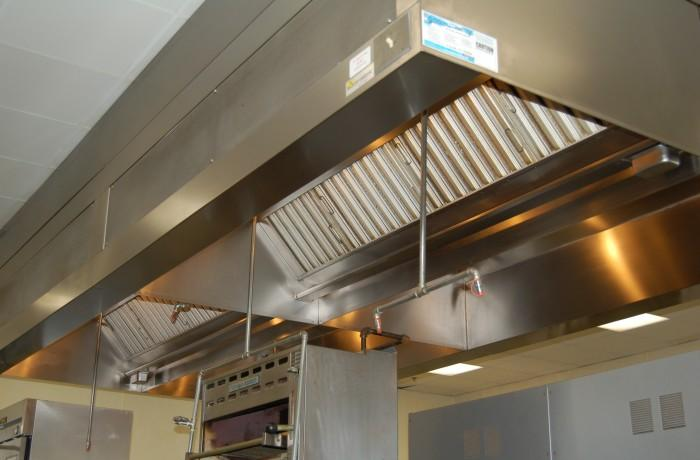
Exhaust hoods help manage:
- Heat
- Smoke
- Vapours
- Grease particles
Without effective ventilation management, fire risks can increase significantly.
Why Exhaust Systems Require Attention
Grease accumulation within ventilation systems can become a serious hazard if not properly managed.
This is why cleaning, inspection, and maintenance procedures are critical components of fire prevention programs.
Fire Safety and Maintenance Go Together
Businesses that implement structured maintenance programs are often better positioned to maintain safe operating conditions.
Why Maintenance Is One of the Most Overlooked Fire Safety Requirements
Many restaurant owners focus heavily on installation but underestimate ongoing maintenance.
However, fire safety depends on more than equipment selection.
It depends on long-term operational performance.
Areas Requiring Ongoing Attention
These may include:
- Ventilation systems
- Fire suppression systems
- Cooking equipment
- Electrical systems
- Emergency equipment
Preventive maintenance helps ensure that critical systems remain functional when needed.
Fire Safety and Commercial Kitchen Equipment Selection
Equipment decisions directly influence safety performance.
Not all equipment configurations provide the same operational advantages.
Equipment Selection Should Consider
- Operational requirements
- Safety objectives
- Maintenance accessibility
- Workflow efficiency
- Future scalability
Restaurants should evaluate equipment as part of a broader safety strategy rather than focusing solely on operational capacity.
Why Kitchen Workflow Design Influences Fire Risk
Workflow planning affects much more than productivity.
Poorly organized kitchens can create operational challenges that increase safety risks.
Common Workflow Problems
These may include:
- Congested work areas
- Restricted movement
- Equipment crowding
- Poor access routes
These conditions can complicate emergency response efforts.
Strategic Planning Improves Safety
A well-organized kitchen supports:
- Better staff movement
- Improved supervision
- Reduced operational conflicts
- Safer daily operations
The Relationship Between Fire Safety and HACCP Systems
Fire safety and food safety are often managed separately.
However, both depend on operational discipline and preventive planning.
Businesses implementing strong food safety systems may also benefit from reviewing the HACCP Certification UAE Restaurant Guide to strengthen overall operational control.
Shared Principles
Both systems emphasize:
- Prevention
- Monitoring
- Documentation
- Staff awareness
- Continuous improvement
These principles contribute to safer and more reliable operations.
How Al Razana Kitchen Equipment Supports Fire-Safe Commercial Kitchens
Fire safety should be integrated into every stage of kitchen development.
Al Razana Kitchen Equipment helps hospitality businesses create commercial kitchens designed around compliance, operational efficiency, and long-term safety.
Commercial Kitchen Design
Developing layouts that support safe and efficient operations.
Kitchen Planning & Consultancy
Aligning safety objectives with operational requirements.
Commercial Equipment Supply
Providing commercial kitchen equipment suitable for professional hospitality environments.
Kitchen Equipment Installation
Ensuring proper implementation and operational readiness.
Stainless Steel Fabrication
Creating custom-built solutions designed around workflow efficiency.
Turnkey Commercial Kitchen Projects
Delivering complete project solutions from concept through execution.
Fire Exit Requirements and Emergency Access Planning
One of the most important areas inspectors evaluate is the ability of occupants to exit the premises safely during an emergency.
A restaurant may have excellent kitchen equipment and fire protection systems, but emergency evacuation remains a critical safety consideration.
Why Fire Exits Matter
Fire exits help support:
- Safe evacuation
- Faster emergency response
- Reduced risk to occupants
- Improved operational safety
Emergency routes should remain accessible at all times.
Common Fire Exit Issues
Inspectors frequently identify problems such as:
- Obstructed exit pathways
- Storage near emergency exits
- Restricted access routes
- Poor visibility
- Operational clutter
These issues can compromise safety and create compliance concerns.
Emergency Planning Should Be Operational
Fire exits should not only be compliant on inspection day.
They should remain functional throughout daily operations.
Why Staff Training Is a Critical Fire Safety Requirement
Even the most advanced fire protection systems depend on people.
Employees play a central role in maintaining safe operations and responding appropriately during emergencies.
Staff Should Understand
- Emergency procedures
- Evacuation routes
- Reporting processes
- Equipment awareness
- Fire prevention practices
Training helps transform safety policies into practical operational behavior.
Building a Safety-Oriented Culture
Restaurants that promote ongoing safety awareness often achieve stronger compliance outcomes and improved operational consistency.
Fire Safety Inspection Preparation for Restaurants
Many new restaurant owners become anxious when preparing for inspections.
However, successful inspections usually result from strong daily practices rather than last-minute preparation.
Inspection Readiness Begins Before Opening
Preparation should start during:
- Kitchen planning
- Equipment selection
- Facility design
- Installation processes
- Staff onboarding
The earlier safety considerations are integrated, the easier compliance becomes.
Ongoing Readiness Supports Business Stability
Businesses that maintain high standards throughout the year are generally better prepared for inspections at any time.
Common Fire Safety Violations Found in Restaurant Kitchens
Many inspection findings are linked to recurring operational issues.
Understanding these common problems can help restaurant owners reduce risk.
Poor Ventilation Maintenance
Ventilation systems require ongoing attention to remain safe and effective.
Equipment Positioned Incorrectly
Improper placement can create operational and safety concerns.
Blocked Emergency Exits
Emergency pathways should remain clear and accessible.
Insufficient Maintenance Programs
Critical systems must be inspected and maintained regularly.
Weak Documentation Practices
Maintenance records, inspections, and operational procedures should be properly documented.
Ignoring Kitchen Layout Efficiency
Poorly designed kitchens often create unnecessary safety challenges.
Avoiding these issues helps strengthen compliance and operational performance.
The Importance of an Annual Fire Safety Review
Fire safety should not be viewed as a one-time project completed during restaurant setup.
As operations evolve, safety systems require ongoing evaluation.
Why Annual Reviews Matter
Regular reviews help identify:
- Operational changes
- Maintenance needs
- Equipment upgrades
- Workflow adjustments
- Training requirements
Continuous improvement helps ensure that safety systems remain effective.
Fire Safety Evolves With the Business
As restaurants expand, modify menus, increase production capacity, or introduce new equipment, safety requirements may also change.
Periodic reviews help ensure alignment between operations and safety objectives.
A Practical Restaurant Fire Safety Checklist
Restaurant owners can strengthen fire safety by regularly reviewing key operational areas.
Facility Planning
- Kitchen layout efficiency
- Emergency access routes
- Equipment positioning
- Ventilation effectiveness
Equipment Management
- Equipment condition
- Maintenance scheduling
- Operational performance
- Accessibility for servicing
Ventilation Systems
- Hood inspections
- Grease management
- Cleaning schedules
- Airflow performance
Emergency Preparedness
- Staff awareness
- Evacuation procedures
- Emergency communication
- Access route management
Documentation
- Maintenance records
- Inspection reports
- Training documentation
- Operational procedures
Regular reviews help support long-term compliance.
Why Commercial Kitchen Design Is the Foundation of Fire Safety
Many restaurant owners think of fire safety as an equipment issue.
In reality, safety begins with design.
A well-designed kitchen naturally supports:
- Safer workflows
- Better equipment spacing
- Improved ventilation performance
- Easier maintenance access
- Reduced operational risks
This is why professional planning should occur before procurement and installation.
Safety and Efficiency Go Hand in Hand
The best commercial kitchens are designed to be both productive and safe.
When workflows are optimized, many operational risks are reduced automatically.
Why Turnkey Commercial Kitchen Projects Improve Compliance
Coordinating multiple contractors, suppliers, consultants, and installers can create inconsistencies during restaurant development.
Turnkey project delivery helps reduce these challenges.
Benefits of Turnkey Commercial Kitchen Solutions
Integrated project delivery provides:
- Commercial kitchen design
- Operational planning
- Equipment supply
- Installation management
- Stainless steel fabrication
- Technical consultancy
- Ongoing support
This coordinated approach helps ensure that safety considerations are integrated throughout the project lifecycle.
Why Restaurant Owners Choose Al Razana Kitchen Equipment
Restaurant owners across the UAE increasingly recognize that compliance, efficiency, and safety begin with proper planning.
Al Razana Kitchen Equipment provides complete commercial kitchen solutions designed to support these objectives.
Commercial Kitchen Design
Creating kitchens optimized for safety, productivity, and future growth.
Kitchen Planning & Consultancy
Helping businesses align operational requirements with regulatory expectations.
Commercial Equipment Supply
Providing professional commercial kitchen equipment and foodservice equipment tailored to hospitality environments.
Kitchen Equipment Installation
Supporting proper implementation and operational readiness.
Stainless Steel Fabrication
Developing custom-built solutions designed around workflow efficiency and operational safety.
Maintenance & Technical Support
Helping businesses maintain long-term operational performance.
Turnkey Commercial Kitchen Projects
Delivering complete solutions from concept development to final execution.
This comprehensive approach helps businesses create commercial kitchens designed for compliance, safety, and sustainable growth.
Fire Safety as a Business Protection Strategy
Many restaurant owners initially view fire safety as a regulatory requirement.
However, the most successful operators understand that safety is also a business protection strategy.
Strong fire safety programs help protect:
- Employees
- Customers
- Assets
- Equipment
- Operations
- Brand reputation
These benefits extend far beyond compliance.
Safety Supports Business Continuity
Businesses that invest in preventive measures are often better positioned to avoid costly disruptions and operational challenges.
The Future of Restaurant Fire Safety in the UAE
As the UAE hospitality sector continues to grow, safety expectations will continue to evolve.
Restaurants that prioritize:
- Professional kitchen design
- Operational planning
- Equipment quality
- Maintenance programs
- Staff awareness
- Compliance management
will be better positioned for long-term success.
Safety is no longer simply about inspections.
It is about creating resilient, reliable, and sustainable hospitality operations.
Conclusion
Understanding fire safety UAE restaurant kitchen requirements is essential for every restaurant owner, café operator, cloud kitchen entrepreneur, and hospitality business operating in the UAE.
Fire safety extends far beyond emergency equipment.
It involves kitchen design, equipment selection, ventilation management, maintenance programs, emergency planning, staff training, and ongoing operational discipline.
Businesses that integrate safety into their daily operations are often better positioned to protect people, maintain compliance, strengthen customer confidence, and support long-term growth.
As a trusted provider of complete commercial kitchen solutions, Al Razana Kitchen Equipment helps restaurants, cafés, hotels, cloud kitchens, and hospitality businesses across the UAE create safe, efficient, and compliant commercial kitchens through design, planning, equipment supply, installation, fabrication, maintenance, consultancy, and turnkey project delivery.
By investing in the right operational foundation, restaurant owners can transform fire safety from a regulatory obligation into a long-term business advantage.
Frequently Asked Questions
Why is fire safety important in restaurant kitchens?
Restaurant kitchens contain high-temperature equipment, cooking oils, ventilation systems, and other operational factors that require structured fire prevention measures.
What areas do inspectors commonly evaluate?
Inspectors often assess kitchen layouts, ventilation systems, emergency access, equipment condition, maintenance practices, staff awareness, and overall safety management.
Why is commercial kitchen design important for fire safety?
A properly designed kitchen supports safer workflows, better ventilation performance, improved equipment spacing, and easier maintenance access.
How do ventilation systems affect fire safety?
Ventilation systems help manage heat, smoke, and grease. Proper maintenance is essential for reducing fire risks.
Why should restaurants conduct regular fire safety reviews?
Regular reviews help identify operational changes, maintenance needs, equipment upgrades, and safety improvement opportunities.
How does staff training contribute to fire safety?
Employees play a critical role in prevention, emergency response, and maintaining safe operational practices.
What are common restaurant fire safety mistakes?
Common issues include blocked exits, poor maintenance, ineffective ventilation management, weak documentation, and poor kitchen layouts.
How do turnkey commercial kitchen projects support compliance?
Turnkey solutions integrate design, planning, equipment supply, installation, fabrication, and technical support into one coordinated process.
What services does Al Razana Kitchen Equipment provide?
Al Razana provides commercial kitchen design, consultancy, equipment supply, installation, stainless steel fabrication, maintenance support, and turnkey commercial kitchen solutions.
Why do restaurant owners work with Al Razana Kitchen Equipment?
Because Al Razana helps businesses create commercial kitchens designed for safety, compliance, efficiency, scalability, and long-term operational success across the UAE.
مقالات أخرى
Cold Storage Temperature Requirements UAE Legal: Standards Every Food Business Must Understand
Food Waste Regulations UAE Restaurants: What Must Be Done to Stay Compliant