
How to Open a Supermarket in Dubai (Open Supermarket Dubai License Explained)
23 أبريل 2026
Dubai is one of the most dynamic retail markets in the world — a city where millions of residents, tourists, and professionals create an insatiable demand for everyday essentials. If you have ever dreamed of owning a thriving grocery business in the UAE, now is one of the best times to act. But before you stock your first shelf or negotiate with a single supplier, there is one foundational step you cannot afford to skip: obtaining your open supermarket Dubai license. This document — or more precisely, this set of approvals — is what legally empowers you to operate, purchase inventory, hire staff, and serve customers. Without it, your supermarket simply does not exist in the eyes of the law.
The challenge is that licensing a supermarket in Dubai is not a single-step process. It involves multiple government departments, specific commercial licence category requirements, health inspections, cold storage requirements, municipal health approval, and strict fit-out standards. For first-time investors, this complexity can feel overwhelming. This guide breaks it all down — step by step, section by section — so you can move forward with clarity and confidence.
What Is an Open Supermarket Dubai License and Why Does It Matter?
Open supermarket Dubai license refers to the collective set of legal permits and approvals required to legally establish and operate a retail grocery or supermarket business in Dubai. Unlike a simple trade licence for a consultancy or import business, a supermarket licence touches on public health, food safety, building compliance, and commercial law simultaneously.
The importance of getting this right cannot be overstated. Operating without proper approvals can lead to immediate closure, substantial fines, and even a permanent ban from operating in the sector. More importantly, a properly licensed supermarket builds customer trust, attracts quality suppliers, and qualifies for premium retail locations in Dubai’s competitive real estate market.
Who Regulates Supermarkets in Dubai?
Several government bodies play a role in licensing and regulating supermarkets in Dubai:
• Dubai Economy and Tourism (DET): Issues the main commercial trade licence.
• Dubai Municipality (DM): Oversees food safety, health inspections, and fit-out approval.
• Civil Defence: Approves fire safety measures and emergency systems.
• DEWA (Dubai Electricity and Water Authority): Provides utilities connection essential for cold storage and lighting.
• Free Zone Authorities (if applicable): For example, JAFZA or DMCC if your business is based in a free zone.
Choosing the Right Commercial Licence Category for Your Supermarket
Before you apply for anything, you need to understand the commercial licence category that applies to your supermarket. Dubai Economy and Tourism classifies retail food businesses under specific activity codes that determine the scope of what you are legally permitted to sell.
Main Commercial Licence Categories for Grocery Retail
The most relevant licence categories include:
• Grocery Store (Baqala): For smaller neighbourhood convenience stores selling packaged foods, beverages, and basic daily necessities.
• Supermarket: A larger retail format with fresh produce, meat, dairy, bakery items, and household goods.
• Hypermarket: A full-scale retail operation combining supermarket and general merchandise.
• Specialty Food Store: For shops focused on specific categories such as organic produce, halal meats, or imported gourmet items.
Choosing the wrong commercial licence category can limit your product range or create compliance issues during inspections. It is strongly recommended to consult with a business setup expert or the DET directly to confirm the exact activity code for your planned operations before submitting any application.
➡️ read more : How to Open a Restaurant in Dubai: The Complete 2026 Step-by-Step Guide
Free Zone vs. Mainland Licence: Which Is Better for a Supermarket?
| Factor | Mainland Licence | Free Zone Licence |
| Customer Base | Can sell directly to UAE public | Typically limited to free zone area |
| Ownership | May require local sponsor (varies) | 100% foreign ownership |
| Location | Any commercial area in Dubai | Restricted to free zone premises |
| Cost | Moderate setup cost | Often higher setup cost |
| Ideal For | Neighbourhood/community supermarkets | Specialty B2B food distribution |
For most community or neighbourhood supermarkets targeting everyday consumers, a mainland commercial licence under DET is the most appropriate choice.
Step-by-Step Process to Get Your Open Supermarket Dubai License
Getting your open supermarket Dubai license involves a sequence of clearly defined steps. Skipping any of these or completing them out of order can cause costly delays. Here is a complete step-by-step breakdown:
Step 1: Define Your Business Activity and Legal Structure
Before registering anything, decide on your legal structure. Options for supermarkets in Dubai include:
1. Sole Establishment: Owned by a single UAE national or expatriate (with specific conditions).
2. Limited Liability Company (LLC): The most common structure for expat-owned businesses, typically with a local sponsor.
3. Branch of Foreign Company: For international chains entering the Dubai market.
4. Free Zone Company: If operating within a specific free zone territory.
Step 2: Reserve Your Trade Name
Submit your preferred trade name to Dubai Economy and Tourism for approval. The name must not conflict with existing registered businesses, must not include offensive or prohibited terms, and should ideally reflect your brand identity. This step is done online through the DET portal.
Step 3: Select and Secure Your Location
Location selection is critical — not just for commercial reasons, but because the premises must meet fit-out standards and municipal health approval criteria from the start. Key location considerations include:
• Zoning classification must permit retail food trade
• Minimum floor area requirements (typically 50–200 sqm for a supermarket, more for hypermarkets)
• Access to adequate utilities including DEWA connections for refrigeration
• Proximity to residential areas or footfall generators
• Parking availability per Dubai Municipality requirements
Step 4: Design and Fit-Out Your Supermarket to Dubai Municipality Standards
This is one of the most detailed and often underestimated stages of the process. Fit-out standards for supermarkets in Dubai are governed by Dubai Municipality’s food establishment guidelines, which set requirements for:
• Flooring: Non-slip, easy to clean, seamless finish — no cracks or absorbent materials.
• Walls and Ceilings: Smooth, washable surfaces to prevent bacterial build-up.
• Lighting: Adequate lux levels in all areas, with sealed fixtures in food preparation zones.
• Drainage: Proper draining in wet areas including fresh produce and butchery sections.
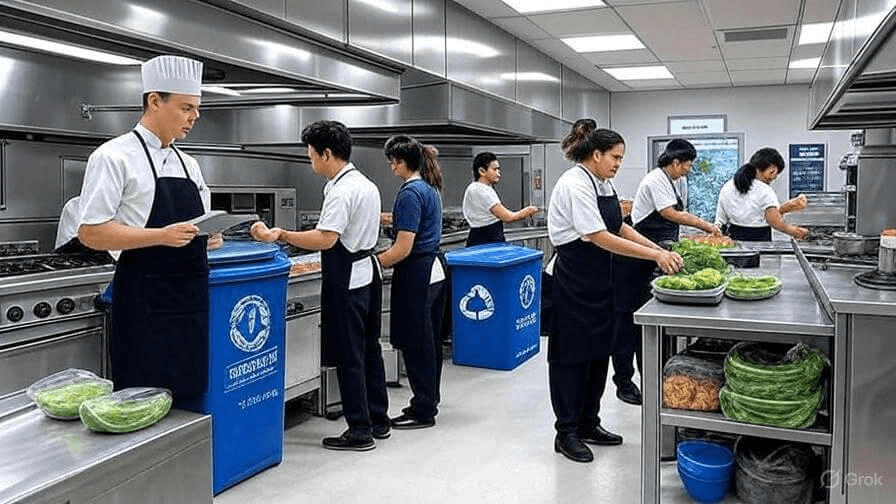
• Waste Management: Dedicated waste disposal areas, closed bin systems, and pest control protocols.
• Staff Facilities: Separate staff changing rooms, handwashing stations, and toilets.
Your fit-out drawings and layouts must be approved by Dubai Municipality before construction begins. Hiring an architect experienced in food retail fit-outs in the UAE is highly recommended to avoid rejection of plans.
Step 5: Apply for Initial Approval
With your trade name, legal structure, and location confirmed, you can apply for Initial Approval from Dubai Economy and Tourism. This is essentially a No Objection Certificate (NOC) that allows you to proceed with the fit-out and other approvals while your main licence application is being processed. The open supermarket Dubai license journey really begins here.
Step 6: Obtain Municipal Health Approval
Dubai Municipality’s Food Safety Department is responsible for issuing municipal health approval for all food-handling establishments including supermarkets. To obtain this approval, you must:
5. Submit completed fit-out plans and construction drawings
6. Pass a pre-opening inspection by Dubai Municipality health inspectors
7. Demonstrate compliance with all food safety infrastructure requirements
8. Register all food handlers for Dubai Municipality Food Safety Training and obtain Food Handler Cards
9. Implement and document a Hazard Analysis Critical Control Points (HACCP) plan
The municipal health approval is not a formality — inspectors will physically visit your premises and check every area. Any non-compliance will delay your opening. This is why getting the fit-out right the first time is so important.
Step 7: Meet Cold Storage Requirements
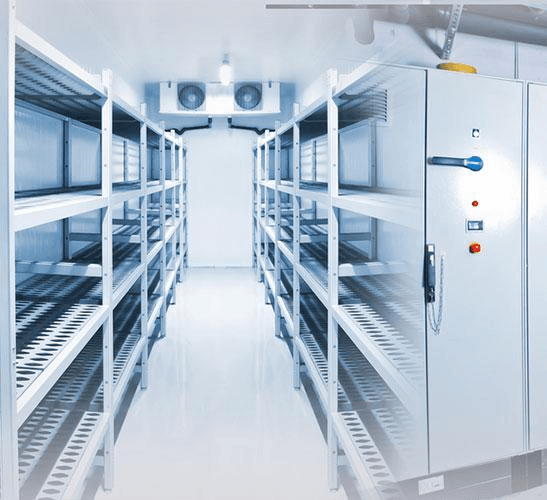
A supermarket selling fresh food, dairy, meat, or frozen goods must meet detailed cold storage requirements as mandated by Dubai Municipality. These are among the most technically complex requirements in the entire licensing process.
Cold Storage Requirements for Dubai Supermarkets
• Temperature Zones: Different products require different storage temperatures. Fresh produce (4–7°C), dairy (1–4°C), fresh meat (0–4°C), and frozen goods (-18°C or below.
• Temperature Monitoring: Continuous digital monitoring systems with alarm functions are required for all cold storage units.
• Display Case Standards: Open refrigerated display cases must maintain consistent temperatures even with customer interaction.
• Cold Chain Documentation: You must maintain records of receiving temperatures for all cold-chain products.
• Separation of Products: Raw meats, ready-to-eat foods, and allergen-containing products must be stored separately.
Meeting cold storage requirements requires investing in professional-grade refrigeration equipment. This is not an area to cut costs — equipment failure can result in product spoilage, failed inspections, and customer health risks.
👉Shop Commercial Refrigerators & Reach-In Refrigerators for Your Supermarket
👉Explore Supermarket Equipment at Al Razana
👉Browse Reach-In Freezers for Cold Storage Compliance
Step 8: Civil Defence Approval
Dubai Civil Defence must inspect your supermarket and approve fire safety measures before you open. Requirements include:
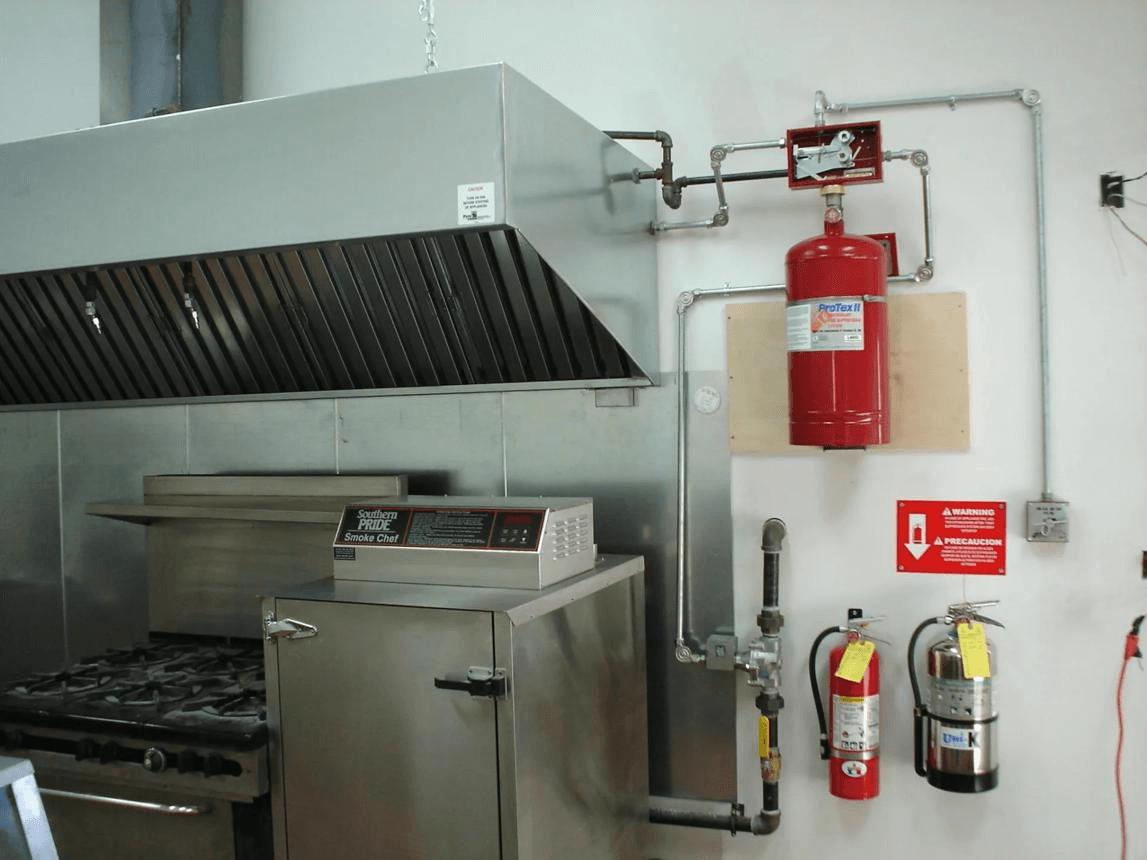
• Fire suppression systems (sprinklers) installed throughout
• Emergency exit signage and lighting
• Fire extinguishers at designated points
• Fire alarm systems connected to the Civil Defence network
• Staff trained in basic fire safety
Step 9: Issue the Final Trade Licence
Once all approvals are in hand — DET initial approval, municipal health approval, Civil Defence clearance, and DEWA connection — you can submit for the final trade licence through Dubai Economy and Tourism. The licence will specify your approved business activities, the permitted address of operations, and the validity period (usually one year, renewable annually).
Congratulations — at this point, you officially hold your open supermarket Dubai license and can legally begin operations.
Supplier Contracts: How to Stock Your Supermarket Legally and Profitably
Having your licence does not automatically mean you can source products from any supplier. Supplier contracts in the UAE retail sector are regulated to ensure food safety traceability and legal accountability. Here is what you need to know:
Types of Suppliers for Dubai Supermarkets
• Registered Wholesale Distributors: Must be licensed by Dubai Municipality and DET. Always verify supplier registration before signing any agreement.
• Direct Brand Importers: Many international food brands have exclusive distribution agreements in the UAE. Understand these exclusivity clauses carefully.
• Local Producers: UAE-grown produce and dairy can be sourced directly, but the producer must hold the appropriate food production licence.
• Free Zone Distributors: Dubai operates several food logistics free zones where many importers are based. Contracts with these suppliers require clear delivery and duty terms.
What Your Supplier Contracts Must Include
Strong supplier contracts are your legal protection in case of product recalls, quality disputes, or delivery failures. Every contract should clearly specify:
• Product specifications including shelf life, labelling language requirements (Arabic mandatory), and halal certification
• Delivery schedules and temperature conditions during transport
• Payment terms and credit periods
• Return and recall procedures
• Liability clauses in case of food safety incidents
Dubai Municipality requires that all food suppliers to licensed establishments be traceable. If there is a food safety incident in your supermarket, inspectors will demand immediate access to your supplier contracts and delivery records. Maintaining organized documentation from day one is essential.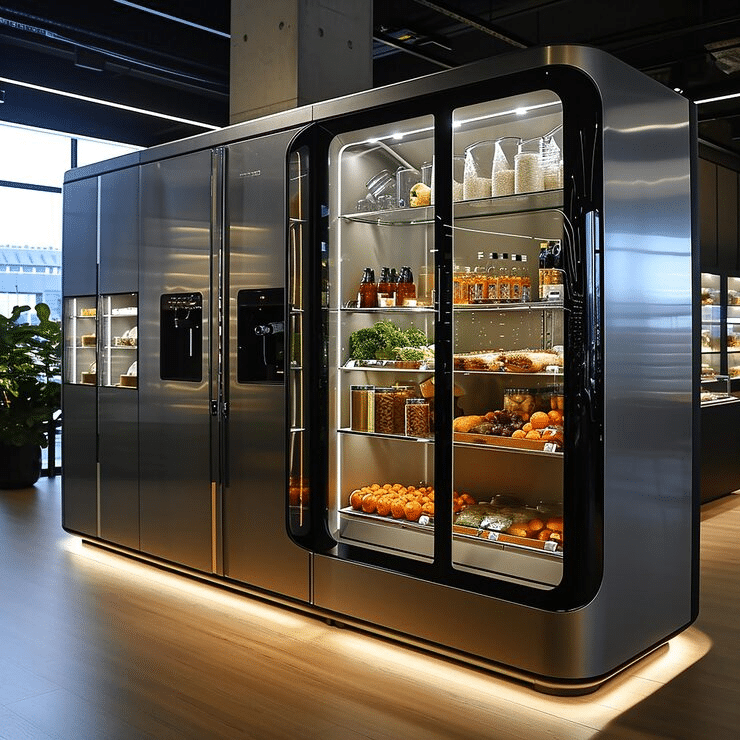
Costs Involved in Getting Your Open Supermarket Dubai License
One of the most practical questions any prospective supermarket owner asks is: how much will this cost? While exact figures vary based on location, size, and business structure, the table below gives a realistic overview of the main cost categories when obtaining your open supermarket Dubai license:
| Cost Item | Estimated Range (AED) |
| DET Trade Licence Fee | 10,000 – 25,000 |
| Initial Approval Fee | 1,000 – 3,000 |
| Dubai Municipality Inspection & Approval | 2,000 – 5,000 |
| Civil Defence Approval | 1,500 – 4,000 |
| Fit-Out Construction (per sqm) | 800 – 2,500 |
| Refrigeration Equipment | 50,000 – 300,000+ |
| HACCP Consultancy & Implementation | 5,000 – 15,000 |
| Staff Food Handler Training & Cards | 300 – 600 per person |
| Legal & Business Setup Consultancy | 5,000 – 20,000 |
These are estimates only. Total investment for a mid-size supermarket in Dubai typically ranges from AED 300,000 to AED 1.5 million or more, depending on the scale and quality of fit-out and equipment.
👉Explore All Restaurant & Commercial Kitchen Equipment
👉Shop Stainless Steel Equipment for Your Supermarket
Open Supermarket Dubai License: Renewal and Ongoing Compliance
Getting your open supermarket Dubai license is not a one-time task. Licences must be renewed annually and ongoing compliance with Dubai Municipality’s food safety standards is mandatory year-round.
Annual Renewal Requirements
• Renew the DET trade licence before expiry (late renewal incurs fines)
• Pass the annual Dubai Municipality health inspection
• Renew Food Handler Cards for all staff
• Update HACCP documentation and pest control logs
• Maintain valid tenancy contract for your premises
Routine Inspections You Must Be Ready For
Dubai Municipality conducts both scheduled and unannounced inspections of food establishments. During inspections, the following will be checked:
• Temperature Records: Cold storage logs must be complete and within compliance ranges.
• Food Labelling: All products must be properly labelled in Arabic and English with expiry dates visible.
• Staff Hygiene: Staff uniforms, handwashing practices, and food handler card validity.
• Pest Control: Valid pest control contracts and rodent/insect prevention evidence.
• Storage Practices: Correct separation of raw and cooked foods, proper FIFO rotation.
Failing an inspection can result in fines, forced closure, or revocation of your food establishment permit. Building a culture of food safety from day one protects your business and your customers.
👉Shop Ice Equipment & Ice Makers for Supermarket Freshness
👉Explore Work Top Chillers for Supermarket Compliance
Practical Tips to Open Your Supermarket in Dubai Faster
Speed matters in business. Every month your open supermarket Dubai license is delayed is a month of lost revenue. Here are proven strategies to accelerate your launch:
10. Hire a licensed business setup consultant familiar with DET and Dubai Municipality processes — they can anticipate problems before they occur.
11. Select a fit-out contractor who has completed approved supermarket projects in Dubai — they will know the Municipality requirements by heart.
12. Pre-order your cold storage and refrigeration equipment before your fit-out is complete so installation can happen the moment construction ends.
13. Register for Food Handler Training early — courses fill up and delays in getting staff cards can push back your inspection date.
14. Establish preliminary supplier contracts during the fit-out phase so inventory can be ordered and delivered immediately after opening inspection.
15. Use the DubaiNow app and the Dubai Municipality portal for digital submission of applications to avoid unnecessary queues.
Equipment Essentials for a UAE-Compliant Supermarket
Equipping your supermarket correctly is inseparable from getting and maintaining your open supermarket Dubai license. The wrong equipment will fail inspections; the right equipment keeps you compliant and efficient for years. Here are the key equipment categories every new supermarket in Dubai must invest in:
Refrigeration and Cold Storage
This is the most critical equipment investment for meeting cold storage requirements. You will need:
• Walk-in cold rooms for bulk storage of fresh produce, dairy, and meats
• Open display refrigerators and reach-in refrigerators for self-service aisles
• Separate freezers and display units for frozen goods
• Undercounter refrigerators and chillers for checkout and bakery areas
👉Shop Undercounter Refrigerators
👉Browse All Refrigeration Equipment
Food Preparation and Butchery
If your supermarket includes a deli, butchery, or bakery section:
• Commercial meat slicers and food slicers for deli counters
• Butchery equipment including band saws and meat grinders
• Food preparation equipment for bakery and hot food sections
👉Shop Food Slicers for Supermarket Deli Counters
👉Browse Food Preparation Equipment
Bakery and Hot Food Equipment
Many modern Dubai supermarkets include in-store bakeries:
👉Shop Commercial Ovens for In-Store Bakery
Dishwashing and Hygiene Equipment
Fit-out standards require proper warewashing facilities in food preparation areas:
👉Browse Undercounter Dishwashers
Stainless Steel Fabrication
Fit-out standards require stainless steel in many areas of a supermarket:
👉Explore Stainless Steel Fabrication Services
👉Shop Stainless Steel Equipment
Frequently Asked Questions About Opening a Supermarket in Dubai
1. What is the minimum investment to open a supermarket in Dubai?
The minimum realistic investment for a small to mid-size supermarket in Dubai ranges from AED 300,000 to AED 800,000. This includes trade licence fees, fit-out construction, refrigeration equipment, initial inventory, and regulatory approvals. Larger supermarkets can cost AED 1.5 million or more.
2. Can a foreigner own 100% of a supermarket in Dubai?
As of recent UAE commercial law reforms, foreigners can own 100% of certain onshore companies in Dubai without requiring a local sponsor for many commercial activities. However, this depends on the specific activity code and emirate. It is advisable to confirm the current rules with a business setup consultant or the DET directly.
3. How long does it take to get an open supermarket Dubai license?
The total process from initial trade name registration to receiving your final operating licence typically takes 3 to 6 months for a new supermarket, depending on the complexity of your fit-out, the speed of inspections, and how quickly you can gather required documents. Working with an experienced business setup consultant can compress this timeline significantly.
4. What food safety certificate is required to open a supermarket in Dubai?
Dubai Municipality requires all food establishments, including supermarkets, to have a valid Food Establishment Permit issued after passing a health inspection. All food handlers must hold valid Food Handler Cards. Senior management is also encouraged to obtain the Food Safety Supervisor qualification from Dubai Municipality.
5. What are the cold storage requirements for a supermarket in Dubai?
Cold storage requirements for Dubai supermarkets include maintaining specific temperatures for different product categories: fresh produce (4–7°C), dairy (1–4°C), fresh meat (0–4°C), and frozen goods (-18°C or lower). Continuous digital temperature monitoring with alarms is mandatory. Cold chain records must be kept for all incoming deliveries.
6. Do I need a separate licence to add a bakery or butchery section to my supermarket?
Yes. If your supermarket includes a dedicated on-site bakery, butchery, or hot food preparation area, these may require additional activity approvals or sub-licences from Dubai Municipality. The fit-out requirements for these sections are also more stringent than standard retail areas.
7. How do I find approved suppliers for my supermarket in Dubai?
You can source suppliers through Dubai’s food wholesale markets, free zone distributors, and registered local producers. Always verify that your supplier contracts are with licensed entities and request their Dubai Municipality registration certificates. Membership in the Dubai Chamber of Commerce can also help with networking and supplier vetting.
8. What are the labelling requirements for products in Dubai supermarkets?
All food products sold in Dubai must be labelled in Arabic (or both Arabic and English). Labels must include the product name, ingredients list, allergen information, net weight or volume, country of origin, manufacturer details, and expiry/best-before date. Products not meeting these requirements can be confiscated by Dubai Municipality inspectors.
9. Is it mandatory to have a HACCP plan for a supermarket in Dubai?
Yes, implementing a Hazard Analysis Critical Control Points (HACCP) plan is mandatory for all food establishments in Dubai, including supermarkets. The plan must be documented, regularly reviewed, and made available to inspectors upon request.
10. What is the difference between a supermarket licence and a grocery store (baqala) licence?
The key difference lies in the commercial licence category and the permitted scope of operations. A baqala licence covers small neighbourhood convenience stores with limited product range. A supermarket licence permits a wider range of fresh, chilled, frozen, and packaged food products, often with dedicated sections for produce, meat, dairy, and bakery. Supermarkets also require higher fit-out and cold storage standards than baqalas.
11. Can I sell alcohol in my Dubai supermarket?
No. Selling alcohol in Dubai supermarkets is only permitted at specifically licensed outlets which are subject to entirely different licensing regulations controlled by the Dubai Tourism licensing authority. Standard supermarket licences do not cover alcohol retail.
12. What happens if I fail a Dubai Municipality inspection?
Failing a Dubai Municipality inspection can result in a formal warning, a financial penalty, a temporary closure order, or in serious cases, revocation of your food establishment permit. The severity depends on the nature of the violations found. Corrective action must be documented and re-inspection passed before operations can resume.
Conclusion: Your Path to a Licensed Supermarket in Dubai Starts Here
Opening a supermarket in one of the world’s most exciting retail markets is a genuinely rewarding opportunity — but only if it is done properly. From selecting the right commercial licence category to meeting every cold storage requirement, passing municipal health approval, achieving full fit-out standard compliance, and establishing strong supplier contracts, every step in the process demands attention, investment, and expertise.
The good news is that Dubai’s regulatory environment, while detailed, is transparent and well-organized. With the right guidance, the right partners, and the right equipment, you can obtain your open supermarket Dubai license and build a business that serves your community for decades to come.
If you found this guide valuable, please share it with fellow entrepreneurs exploring the UAE retail market. Have questions or want to share your own experience? Drop a comment below — we would love to hear from you.
Ready to equip your supermarket with professional-grade commercial kitchen and refrigeration equipment? Explore our full range below:
👉Shop All Supermarket Equipment