
HACCP Certification UAE Restaurant Guide: Step-by-Step Implementation for Restaurant Owners
10 يونيو 2026
Food safety has become one of the most important operational priorities for restaurants throughout the UAE.
Customers expect safe food.
Regulators expect compliance.
Business owners expect consistency.
Meeting all three expectations requires more than basic hygiene procedures.
This is where HACCP plays a critical role.
A properly implemented HACCP system helps restaurants identify potential food safety risks before they become problems. Rather than reacting to incidents, businesses establish structured controls that support prevention, consistency, and compliance.
For restaurant owners, HACCP is more than a food safety framework.
It is a business management tool that helps create safer operations, stronger customer confidence, improved staff accountability, and greater operational control.
The most successful restaurants do not view HACCP as a compliance burden.
They view it as a competitive advantage.
As a provider of complete commercial kitchen solutions, Al Razana Kitchen Equipment supports restaurants, cafés, hotels, cloud kitchens, and foodservice businesses across the UAE by helping create HACCP-ready commercial kitchens through design, planning, equipment supply, installation, fabrication, maintenance, consultancy, and turnkey project execution.
What Is HACCP and Why Does It Matter?
HACCP stands for Hazard Analysis and Critical Control Points.

It is a preventive food safety management system designed to identify, evaluate, and control potential food safety hazards before they affect customers.
Unlike traditional inspection-based approaches, HACCP focuses on prevention rather than correction.
Why Restaurants Use HACCP
A HACCP-based system helps restaurants:
- Improve food safety
- Reduce operational risks
- Standardize procedures
- Support regulatory compliance
- Strengthen customer trust
- Improve operational consistency
These benefits make HACCP an important component of modern foodservice operations.
Why HACCP Is Important for UAE Restaurants
The UAE hospitality industry operates in a highly competitive environment.

Restaurants must meet customer expectations while maintaining high food safety standards.
A structured food safety system helps businesses achieve both goals.
HACCP Supports Long-Term Business Success
Restaurants that implement HACCP effectively often benefit from:
- Improved operational control
- Reduced food safety risks
- Better staff accountability
- Enhanced customer confidence
- Stronger business reputation
Food safety and business performance are closely connected.
Understanding the Seven HACCP Principles
The HACCP framework is built around seven core principles.

These principles create the foundation of an effective food safety management system.
Principle One: Hazard Analysis
The first step involves identifying potential hazards that could affect food safety.
Hazards may include:
- Biological risks
- Chemical risks
- Physical contamination risks
Understanding these risks helps businesses establish appropriate controls.
Principle Two: Identify Critical Control Points
Critical Control Points (CCPs) are stages where controls can be applied to prevent, eliminate, or reduce food safety risks.
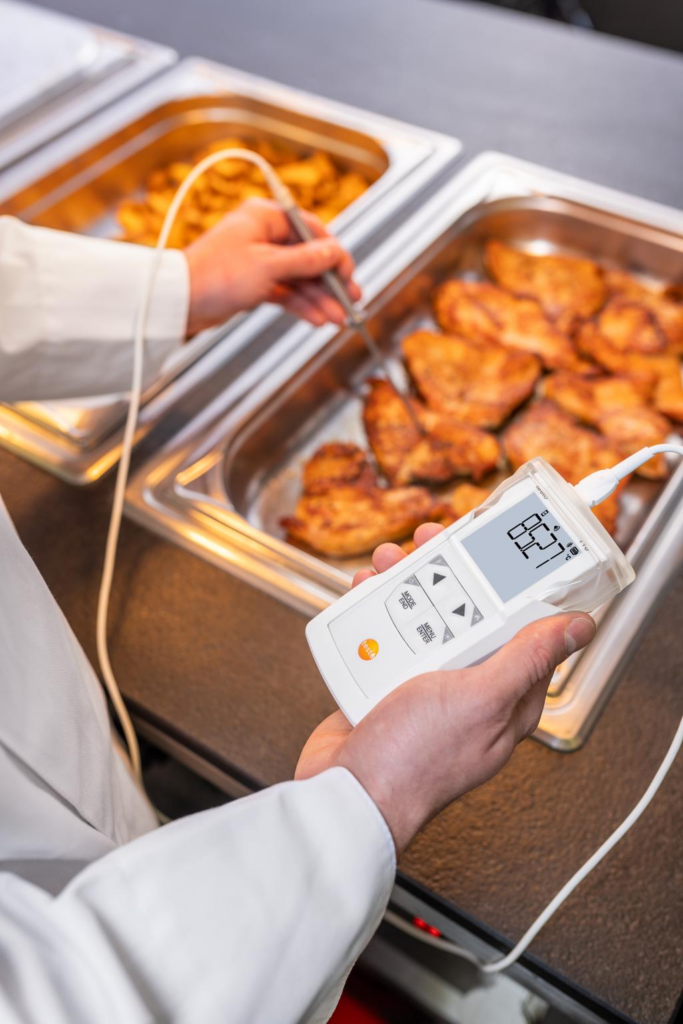
Examples may include:
- Cooking processes
- Cooling procedures
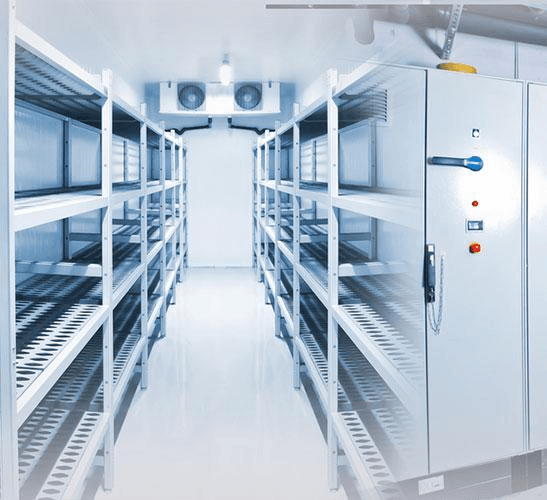
- Food storage
- Receiving deliveries
Identifying these points is essential for effective food safety management.
Principle Three: Establish Critical Limits
Each critical control point requires clearly defined limits.
These limits help determine whether food safety standards are being maintained.
Examples may include:
- Temperature requirements
- Time controls
- Storage conditions
Clear limits support consistency and accountability.
Principle Four: Monitoring Procedures
Monitoring ensures that critical limits are consistently maintained.
Effective monitoring helps businesses detect problems before they escalate.
Monitoring activities may include:
- Temperature checks
- Equipment inspections
- Food handling observations
- Documentation reviews
Principle Five: Corrective Actions
When monitoring identifies deviations, corrective actions help restore control.
Corrective procedures should be clearly documented and understood by staff.
This ensures consistency when issues occur.
Principle Six: Verification Procedures
Verification confirms that the HACCP system is functioning effectively.
Verification activities may include:
- Internal reviews
- Equipment calibration
- Process validation
- Food safety audits
Verification strengthens confidence in the system.
Principle Seven: Documentation and Record Keeping
Documentation supports accountability and traceability.
Records help demonstrate that food safety procedures are being followed consistently.
Well-maintained records also support inspections and audits.
Applying HACCP Principles to Restaurant Operations
Many restaurant owners understand HACCP conceptually but struggle with implementation.
The key is integrating food safety into daily operations.
Areas Commonly Covered by HACCP
Restaurants often evaluate:
- Receiving procedures
- Food storage
- Preparation activities
- Cooking processes
- Cooling procedures
- Holding practices
- Service operations
Every stage of food production should support food safety objectives.
Critical Control Points Examples in Restaurants
Critical control points vary depending on menu offerings and operational processes.
However, several areas commonly require special attention.
Receiving Deliveries
Food should be inspected before acceptance.
Refrigerated Storage
Temperature control is essential for product safety.
Cooking Processes
Proper cooking procedures help eliminate potential hazards.
Cooling Operations
Food must be cooled safely to prevent risk.
Hot Holding
Prepared foods must remain within appropriate holding conditions.
Service Procedures
Safe handling practices should continue through customer service.
Identifying and managing these points strengthens overall food safety performance.
Why Commercial Kitchen Design Supports HACCP Compliance
A HACCP system works best when supported by a properly designed facility.
Poor kitchen layouts often create challenges that increase food safety risks.
Common Design Problems
These may include:
- Workflow conflicts
- Limited storage space
- Cross-contamination risks
- Cleaning difficulties
- Inefficient staff movement
Addressing these issues through professional planning supports stronger compliance outcomes.
Commercial Kitchen Design UAE for HACCP-Focused Operations
Modern commercial kitchens should be designed around both productivity and food safety.
The most successful facilities integrate HACCP principles into the design process from the beginning.
Design Considerations Include
- Workflow separation
- Storage planning
- Cleaning accessibility
- Equipment placement
- Waste management
- Staff movement patterns
These factors help create safer and more efficient operations.
Why Al Razana Starts HACCP Projects With Operational Planning
At Al Razana Kitchen Equipment, compliance begins before equipment selection.
The first step is understanding operational requirements.
This includes:
- Menu analysis
- Production volumes
- Workflow planning
- Space utilization
- Food safety objectives
Once these requirements are understood, solutions can be developed that support both compliance and operational efficiency.
The Importance of Documentation in HACCP Systems
Documentation is often viewed as administrative work.
In reality, it is one of the most important components of HACCP implementation.
Documentation helps businesses:
- Track performance
- Demonstrate compliance
- Support accountability
- Identify trends
- Improve consistency
Strong documentation systems contribute directly to successful food safety programs.
Creating Effective HACCP Log Systems
Log systems help operators monitor critical activities consistently.
Examples may include:
- Temperature monitoring logs
- Cleaning schedules
- Equipment maintenance records
- Receiving inspections
- Corrective action reports
Consistent record keeping strengthens operational control.
Why Equipment Selection Influences HACCP Success
Food safety depends heavily on equipment performance.
Commercial kitchen equipment should support:
- Temperature control
- Easy cleaning
- Operational consistency
- Efficient workflows
- Food protection
Equipment that aligns with food safety objectives helps simplify compliance efforts.
How Al Razana Kitchen Equipment Supports HACCP Compliance
Al Razana Kitchen Equipment helps hospitality businesses create environments designed around food safety and operational excellence.
Commercial Kitchen Design
Developing layouts that support HACCP principles.
Kitchen Planning & Consultancy
Aligning food safety requirements with operational objectives.
Commercial Equipment Supply
Providing foodservice equipment suitable for HACCP-focused environments.
Kitchen Equipment Installation
Ensuring proper implementation from day one.
Stainless Steel Fabrication
Creating hygienic and efficient custom-built solutions.
Turnkey Commercial Kitchen Projects
Delivering complete project solutions that support compliance and performance.
Preparing for a HACCP Audit
One of the most important milestones in any HACCP implementation journey is the audit process.
Many restaurant owners become concerned when they hear the word audit.
However, businesses that have built food safety into their daily operations are often well prepared long before an auditor arrives.
A HACCP audit should not be viewed as an isolated event.
It should be viewed as a validation of the systems already operating within the business.
What Auditors Typically Evaluate
Audits generally focus on:
- Food safety procedures
- Documentation systems
- Operational consistency
- Staff awareness
- Monitoring activities
- Corrective action processes
- Facility conditions
The objective is to confirm that the HACCP system is functioning as intended.
Why Preparation Matters
Well-prepared businesses often experience:
- Smoother audit processes
- Greater staff confidence
- Reduced operational disruption
- Improved compliance outcomes
Preparation should begin long before any formal assessment takes place.
Third-Party Audit Selection: Choosing the Right Certification Partner
Not all certification bodies are identical.
Choosing an appropriate audit partner is an important decision for restaurant operators.
Factors to Consider
Businesses often evaluate:
- Industry experience
- Foodservice expertise
- Professional reputation
- Audit methodology
- Support services
- Long-term partnership potential
Selecting an experienced certification provider helps create a more effective certification journey.
Why Expertise Matters
Auditors familiar with foodservice operations are often better positioned to understand the practical realities of restaurant environments.
This can contribute to a more productive audit experience.
Internal Audits: The Secret Behind Successful HACCP Programs
One of the most effective ways to prepare for external assessments is conducting internal reviews.
Internal audits help identify potential issues before they become larger problems.
Benefits of Internal Reviews
Internal audits help businesses:
- Strengthen compliance
- Improve consistency
- Identify training needs
- Enhance accountability
- Support continuous improvement
The strongest HACCP systems are constantly evolving rather than remaining static.
Why Food Safety Documentation Is Essential
Many restaurant owners focus heavily on operational activities while underestimating documentation.
However, documentation forms the backbone of HACCP verification.
Documentation Demonstrates Compliance
Records help prove that procedures are being followed consistently.
Examples include:
- Temperature monitoring records
- Cleaning schedules
- Equipment maintenance logs
- Receiving inspections
- Staff training records
- Corrective action reports
Good documentation creates transparency and accountability.
Documentation Supports Business Improvement
Records do more than satisfy compliance requirements.
They also help businesses identify trends, improve processes, and strengthen operational performance.
HACCP Recertification and Continuous Improvement
HACCP implementation is not a one-time project.
Food safety systems require ongoing attention and improvement.
As businesses evolve, operational risks may change.
Why Continuous Improvement Matters
Restaurants frequently experience:
- Menu updates
- Equipment upgrades
- Staffing changes
- Process modifications
- Business expansion
Each change may influence food safety procedures.
Regular reviews help ensure that systems remain effective.
Building Long-Term Compliance
Successful businesses integrate HACCP into their culture rather than treating it as a periodic compliance exercise.
This approach supports long-term operational excellence.
Creating a Food Safety Culture Across the Restaurant
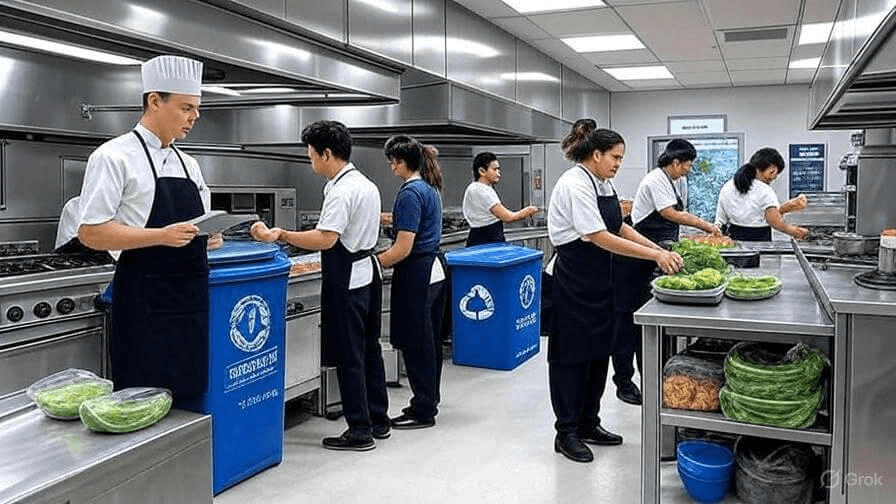
Food safety is strongest when every employee understands their role.
A HACCP program should never depend solely on management.
Characteristics of Strong Food Safety Cultures
Employees:
- Understand procedures
- Follow established protocols
- Report concerns quickly
- Participate in training
- Take ownership of food safety responsibilities
This collective commitment improves consistency throughout the operation.
Leadership Sets the Standard
Restaurant owners and managers play a critical role in establishing expectations.
When leadership prioritizes food safety, employees are more likely to do the same.
Common HACCP Implementation Mistakes
Many restaurants encounter challenges during HACCP implementation.
Understanding these common mistakes helps businesses avoid unnecessary setbacks.
Treating HACCP as a Documentation Exercise
HACCP is an operational system, not merely a collection of forms.
Documentation supports the system but does not replace it.
Ignoring Kitchen Workflow Challenges
Poor workflows often create food safety risks.
Operational planning should support compliance objectives.
Inadequate Staff Training
Employees must understand both procedures and the reasons behind them.
Failing to Review Procedures
Food safety systems should evolve alongside the business.
Choosing Equipment Without Considering Food Safety
Equipment should support hygiene, cleaning efficiency, and operational consistency.
Avoiding these mistakes strengthens long-term compliance.
Why Commercial Kitchen Design Plays a Major Role in HACCP Success
Many food safety issues originate from facility design rather than employee behavior.
Poor layouts can make compliance more difficult.
Common Design Challenges
These may include:
- Cross-contamination risks
- Inefficient workflows
- Difficult cleaning access
- Storage limitations
- Congested work areas
Professional kitchen planning helps address these challenges before operations begin.
Designing for Compliance and Efficiency
The most successful commercial kitchens balance:
- Food safety
- Productivity
- Scalability
- Staff efficiency
- Maintenance accessibility
This integrated approach supports both compliance and business performance.
Why Turnkey Commercial Kitchen Projects Support HACCP Objectives
Many restaurants work with multiple vendors throughout development.
While this approach may appear flexible, it often creates coordination challenges.
Turnkey project delivery offers a more integrated alternative.
Benefits of Turnkey Solutions
These projects typically include:
- Commercial kitchen design
- Operational planning
- Equipment procurement
- Installation services
- Stainless steel fabrication
- Technical support
- Maintenance planning
This coordinated process helps ensure that all operational components support food safety objectives.
Why Al Razana Kitchen Equipment Helps Build HACCP-Ready Restaurants
Food safety begins with the physical environment.
Restaurants require kitchens designed to support safe, efficient, and compliant operations.
Al Razana Kitchen Equipment helps hospitality businesses throughout the UAE create HACCP-ready commercial kitchens through complete commercial kitchen solutions.
Commercial Kitchen Design
Developing layouts that support food safety and workflow efficiency.
Kitchen Planning & Consultancy
Aligning operational requirements with HACCP objectives.
Commercial Kitchen Equipment Supply
Providing foodservice equipment suitable for professional hospitality environments.
Kitchen Equipment Installation
Ensuring proper implementation from the start.
Stainless Steel Fabrication
Creating hygienic custom-built solutions designed around operational needs.
Maintenance & Technical Support
Helping businesses maintain long-term operational reliability.
Turnkey Commercial Kitchen Projects
Delivering complete solutions from concept development to operational readiness.
This comprehensive approach helps restaurants establish stronger food safety foundations while improving operational performance.
HACCP as a Competitive Advantage for Modern Restaurants
Today’s customers are increasingly aware of food safety standards.
Trust has become one of the most valuable assets a restaurant can build.
Businesses that demonstrate professionalism and consistency often gain stronger customer loyalty.
Benefits Beyond Compliance
A successful HACCP system supports:
- Customer confidence
- Brand reputation
- Operational consistency
- Employee accountability
- Business growth
These advantages extend far beyond regulatory requirements.
The Future of Food Safety in UAE Hospitality
The UAE hospitality industry continues to evolve.
As customer expectations increase, food safety will remain a key differentiator.
Restaurants that invest in:
- Staff training
- Operational planning
- Commercial kitchen design
- Equipment quality
- Maintenance programs
- HACCP implementation
will be better positioned for long-term success.
Food safety is no longer simply a compliance requirement.
It is a business strategy.
Conclusion
Implementing a HACCP system is one of the most valuable investments a restaurant can make.
A properly designed HACCP framework helps businesses identify risks, establish controls, improve consistency, strengthen customer confidence, and support long-term compliance.
Successful implementation requires more than documentation.
It requires commitment, planning, staff engagement, operational discipline, and the right infrastructure.
Commercial kitchen design, workflow optimization, equipment selection, maintenance planning, and operational consulting all contribute to HACCP success.
As a trusted provider of complete commercial kitchen solutions, Al Razana Kitchen Equipment helps restaurants, cafés, hotels, cloud kitchens, and foodservice businesses across the UAE create HACCP-ready operations through design, planning, equipment supply, installation, fabrication, maintenance, consultancy, and turnkey project delivery.
For businesses seeking sustainable growth, stronger compliance, and long-term operational excellence, HACCP implementation is not simply a requirement—it is a strategic advantage.
Frequently Asked Questions
What is HACCP in the restaurant industry?
HACCP is a preventive food safety management system that helps restaurants identify, evaluate, and control potential food safety risks throughout food production processes.
Why is HACCP important for restaurants in the UAE?
HACCP supports food safety, customer trust, operational consistency, regulatory compliance, and long-term business sustainability.
What are Critical Control Points in HACCP?
Critical Control Points are stages within food production where controls can be applied to prevent, eliminate, or reduce food safety hazards.
How does commercial kitchen design support HACCP compliance?
Proper kitchen design improves workflows, reduces contamination risks, supports cleaning procedures, and enhances operational efficiency.
Why is documentation important in HACCP systems?
Documentation helps verify compliance, support accountability, track performance, and demonstrate consistent implementation of food safety procedures.
How should restaurants prepare for HACCP audits?
Restaurants should maintain consistent procedures, conduct internal reviews, train employees regularly, and keep accurate records.
What role does equipment play in HACCP implementation?
Equipment supports temperature control, hygiene, cleaning efficiency, operational consistency, and food safety management.
What are turnkey commercial kitchen projects?
Turnkey projects provide integrated solutions covering design, planning, procurement, installation, fabrication, maintenance, and project coordination.
What services does Al Razana Kitchen Equipment provide?
Al Razana provides commercial kitchen design, consultancy, equipment supply, installation, stainless steel fabrication, maintenance support, and turnkey commercial kitchen solutions.
Why do restaurants choose Al Razana Kitchen Equipment?
Because Al Razana helps businesses create efficient, HACCP-ready commercial kitchen environments designed for compliance, productivity, and long-term growth across the UAE.