Food Truck Business UAE License: Complete Setup Guide
23 أبريل 2026
Picture this: your food truck is parked in the golden afternoon light of a Dubai marina, a line of hungry guests snaking around the corner, the smell of freshly prepared dishes drifting through the warm Gulf breeze. It sounds like a dream — and in the UAE, it’s a dream that thousands of entrepreneurs are turning into a reality every year. But between that vision and the first sale stands one critical gateway: understanding the food truck business UAE license process.
The UAE’s food truck industry has exploded over the past decade. From Dubai’s bustling night markets to Abu Dhabi’s beachfront festivals and Sharjah’s cultural corridors, mobile food concepts have carved out a vibrant, growing niche in one of the world’s most dynamic hospitality markets. The appeal is clear: lower startup costs than a traditional restaurant, flexibility to move where the crowds are, and an adventurous, Instagram-friendly format that resonates deeply with the UAE’s cosmopolitan population.
But launching a food truck in the UAE without a proper understanding of the licensing landscape is a recipe for frustration — and potentially serious legal consequences. The food truck business UAE license framework involves multiple government bodies, emirate-specific regulations, health and safety certifications, vehicle permits, and location approvals that can overwhelm even experienced entrepreneurs. This comprehensive guide breaks down every step, every document, every piece of equipment you’ll need — and connects you to the right resources to launch your food truck with confidence.
What Is a Food Truck Business UAE License and Why Does It Matter?
A food truck business UAE license is not a single document — it’s a collection of permits, approvals, and certifications issued by different government authorities that together legally authorize you to operate a mobile food service business within the UAE. Understanding this distinction is critical: entrepreneurs who assume that one license covers everything often face unexpected shutdowns, fines, and delays that could have been avoided with proper planning.
The UAE operates under a federal framework but each emirate maintains its own municipal and economic authorities with specific rules. Dubai’s Department of Economy and Tourism (DET) and the Dubai Municipality’s Food Safety Department have different requirements than Abu Dhabi’s Department of Economic Development (ADDED) or Sharjah’s respective bodies. This means that a food truck licensed in Dubai cannot automatically operate in Abu Dhabi without additional permits.
➡️ read more : How to Start a Catering Business in the UAE: Full License to First Event Guide
The Business Case for Getting Your Food Truck License Right
Beyond legal compliance, a properly structured food truck business UAE license gives your business credibility with event organizers, mall operators, and private function clients who increasingly require proof of proper licensing before booking. It protects your investment, enables you to hire staff legally, allows you to open business bank accounts, and positions you to scale — whether that means adding more trucks, entering into franchise agreements, or eventually transitioning to a brick-and-mortar concept.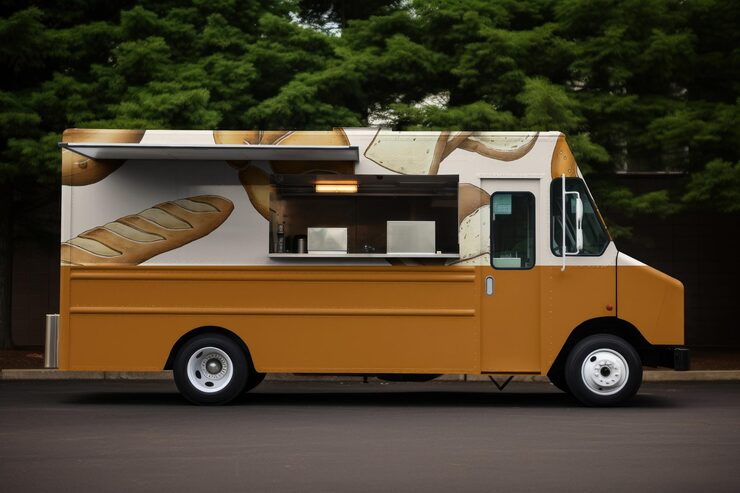
Types of Food Truck Business UAE License Options
Before diving into the step-by-step process, it’s important to understand the different license structures available for food truck operators in the UAE. Choosing the right structure from the beginning affects your costs, tax obligations, visa eligibility, and long-term scalability.
Mainland License
A mainland food truck business UAE license is issued by the relevant emirate’s Department of Economic Development (DED). It allows you to operate freely across the emirate and conduct business with government and semi-government entities. Historically, mainland businesses required a UAE national sponsor holding 51% ownership, though recent reforms have opened 100% foreign ownership in many commercial activities, including food service.
Free Zone License
Several UAE free zones — including Dubai Multi Commodities Centre (DMCC), Dubai South, and others — offer food and beverage trade licenses. Free zone licenses offer 100% foreign ownership, full profit repatriation, and streamlined setup procedures. However, they have limitations: free zone companies cannot typically operate directly on public land or roads without additional approvals from mainland authorities, which creates complications for a mobile food business model.
Instant/Temporary Permit for Events
For entrepreneurs who want to test the market before committing to a full license, event-specific temporary food vendor permits are available through Dubai Municipality, Abu Dhabi Food Control Authority, and other bodies. These are typically issued for specific events, festivals, or markets and are not a substitute for a full food truck business UAE license if you intend to operate regularly.
| License Type | Ownership | Operation Area | Best For | Approx. Cost |
| Mainland DED | Up to 100% foreign | Full emirate | Regular operation | AED 15,000–30,000+ |
| Free Zone | 100% foreign | Limited (zone + events) | Import/trade focused | AED 12,000–25,000 |
| Temporary/Event | N/A | Specific venue/event | Testing the market | AED 500–5,000 |
Step-by-Step Guide to Getting Your Food Truck Business UAE License
Getting your food truck business UAE license involves a sequential process that touches multiple government departments. Here is a detailed walkthrough of every step:
Step 1: Define Your Business Activity and Trade Name
Your first step is to define your business activity precisely. In the UAE business registration system, food trucks typically fall under categories like ‘Mobile Food Catering,’ ‘Restaurant — Mobile,’ or ‘Food Truck Operation.’ Your chosen activity will determine which permits and inspections are required. Simultaneously, you’ll need to reserve a unique trade name through the relevant DED — this name must not duplicate any existing registered business and must comply with UAE naming guidelines (no offensive language, no religious references, etc.).
Step 2: Choose Your Legal Structure
Most food truck operators in the UAE register as a Sole Establishment (for individual operators) or a Limited Liability Company (LLC, for partnerships and investment purposes). An LLC requires a minimum of two shareholders and a Memorandum of Association. Recent legislation allows UAE LLCs to be 100% foreign-owned in most commercial sectors, so consulting a business setup specialist before choosing is strongly recommended.
Step 3: Apply for Your Trade License (DED / Emirate Authority)
Submit your trade license application to the DED or equivalent authority in your emirate. Required documents typically include: passport copies of all shareholders, Emirates ID (for residents), No Objection Certificate (NOC) if currently employed elsewhere, trade name reservation certificate, initial approval certificate from the DED, and tenancy contract for your registered office address.
Step 4: Obtain Dubai Municipality / Food Safety Approval
This is often the most document-intensive step of the food truck business UAE license process. You must submit your food truck vehicle for inspection, including the layout plan of the truck showing all food preparation, storage, and service areas. The food safety authority will assess your truck against the UAE’s food safety standards (based on HACCP — Hazard Analysis and Critical Control Points principles). They’ll check refrigeration capacity, handwashing facilities, waste management, ventilation, fire suppression systems, and surface materials used in food contact areas.
Step 5: Vehicle Registration and Transport Authority Approval
Your food truck vehicle must be registered with the Roads and Transport Authority (RTA) in Dubai or the equivalent body in your emirate. The vehicle must pass roadworthiness inspections, carry valid commercial vehicle insurance, and — if it has cooking equipment — pass additional fire safety inspections. Any modifications to the vehicle (such as the installation of commercial kitchen equipment) must be declared and approved.
Step 6: Location Permits and Pitch Agreements
Knowing where you can park and trade is essential. In the UAE, food trucks cannot simply park anywhere and start selling. You need location-specific approvals from municipality authorities, private landowners, or event organizers for every location you operate from. Dubai Municipality issues designated food truck zones in some areas, while other locations require individual permits or agreements with mall operators, community developers, or event management companies.
Step 7: Food Handler’s Certification for All Staff
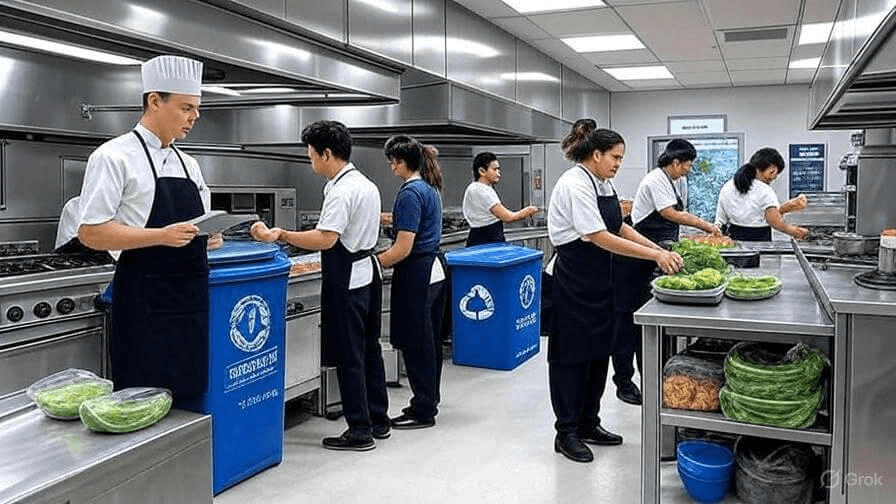
Every person working in food preparation and service on your truck must hold a valid Food Handler’s Certificate issued by the relevant health authority (Dubai Municipality, Abu Dhabi Public Health Centre, etc.). This involves completing an approved food hygiene training course and passing an examination. Training is available in multiple languages and is typically completed within a few days.
Step 8: Fire Safety Certificate
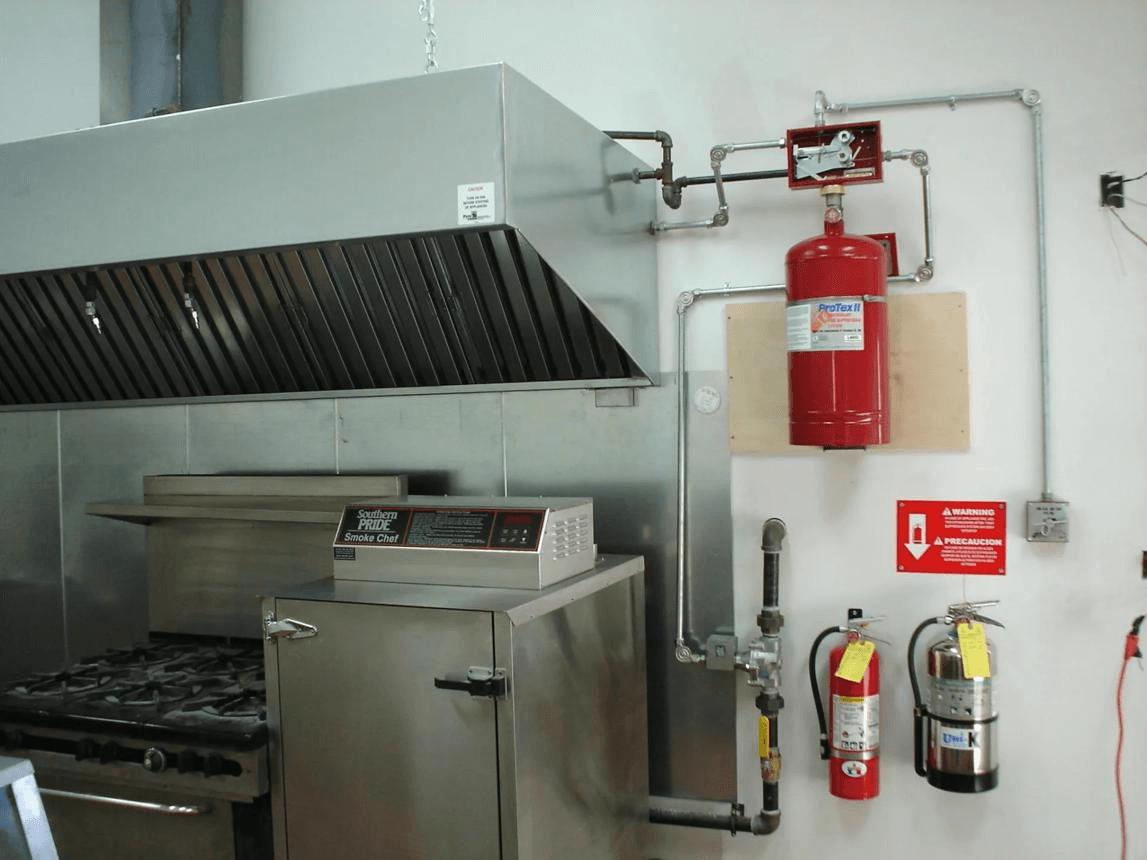
Commercial kitchens — including those in food trucks — must hold a valid Civil Defence fire safety certificate. An inspector from the UAE Civil Defence will assess your truck’s fire suppression system, fire extinguisher placement, LPG or gas system safety, ventilation adequacy, and emergency exit accessibility. This certificate must be renewed annually.
Essential Equipment for Your Food Truck Business UAE License Compliance
One of the most significant investments you’ll make when setting up your food truck is equipping it properly. And it’s not just about what you need to cook great food — it’s about meeting the technical requirements set by UAE food safety authorities as part of your food truck business UAE license compliance. Here’s a category-by-category breakdown of everything your truck will need.
Cooking Equipment
The heart of any food truck is its cooking equipment. Depending on your menu, you may need commercial-grade gas burners, induction cooktops, flat-top griddles, fryers, ovens, or combination units. All equipment must be certified for commercial use, properly secured to prevent movement while the vehicle is in transit, and connected to appropriately rated gas or electrical systems. UAE food safety inspectors specifically check that your cooking equipment is commercial-grade, not domestic.
👉 Explore Best Kitchen Appliances in UAE →
Cookware and Food Preparation Equipment
Quality commercial cookware is essential for both efficiency and compliance. Food truck inspectors check that food contact surfaces are made from food-safe, non-toxic, non-reactive materials. Stainless steel is the universal standard for professional food service. Your cookware selection should include appropriately sized pots, pans, and preparation equipment for your menu items.
Food Storage Containers and GN Containers
Proper food storage is one of the most scrutinized areas during health inspections. You’ll need appropriate food-grade containers for ingredients, prepared items, and waste. Gastronorm (GN) containers are the international standard for commercial food storage — they fit standard refrigeration units and bain-marie systems and are available in a range of sizes to suit any menu layout.
👉 Shop Best GN Containers in UAE →
👉 Explore Best Containers in UAE →
Refrigeration Requirements
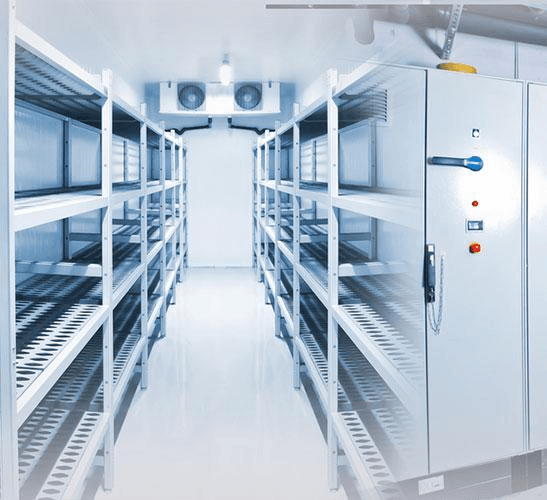
Commercial refrigeration is non-negotiable for UAE food safety compliance. Your truck must maintain cold chain integrity for all perishable items. UAE food safety standards require specific temperature maintenance: cold foods at 5°C or below, frozen foods at -18°C or below, and hot foods above 63°C. Your refrigeration units must have visible thermometers and temperature logging capabilities for inspection purposes.
Cutting Boards and Food Preparation Surfaces
Food safety authorities require that raw and cooked foods are prepared on separate, colour-coded surfaces. Professional colour-coded cutting board systems are a standard requirement in UAE commercial kitchens. You’ll need appropriate sizes and materials for your specific menu preparation requirements.
👉 Shop Best Cutting Boards in UAE →
Cooking Tools and Kitchen Utensils
From tongs and ladles to spatulas and thermometers, professional-grade cooking tools and kitchen utensils are both a compliance requirement and a practical necessity. All utensils must be made from food-safe materials, be easy to clean and sanitize, and be stored hygienically when not in use.
👉 Explore Best Cooking Tools in UAE →
👉 Shop Best Kitchen Utensils in UAE →
Kitchen Knives
Professional kitchen knives are a fundamental part of any commercial kitchen setup. UAE health inspections check that knives are stored safely (in knife blocks or magnetic strips, never loose in drawers), kept clean and sharp, and used with appropriate cutting boards. Colour-coded knife sets help demonstrate cross-contamination prevention compliance.
👉 Shop Best Kitchen Knives in UAE →
Bakeware (If Applicable)
If your food truck concept involves baked goods — pastries, breads, desserts — commercial-grade bakeware is required. Like all food-contact equipment, bakeware must be made from food-safe materials, easy to clean, and in good condition (no warping, rust, or non-stick coating degradation).
👉 Explore Best Bakeware in UAE →
Serving and Tableware
How you serve your food matters too — both from a hygiene perspective and a brand experience standpoint. Whether you use disposable packaging (popular for food trucks) or reusable tableware for dine-in service areas, all food-contact items must be food-safe and hygienically maintained.
👉 Shop Best Tableware in UAE →
Kitchen Accessories and Additional Requirements
Beyond the core equipment categories, your food truck will also need a range of kitchen accessories — from cleaning and sanitizing supplies to food thermometers, portion scales, and storage organization solutions. UAE inspectors check that these supporting items meet food safety standards alongside your main equipment.
👉 Explore Best Kitchen Accessories & More in UAE →
Food Truck Business UAE License Costs: What to Budget
One of the most common questions from aspiring food truck entrepreneurs is: how much does a food truck business UAE license cost? The honest answer is that costs vary significantly depending on your emirate, your chosen legal structure, the complexity of your menu and vehicle setup, and the locations you intend to operate from. Here’s a realistic breakdown to help you budget effectively.
Government and Licensing Fees
| Cost Item | Estimated Cost (AED) | Notes |
| Trade Name Reservation | 620–750 | Varies by emirate |
| DED Trade License (initial) | 8,000–15,000 | Activity-dependent |
| Food Safety / Municipality Approval | 2,000–5,000 | Per inspection/approval |
| Vehicle Registration & RTA Fees | 1,500–3,000 | Annual renewal |
| Civil Defence Fire Safety Certificate | 1,000–2,500 | Annual renewal |
| Food Handler’s Certificates (per person) | 300–500 each | Per staff member |
| Location/Pitch Permits | 2,000–10,000+ | Highly location-dependent |
Equipment Investment
Your food truck equipment investment is often your largest startup cost. A basic food truck kitchen setup — including commercial cooking equipment, refrigeration, storage containers, cookware, cutting boards, and utensils — typically ranges from AED 25,000 to AED 80,000 depending on the scale and complexity of your menu concept. Sourcing from quality commercial suppliers with a strong UAE track record helps ensure both compliance and durability.
➡️ read more : How to Open a Restaurant in Dubai: The Complete 2026 Step-by-Step Guide
Vehicle Acquisition and Conversion
Purchasing a food truck in the UAE involves buying a suitable commercial vehicle and either purchasing a pre-converted food truck or commissioning a conversion company to build out your kitchen. Pre-converted trucks start from approximately AED 50,000 for basic setups, while custom conversions for larger, more complex operations can reach AED 150,000 to AED 250,000 or beyond. Leasing is also an option that some operators prefer to reduce initial capital requirements.
Food Truck Business UAE License: Emirate-by-Emirate Differences
While the general framework for a food truck business UAE license is similar across the UAE, each emirate has its own specific authorities, requirements, and processing timelines. Here’s a summary of the key differences:
Dubai
Dubai is by far the most developed market for food trucks in the UAE. The Dubai Department of Economy and Tourism (DET) handles trade licensing, while Dubai Municipality’s Food Safety Department oversees food safety approvals. Dubai has established specific food truck zones in several locations, and the annual Gulfood and various food festivals create significant opportunities for licensed food truck operators. Processing times for a complete license in Dubai typically range from 4 to 8 weeks.
Abu Dhabi
In Abu Dhabi, the Department of Economic Development (ADDED) handles trade licensing and the Abu Dhabi Agriculture and Food Safety Authority (ADAFSA) oversees food safety compliance. Abu Dhabi’s food truck scene has grown rapidly with the development of new districts and cultural areas. The emirate has specific requirements around vehicle standards and location pre-approvals that must be secured before operations begin.
Sharjah and Northern Emirates
Sharjah, Ajman, Ras Al Khaimah, Fujairah, and Umm Al Quwain each have their own economic development departments and municipality bodies. These emirates often offer more affordable licensing options and less competition, making them attractive entry points for new food truck operators. However, their food truck infrastructure (designated zones, regular markets) is less developed than Dubai or Abu Dhabi, which means operators need to be more proactive in securing location agreements.
HACCP Compliance: The Food Safety Heart of Your Food Truck Business UAE License
HACCP — Hazard Analysis and Critical Control Points — is the internationally recognized food safety management system that UAE authorities use as the framework for assessing commercial food operations. Understanding HACCP is essential to successfully navigating the food safety component of your food truck business UAE license application.
What HACCP Means for Your Food Truck
HACCP requires you to systematically identify every point in your food preparation and service process where a food safety hazard could occur — and then implement controls to prevent, eliminate, or reduce those hazards to acceptable levels. For a food truck, this means documenting your entire food handling process: from receiving and storing ingredients, through preparation and cooking, to serving and waste management.
Key HACCP Control Points in a Food Truck
• Receiving: Temperature checking all incoming perishable deliveries
• Cold storage: Maintaining correct refrigeration temperatures with daily logging
• Thawing: Using approved thawing methods (refrigerator, cold water, microwave — never at room temperature)
• Cooking: Reaching correct internal temperatures for different food types
• Hot holding: Maintaining cooked foods above 63°C until service
• Cooling: Rapid cooling of any cooked foods to be refrigerated
• Cross-contamination prevention: Separate surfaces, utensils, and storage for raw and cooked foods
• Personal hygiene: Staff handwashing protocols and health monitoring
Dubai Municipality and Abu Dhabi’s ADAFSA both require food truck operators to submit a documented HACCP plan as part of their food safety approval process. Working with a food safety consultant to develop this plan is strongly recommended for operators without prior commercial kitchen experience.
Common Mistakes When Applying for a Food Truck Business UAE License
Forewarned is forearmed. Here are the most common and costly mistakes that aspiring food truck operators make during the food truck business UAE license process — and how to avoid them:
1. Starting Vehicle Conversion Before License Approval
Many entrepreneurs make the expensive mistake of commissioning their food truck conversion before receiving initial approval from the food safety authority. The municipality will inspect your truck as part of the licensing process — if your conversion doesn’t meet their specifications, you’ll need to redo the work at significant cost. Always get your design plan pre-approved before spending on conversion.
2. Underestimating Location Complexity
A food truck without an approved operating location is a food truck that can’t trade. Many operators focus entirely on the licensing process and only discover after receiving their trade license that finding approved, commercially viable locations is a separate — and often lengthy — process. Begin location negotiations and approvals in parallel with your licensing process.
3. Using Non-Commercial Equipment
Domestic kitchen equipment — including home-grade refrigerators, consumer-grade cooktops, and retail cookware — will fail health inspections. UAE food safety authorities specifically require commercial-grade equipment. Using domestic equipment not only fails inspections but also typically fails much faster under the demands of commercial service. Always invest in proper commercial equipment from the beginning.
4. Neglecting Staff Certification
All food handlers must be certified before your truck can operate — and many operators forget to factor the training timeline (typically 1–2 weeks) and cost into their launch plan. Factor food handler certification for every planned team member into your pre-launch timeline.
5. Ignoring Annual Renewals
A food truck business UAE license is not a one-time achievement — it requires annual renewals for your trade license, food safety approval, vehicle registration, civil defence certificate, and staff certifications. Missing renewal deadlines results in fines and can force your operation to shut down. Set calendar reminders well in advance of every renewal date.
Growing Your Food Truck Business After Getting Your UAE License
Once your food truck business UAE license is secured and your truck is operational, the work of building a sustainable business begins. Here are the growth strategies that successful UAE food truck operators consistently employ:
Leverage Events and Markets
Events are the lifeblood of the food truck industry. Dubai Food Festival, Taste of Dubai, Abu Dhabi Film Festival food zones, and countless community markets, company events, and private functions offer high-footfall opportunities with built-in audiences. Building relationships with event organizers early is one of the most valuable investments you can make in your food truck’s long-term success.
Build a Strong Social Media Presence
The UAE has one of the world’s highest social media engagement rates. A food truck with strong Instagram, TikTok, and Google Maps presence can generate demand that pulls customers to wherever you’re parked. Location announcement posts, behind-the-scenes kitchen content, and customer testimonial videos are particularly effective formats for UAE food truck marketing.
Partner with Delivery Platforms
Several UAE food trucks have successfully registered on Talabat and Noon Food, creating a delivery component that extends their revenue beyond physical location visits. This requires a registered kitchen address for the delivery platform registration — many food truck operators use commissary kitchen space for this purpose.
Consider a Commissary Kitchen
A commissary kitchen is a licensed, shared commercial kitchen facility that food truck operators use for prep work, batch cooking, equipment storage, and the registered address requirements of some platforms and licenses. Using a commissary kitchen improves your operational efficiency, reduces truck wear, and opens additional business opportunities.
Frequently Asked Questions About Food Truck Business UAE License
How much does a food truck license cost in the UAE?
The total cost for a food truck business UAE license — including trade license, food safety approvals, vehicle registration, civil defence certificate, and staff certifications — typically ranges from AED 15,000 to AED 35,000 for the first year. Annual renewal costs are generally lower, ranging from AED 10,000 to AED 20,000 depending on the emirate and specific permits involved.
How long does it take to get a food truck license in Dubai?
The complete food truck business UAE license process in Dubai typically takes between 4 to 10 weeks from initial application to receiving all required permits. The timeline depends on how quickly you can complete your vehicle inspection, food safety documentation, and staff certifications. Having all documents prepared in advance and working with a business setup consultant can significantly reduce processing time.
Can a foreigner own a food truck in the UAE?
Yes. Recent UAE business reforms allow foreigners to own 100% of mainland companies in many business activities, including food service. Previously, a UAE national sponsor (local partner) holding 51% ownership was typically required for mainland businesses. Free zone structures have always allowed 100% foreign ownership. Consulting a business setup specialist will help you identify the most suitable structure for your situation.
Do I need a separate license for each emirate I operate in?
Yes and no. Your trade license is issued by a specific emirate’s authority. To regularly operate in a different emirate, you typically need to either establish a branch there or obtain emirate-specific approvals from that authority. For occasional events or festivals in other emirates, event-specific temporary permits are usually the more practical solution.
What are the food safety requirements for food trucks in the UAE?
UAE food trucks must comply with HACCP-based food safety standards. This includes commercial-grade refrigeration maintaining correct temperatures, separate storage for raw and cooked foods, adequate handwashing facilities with hot and cold running water, proper ventilation and fire suppression systems, food-safe surface materials, colour-coded cutting boards, certified food handlers, and a documented HACCP plan. The specific food safety authority depends on the emirate of operation.
Can I operate a food truck from a free zone license?
A free zone trade license alone is generally insufficient for operating a food truck on public roads and locations in the UAE. You would typically still need mainland municipality food safety approvals, vehicle registration with the RTA, and location-specific permits. Many operators find a mainland license more straightforward for a primarily mobile business model, though consulting a business setup professional is the best way to determine the optimal structure for your specific plans.
What equipment is required for a food truck in the UAE?
UAE food safety authorities require commercial-grade cooking equipment, adequate refrigeration (maintaining required temperatures), handwashing facilities with hot and cold running water, food-safe storage containers including GN containers, colour-coded cutting boards, proper ventilation, a fire suppression system, fire extinguishers, waste management systems, and commercial-grade utensils and cookware. All food-contact surfaces must be non-toxic, non-reactive, and easy to clean.
How do I find locations to park my food truck in Dubai?
Dubai Municipality designates specific food truck zones in some areas, and these can be applied for through the municipality portal. Beyond designated zones, food trucks can secure locations through agreements with private property owners (malls, community developments, office parks), event organizers, corporate clients, and catering contracts. Building relationships with UAE event management companies is one of the most effective strategies for consistent, high-value location access.
Is a food truck business profitable in the UAE?
Food trucks in the UAE can be highly profitable, particularly for operators who effectively combine regular location pitches, private catering contracts, and event participation. Successful UAE food truck operators typically report monthly revenues ranging from AED 30,000 to AED 120,000 depending on their concept, locations, and operational efficiency. The key success factors are a compelling concept, proper licensing, quality equipment, strong social media marketing, and reliable access to high-footfall locations.
What type of food truck concept works best in the UAE?
The UAE market has shown strong demand for international cuisine concepts (American, Mexican, Asian fusion, Middle Eastern), gourmet burger and sandwich concepts, dessert and specialty beverage concepts, and healthy/organic food options. Concepts that offer visual appeal (great for social media), speed of service (important for lunch and event settings), and a unique point of difference tend to perform best in the competitive UAE food truck scene.
Conclusion: Your Food Truck Business UAE License Is the Foundation of Your Mobile Food Empire
The UAE’s food truck market is one of the most exciting opportunities in the country’s dynamic hospitality sector — and every successful operator on the scene started exactly where you are now: with a concept, a dream, and the need to understand the food truck business UAE license process. It’s a journey that demands patience, preparation, and investment — but it’s one that pays off in the form of a flexible, scalable, and deeply rewarding business.
The steps are clear: choose your legal structure, secure your trade license, pass your food safety inspection, certify your team, register your vehicle, and lock in your locations. Equip your truck with commercial-grade, UAE-compliant equipment from trusted suppliers, build your HACCP documentation, and connect with the UAE’s vibrant events and markets ecosystem. Do all of this right, and your food truck becomes more than a business — it becomes a brand.
Don’t let the complexity of the food truck business UAE license process become a barrier. Every major food truck success story in the UAE began with someone who did the research, took the steps, and launched with confidence. This guide is your starting point — share it with fellow entrepreneurs, leave your questions in the comments, and explore the equipment resources linked throughout to build your truck with the right gear from day one.
👉 Explore All Professional Kitchen Equipment for Your Food Truck →