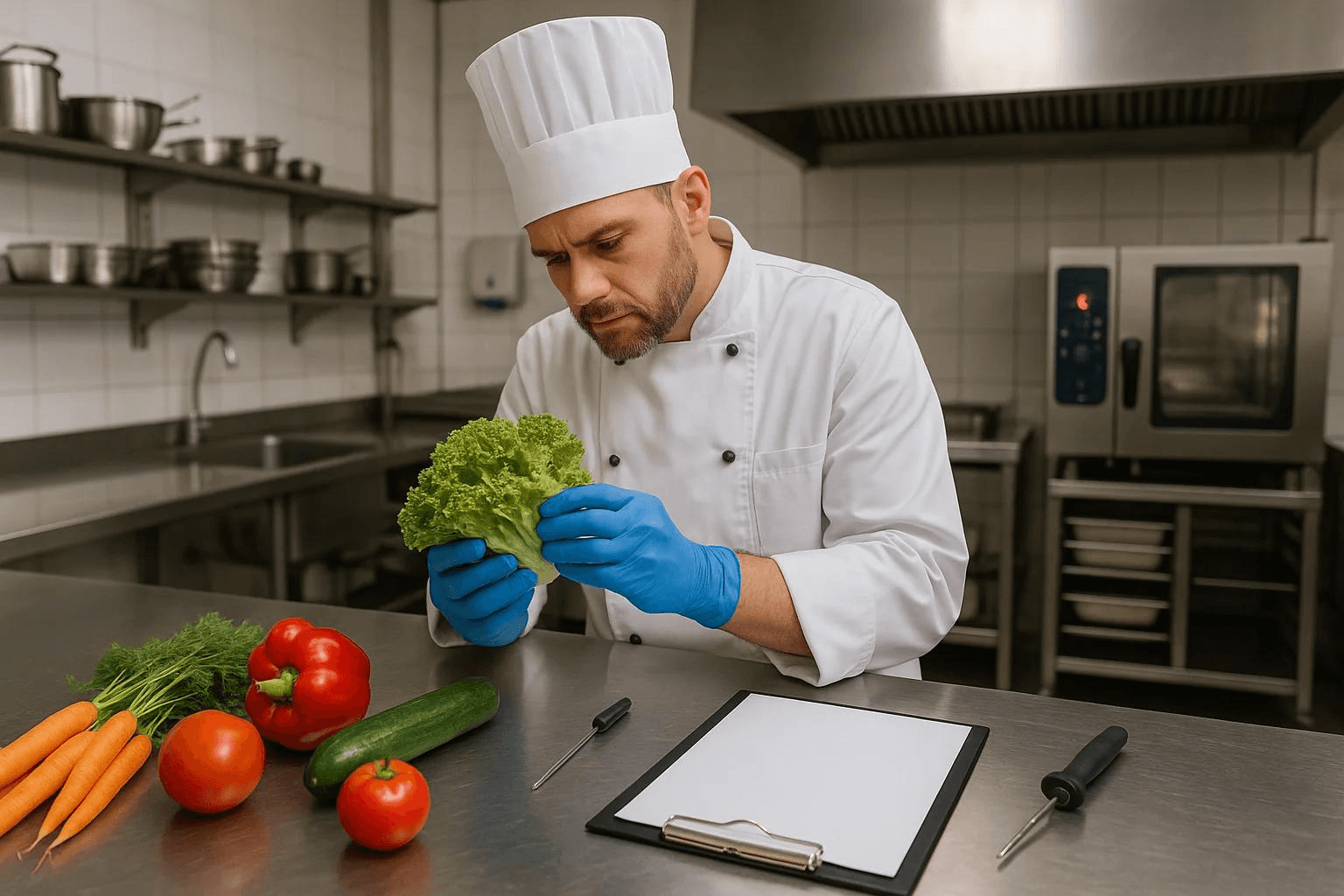
Dubai Municipality Food Safety Regulations Restaurant: What Every Restaurant Owner Must Know
10 يونيو 2026
Food safety is one of the most important responsibilities for restaurant owners operating in Dubai.
While customer experience, menu development, branding, and profitability often receive significant attention, long-term success ultimately depends on maintaining safe food handling practices and complying with local regulations.
Dubai has established a highly respected food safety framework designed to protect consumers, maintain public health standards, and support the reputation of the hospitality industry.
For restaurant owners, understanding Dubai Municipality food safety regulations is not simply about avoiding penalties.
It is about building a business that customers trust.
Strong food safety practices contribute to:
- Customer confidence
- Brand reputation
- Operational consistency
- Regulatory compliance
- Business sustainability
The most successful restaurants view compliance as an operational advantage rather than a regulatory obligation.
As a provider of complete commercial kitchen solutions, Al Razana Kitchen Equipment works closely with restaurants, cafés, hotels, cloud kitchens, and foodservice businesses across the UAE to help create commercial kitchens that support food safety, operational efficiency, and long-term compliance through design, planning, equipment supply, installation, fabrication, maintenance, and consultancy services.
Why Food Safety Compliance Matters for Restaurants
Food safety regulations exist to protect both consumers and businesses.
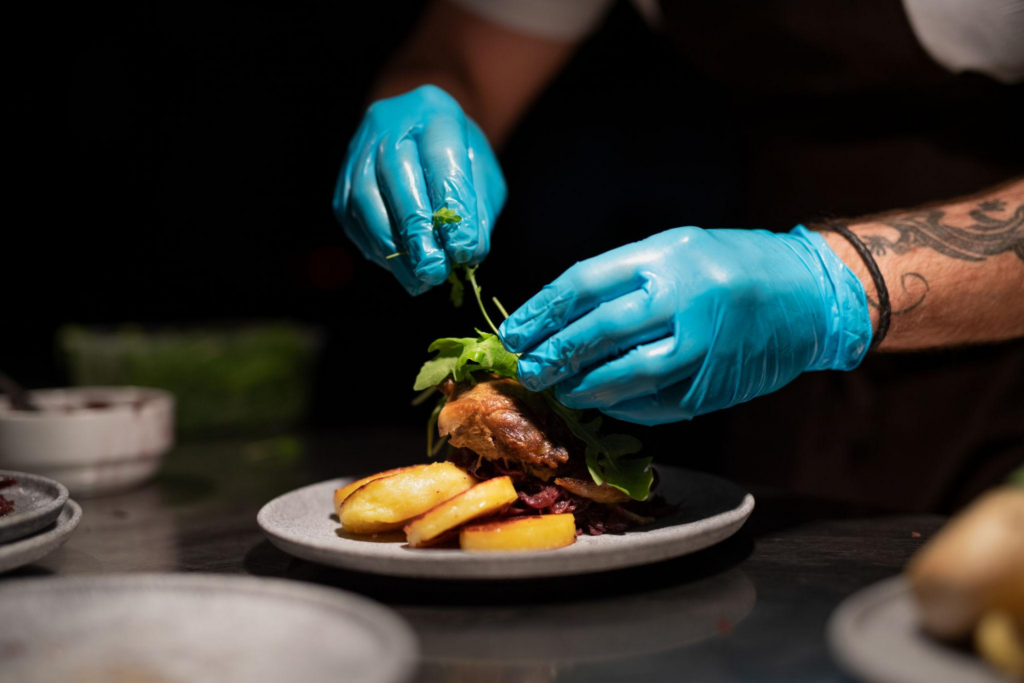
A restaurant’s reputation can take years to build and only a short time to damage if food safety standards are not maintained.
Customers increasingly expect restaurants to demonstrate professionalism and consistency.
Food safety plays a major role in meeting those expectations.
Benefits of Strong Compliance
Restaurants that prioritize food safety often experience:
- Higher customer trust
- Improved operational consistency
- Reduced business risk
- Better staff awareness
- Stronger brand reputation
Compliance should therefore be viewed as part of the overall business strategy.
Understanding the Role of Dubai Municipality in Food Safety
Dubai Municipality plays a central role in regulating food safety standards across foodservice operations.
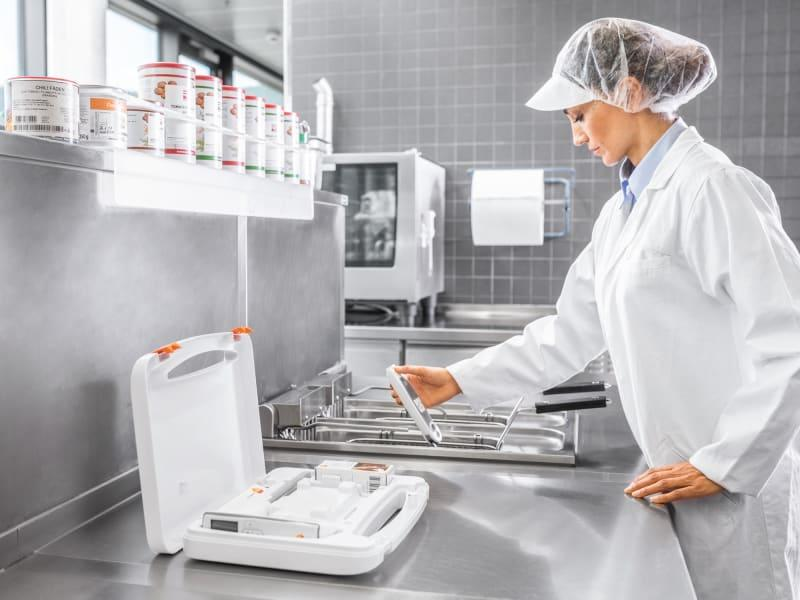
The authority works to ensure that food establishments maintain appropriate hygiene, handling, storage, and operational practices.
Its objective is to support public health while helping maintain high standards across the hospitality sector.
Food Safety Is an Ongoing Responsibility
Compliance is not a one-time event.
Restaurants must continuously maintain operational standards across:
- Food storage
- Preparation procedures
- Kitchen hygiene
- Staff training
- Equipment maintenance
- Temperature management
Successful businesses build these practices into daily operations.
Why Restaurant Owners Should Focus on Prevention Rather Than Correction
One of the biggest mistakes food businesses make is treating compliance as something that only matters during inspections.

In reality, the strongest food safety programs focus on prevention.
Preventive Compliance Supports
- Operational consistency
- Reduced risk
- Improved staff performance
- Better customer experiences
- Stronger inspection outcomes
When compliance becomes part of everyday operations, inspections become significantly easier to manage.
The Connection Between Food Safety and Commercial Kitchen Design
Food safety begins long before food reaches customers.
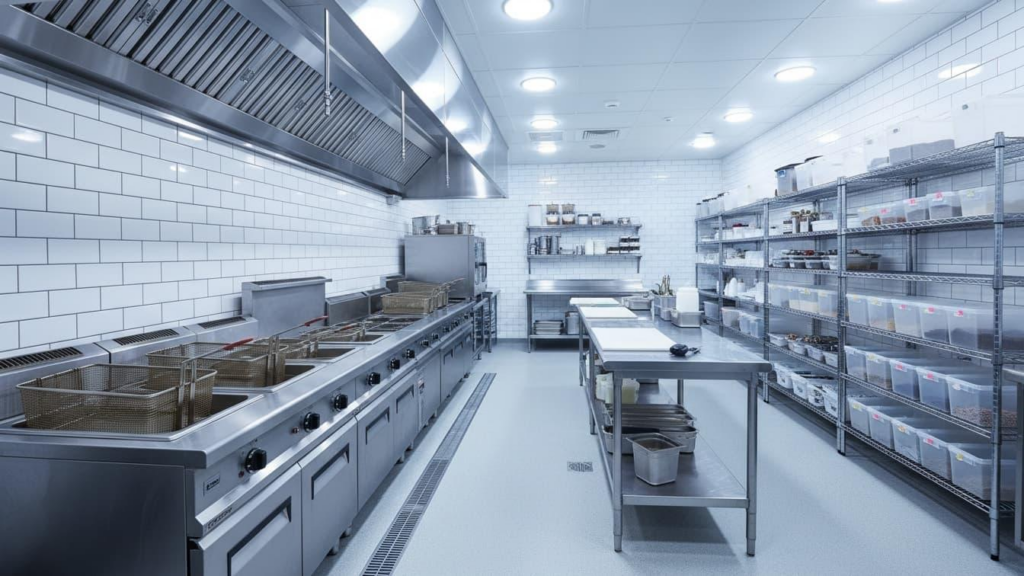
It starts during the kitchen planning stage.
A poorly designed kitchen can create operational challenges that make compliance more difficult.
Common Design Challenges
Poor layouts may contribute to:
- Workflow conflicts
- Cross-contamination risks
- Cleaning difficulties
- Storage inefficiencies
- Food handling challenges
These issues can negatively impact operational performance and compliance efforts.
Why Professional Kitchen Design Matters
Commercial kitchen design should support:
- Safe food handling
- Logical workflows
- Easy cleaning procedures
- Proper storage management
- Efficient staff movement
These elements create a stronger foundation for food safety.
HACCP and Modern Restaurant Operations
HACCP principles have become a cornerstone of food safety management throughout the hospitality industry.
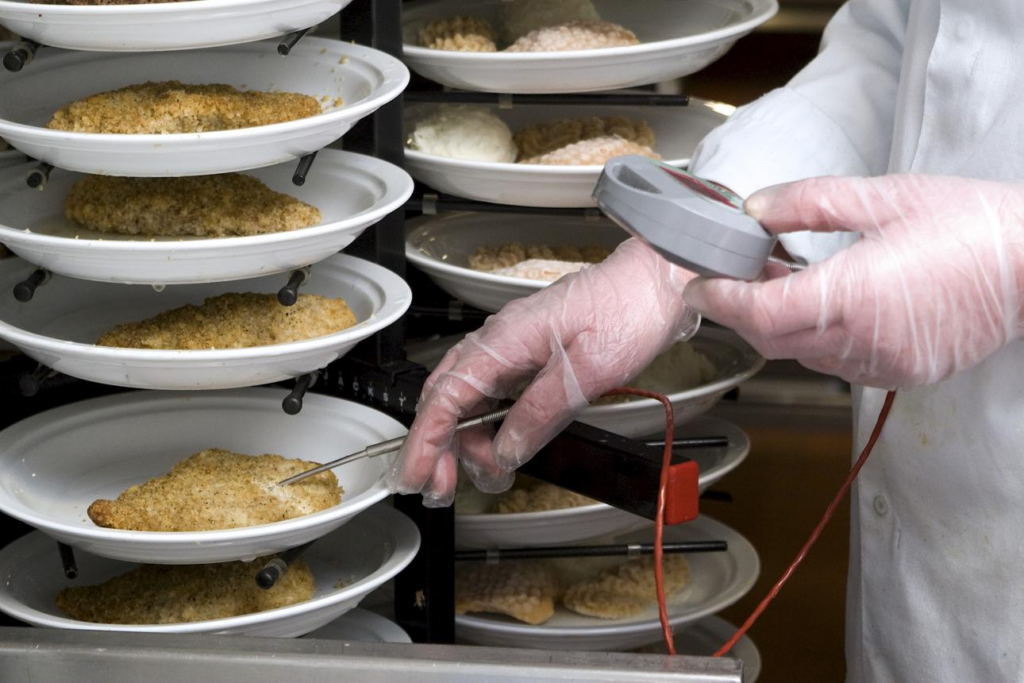
While specific implementation requirements vary by operation, the overall objective remains the same.
The goal is identifying potential food safety risks and implementing controls that help prevent problems before they occur.
Why HACCP Principles Matter
A structured food safety approach helps businesses:
- Improve consistency
- Reduce risk
- Strengthen staff awareness
- Support regulatory compliance
- Enhance operational control
Restaurants that integrate HACCP thinking into daily operations often achieve stronger food safety outcomes.
Building a HACCP-Focused Restaurant Environment
Food safety systems work best when supported by the physical environment.
This is where kitchen design and equipment planning become important.
Operational Areas That Support Compliance
These include:
- Food preparation zones
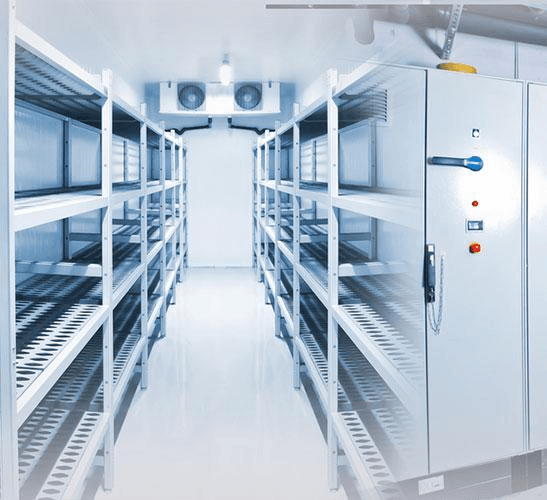
- Refrigerated storage
- Dry storage areas
- Cleaning stations
- Waste management systems
- Service areas
Each area should support safe and efficient operations.
Why Planning Comes Before Equipment Selection
Many restaurant owners focus on equipment first.
However, the most effective approach begins with operational planning.
Equipment should support workflows rather than dictate them.
Food Handler Training and Certification Awareness
Staff play a critical role in food safety.
Even the most advanced kitchen cannot compensate for poor food handling practices.
Why Training Matters
Training helps employees understand:
- Hygiene requirements
- Safe food handling
- Cleaning procedures
- Storage practices
- Contamination prevention
Well-trained teams contribute significantly to operational consistency.
Building a Culture of Food Safety
The strongest restaurants create environments where food safety becomes part of the company culture rather than simply a compliance requirement.
Preparing for Restaurant Inspections
Many restaurant owners feel anxious about inspections.
However, businesses that prioritize compliance daily are often well-prepared at any time.
Inspection Readiness Should Be Continuous
Rather than preparing only before inspections, successful restaurants maintain consistent standards throughout the year.
This approach supports:
- Operational confidence
- Staff accountability
- Better customer experiences
- Reduced compliance risks
Preparation becomes easier when food safety practices are integrated into everyday operations.
Understanding Common Inspection Focus Areas
Inspectors typically evaluate a wide range of operational factors.
While specific inspection criteria may vary, several areas consistently receive attention.
Food Storage Practices
Proper storage procedures help protect food quality and safety.
Hygiene Standards
Clean facilities support customer safety and regulatory compliance.
Temperature Control
Temperature management plays a critical role in food safety.
Staff Practices
Employee behavior often influences food safety outcomes.
Facility Maintenance
Well-maintained facilities support safe operations.
Equipment Condition
Properly functioning equipment helps maintain consistent food safety standards.
Why Equipment Maintenance Supports Compliance
Food safety is closely linked to equipment performance.
Poorly maintained equipment can create operational challenges that affect food quality and compliance.
Benefits of Preventive Maintenance
Preventive maintenance helps support:
- Consistent performance
- Reliable refrigeration
- Proper cooking operations
- Improved hygiene
- Reduced downtime
For this reason, maintenance should be viewed as part of a restaurant’s food safety strategy.
How Al Razana Kitchen Equipment Supports Compliance-Focused Operations
Food safety compliance depends on much more than policies and procedures.
It also depends on the physical environment.
Al Razana Kitchen Equipment helps hospitality businesses create commercial kitchens designed to support both operational efficiency and regulatory compliance.
Commercial Kitchen Design
Creating layouts that promote safe and efficient workflows.
Kitchen Planning & Consultancy
Aligning operational requirements with food safety objectives.
Commercial Equipment Supply
Providing foodservice equipment suitable for demanding hospitality environments.
Kitchen Equipment Installation
Supporting proper implementation from the beginning.
Stainless Steel Fabrication
Developing hygienic and efficient custom-built solutions.
Turnkey Commercial Kitchen Projects
Delivering complete operational environments from concept through execution.
Preparing for Surprise Inspections
One of the most important realities of food safety compliance is that inspections may occur without extensive advance notice.
For restaurant owners, this means compliance should be maintained every day rather than only during scheduled reviews.
Businesses that rely on last-minute preparation often struggle to maintain consistent standards.
Why Daily Compliance Matters
Daily compliance helps ensure:
- Consistent operational performance
- Reduced stress during inspections
- Better staff accountability
- Stronger food safety culture
- Improved customer confidence
When food safety practices become part of everyday operations, inspection readiness becomes a natural outcome.
Creating an Inspection-Ready Environment
Successful restaurants often focus on:
- Consistent cleaning routines
- Proper food storage
- Staff awareness
- Equipment maintenance
- Documentation management
These practices support operational excellence beyond compliance alone.
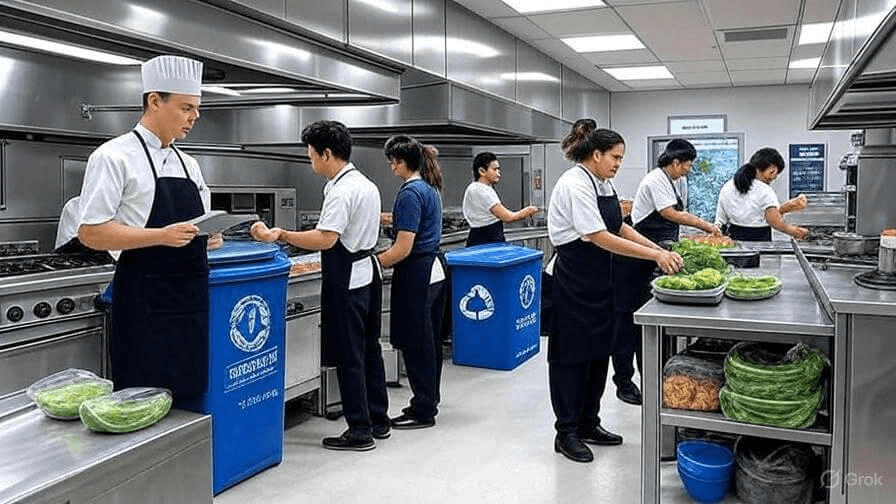
Building a Food Safety Culture Across the Entire Restaurant
Food safety should never be the responsibility of a single manager.
The strongest restaurants create a culture where every employee understands their role in maintaining standards.
Characteristics of a Strong Food Safety Culture
Employees understand:
- Hygiene expectations
- Cleaning procedures
- Food handling requirements
- Reporting responsibilities
- Operational best practices
This collective responsibility helps reduce risks while improving consistency.
Leadership Plays a Critical Role
Restaurant owners and managers set the tone for compliance.
When leadership prioritizes food safety, employees are more likely to follow established procedures consistently.
Why Workflow Optimization Supports Compliance
Many compliance challenges are caused by operational inefficiencies.
Poor workflows often create situations where employees take shortcuts or struggle to follow procedures consistently.
Efficient Workflows Help Support
- Safer food handling
- Faster production
- Better organization
- Improved cleaning routines
- Reduced contamination risks
This is why workflow design is an important component of compliance planning.
Commercial Kitchen Design and Workflow Planning
Professional commercial kitchen design helps ensure that operational processes support both productivity and food safety objectives.
Rather than viewing compliance and efficiency as separate goals, successful businesses integrate both into the same operational strategy.
Common Compliance Mistakes Restaurant Owners Should Avoid
Many food safety challenges result from recurring operational mistakes.
Understanding these issues can help restaurant owners reduce risk and strengthen compliance efforts.
Inadequate Staff Training
Employees who do not fully understand food safety procedures may unintentionally create compliance risks.
Poor Kitchen Layouts
Inefficient designs can increase contamination risks and reduce operational efficiency.
Weak Cleaning Procedures
Inconsistent cleaning schedules often lead to hygiene challenges.
Equipment Neglect
Poorly maintained equipment can affect food quality, temperature control, and operational reliability.
Reactive Compliance Management
Waiting for inspections before addressing food safety concerns often creates unnecessary risk.
Insufficient Documentation
Maintaining accurate operational records supports accountability and demonstrates commitment to compliance.
Why Food Safety Begins During the Planning Stage
Many restaurant owners focus on food safety after operations begin.
However, compliance is far easier to maintain when it is built into the facility from the start.
Planning Influences
- Workflow efficiency
- Hygiene management
- Equipment accessibility
- Cleaning procedures
- Storage organization
- Staff movement
These factors directly affect food safety performance.
Designing for Long-Term Compliance
Restaurants designed with food safety in mind often experience fewer operational challenges and greater consistency.
This is one reason why professional planning remains such an important investment.
The Importance of Proper Equipment Selection
Commercial kitchen equipment influences far more than food production.
It also affects:
- Hygiene standards
- Cleaning efficiency
- Temperature management
- Staff productivity
- Operational consistency
Choosing the right equipment helps support compliance while improving overall performance.
Equipment Should Support Operations
Successful restaurant operators select equipment based on:
- Workflow requirements
- Production needs
- Space constraints
- Food safety objectives
- Long-term growth plans
This strategic approach helps create stronger operational foundations.
Why Turnkey Commercial Kitchen Projects Support Compliance
Managing multiple suppliers, contractors, and consultants can create coordination challenges.
These challenges sometimes lead to design compromises that affect food safety.
Turnkey project delivery helps minimize these risks.
Benefits of Turnkey Solutions
Integrated project execution supports:
- Better communication
- Consistent standards
- Improved accountability
- Efficient implementation
- Stronger operational outcomes
This coordinated approach can help restaurants establish compliance-focused environments from day one.
Why Al Razana Kitchen Equipment Supports Compliance-Driven Restaurant Operations
Restaurant compliance depends on more than policies.
It depends on creating an operational environment that supports safe, efficient, and consistent practices.
Al Razana Kitchen Equipment helps restaurants across the UAE build these environments through complete commercial kitchen solutions.
Commercial Kitchen Design
Designing kitchens that support food safety and operational efficiency.
Kitchen Planning & Consultancy
Helping businesses align facility requirements with compliance objectives.
Commercial Kitchen Equipment Supply
Providing foodservice equipment designed for professional hospitality environments.
Kitchen Equipment Installation
Ensuring proper implementation and operational readiness.
Stainless Steel Fabrication
Creating hygienic custom-built solutions that support efficient workflows.
Maintenance & Technical Support
Helping businesses maintain reliable operations over time.
Turnkey Commercial Kitchen Projects
Delivering complete solutions from planning and design to installation and execution.
This comprehensive approach helps restaurants create environments that support compliance, productivity, and long-term growth.
Compliance as a Competitive Advantage
Many restaurant owners view compliance solely as a regulatory requirement.
However, the most successful businesses understand that compliance can also become a competitive advantage.
Benefits of Strong Compliance Practices
Businesses that consistently maintain high standards often experience:
- Stronger customer trust
- Improved operational consistency
- Better employee accountability
- Reduced operational risk
- Enhanced brand reputation
These advantages contribute directly to long-term business success.
The Future of Food Safety in UAE Restaurants
Customer expectations continue to evolve.
Consumers increasingly expect transparency, consistency, and professionalism from foodservice businesses.
As the hospitality sector continues to grow, food safety standards will remain a key factor in maintaining trust and protecting public health.
Restaurants that invest in planning, training, operational excellence, and compliance-focused infrastructure today will be better positioned for future success.
Conclusion
Understanding Dubai Municipality food safety regulations for restaurants is essential for every hospitality operator seeking sustainable success.
Compliance extends far beyond passing inspections.
It involves creating operational systems that consistently support safe food handling, hygiene, customer protection, and business reliability.
From staff training and food handling practices to equipment maintenance and workflow design, every aspect of restaurant operations contributes to compliance outcomes.
Businesses that integrate food safety into daily operations are often better positioned to build customer trust, protect their reputation, and achieve long-term growth.
As a trusted provider of complete commercial kitchen solutions, Al Razana Kitchen Equipment supports restaurants, cafés, cloud kitchens, hotels, and foodservice businesses across the UAE through commercial kitchen design, planning, equipment supply, installation, fabrication, maintenance, consultancy, and turnkey project delivery designed to support both operational efficiency and regulatory compliance.
By investing in the right operational foundation, restaurant owners can transform compliance from a regulatory obligation into a long-term business advantage.
Frequently Asked Questions
Why are Dubai Municipality food safety regulations important for restaurants?
These regulations help protect public health, maintain food safety standards, support customer trust, and ensure responsible foodservice operations.
What is the purpose of food safety inspections?
Inspections help verify that restaurants are maintaining appropriate food handling, hygiene, storage, and operational practices.
How can restaurants prepare for surprise inspections?
The best approach is maintaining compliance every day through consistent food safety practices, staff training, cleaning routines, and equipment maintenance.
Why is commercial kitchen design important for compliance?
A well-designed kitchen supports safe workflows, proper food handling, easier cleaning, and efficient operations.
How does HACCP support food safety?
HACCP principles help businesses identify potential food safety risks and establish controls to reduce those risks.
Why is staff training critical for compliance?
Employees play a direct role in food handling, hygiene, and operational consistency, making training essential for maintaining standards.
How does equipment maintenance support food safety?
Properly maintained equipment helps ensure reliable temperature control, operational consistency, and hygienic food production.
What are turnkey commercial kitchen projects?
Turnkey projects include planning, design, procurement, installation, fabrication, maintenance, and project coordination under a single integrated solution.
What services does Al Razana Kitchen Equipment provide?
Al Razana provides commercial kitchen design, consultancy, equipment supply, installation, stainless steel fabrication, maintenance support, and turnkey commercial kitchen solutions.
Why do restaurant owners work with Al Razana Kitchen Equipment?
Because Al Razana helps businesses create efficient, compliance-focused commercial kitchen environments designed for long-term operational success across the UAE.