How to Start a Catering Business in Dubai: Full License to First Event Guide
21 April 2026
Dubai. A city where ambition meets opportunity at every corner. A place where a single corporate event can serve 500 guests, a wedding can stretch across two ballrooms, and food festivals draw visitors from across the globe. If you’ve ever dreamed of turning your passion for food into a thriving business, there is arguably no better city in the world to start a catering business in Dubai than right now.
But here’s the truth no one tells you upfront: the gap between “great food” and “profitable catering company” is wider than most people expect. Licensing, kitchen setup, supplier relationships, staffing, health permits — every single layer matters. Skip one step, and you could face fines, shutdowns, or worse, a reputation disaster at your very first event.
This guide was built for you — whether you’re a trained chef, a passionate home cook, or a business-minded entrepreneur who sees the massive demand for quality catering services in the UAE. We’ll walk you through every step, from your first business idea all the way to delivering a flawless first event. By the end, you’ll know exactly how to start a catering business in Dubai with clarity and confidence.
Why Dubai Is the Perfect Place to Start a Catering Business
Before diving into the “how,” let’s talk about the “why.” Understanding the market opportunity will keep you motivated when the paperwork piles up.
The Catering Industry in the UAE: A Booming Market
The UAE food service and catering sector has been growing at an impressive pace. Corporate events, government functions, weddings, school canteens, and hotel banquets all fuel a multi-billion dirham industry. Dubai alone hosts thousands of large-scale events annually, from Expo-style exhibitions to private luxury gatherings.
The demand for professional catering services in Dubai is not slowing down — it is accelerating. The rise of cloud kitchens, food delivery platforms, and hybrid event formats has created entirely new revenue streams for catering businesses that didn’t exist five years ago.
Who Is Your Target Customer?
When you start a catering business in Dubai, your customer base can be incredibly diverse:
- Corporate clients: Regular lunch packages, board meeting catering, office parties
- Wedding and events planners: High-value one-time bookings with significant margins
- Government and institutional clients: Canteen management for schools, hospitals, or offices
- Private households: Birthday parties, family gatherings, private dinners
- Hospitality businesses: Hotels, resorts, and venues that outsource food preparation
Understanding who you’re serving shapes everything — from your menu to your pricing to the equipment you’ll need.
Step 1: Choose Your Catering Business Model Before You Start a Catering Business in Dubai
Not all catering businesses are the same. Before you register a single document, you need to decide which model fits your vision, your budget, and your skills.
Types of Catering Businesses in Dubai
Full-Service Catering: You handle everything — food preparation, staffing, setup, service, and cleanup. This model commands higher prices but requires more infrastructure.
Drop-Off Catering: You prepare the food and deliver it, but the client handles serving. Lower overhead, faster turnaround, easier to scale.
Corporate Meal Plans: Regular bulk deliveries to offices or businesses on a daily or weekly contract. Predi ble income, lower margins per meal but high volume.
Event Catering: Large-scale events, weddings, and festivals. High revenue per job but irregular bookings.
Specialty Catering: Vegan, halal-certified, organic, or cuisine-specific catering targeting niche markets with premium pricing.
Choose your model before you register your business — it will affect which license you need and how you structure your operations.
➡️ read more : How to Open a Restaurant in Dubai: The Complete 2026 Step-by-Step Guide
Step 2: Legal Requirements — How to Get Your Catering License in Dubai
This is where many aspiring caterers feel overwhelmed. The licensing process in Dubai is structured but manageable when you break it down step by step.
Understanding the Regulatory Bodies
In Dubai, catering businesses are regulated primarily by:
- Dubai Department of Economic Development (DED): For mainland businesses
- Dubai Municipality Food Safety Department: For food handling permits and kitchen approvals
- Free Zone Authorities (IFZA, Dubai Airport Free Zone, etc.): For free zone establishments
- DIFC or other specific zones: If operating within those jurisdictions
Step-by-Step: Getting Your Catering License in Dubai
Step 1 – Choose your business structure You can register as a sole proprietorship, LLC, or through a free zone entity. Most catering businesses operating on the mainland go with an LLC (Limited Liability Company), which requires a local sponsor holding 51% of shares — although recent reforms have allowed 100% foreign ownership in many business activities.
Step 2 – Reserve your trade name Submit your preferred business name to the DED for approval. The name must comply with UAE naming guidelines — no offensive terms, no references to religion or government.
Step 3 – Choose your business activity Select “Catering Services” as your primary business activity. You may also add “Food Preparation” or “Restaurant Services” depending on your model.
Step 4 – Apply for initial approval Submit your application to the DED. This typically includes your passport copies, visa, No Objection Certificate (NOC) if employed, and business plan summary.
Step 5 – Secure your premises You need an approved commercial kitchen space. Dubai Municipality will inspect it. You cannot use a home kitchen for a licensed catering business.
Step 6 – Obtain your food handling permit All staff who handle food must have valid Food Handler Certificates from Dubai Municipality. This requires attending an approved training course.
Step 7 – Get your trade license issued Once all approvals are in place, pay the license fee and receive your official trade license.
Step 8 – Register for VAT (if applicable) If your annual turnover exceeds AED 375,000, VAT registration is mandatory with the Federal Tax Authority.
Estimated Cost: Getting a catering trade license in Dubai typically costs between AED 15,000–25,000 for the initial setup, not including kitchen fit-out costs.
Step 3: Setting Up Your Commercial Kitchen
Your kitchen is the engine of your catering business. This is where your cost structure — and your reputation — begins. Choosing and equipping the right commercial kitchen is one of the most critical decisions you’ll make when you start a catering business in Dubai.
Options for Your Kitchen Space
Option 1: Rent a standalone commercial kitchen You find a suitable space, fit it out to Dubai Municipality standards, and operate independently. Full control, higher upfront cost.
Option 2: Shared kitchen / Cloud kitchen rental Rent kitchen time or dedicated space within an established shared kitchen facility. Lower investment, less control over scheduling.
Option 3: Operate from within a licensed food facility Some caterers partner with restaurant kitchens during off-hours. Can work short-term but limits your growth.
Essential Kitchen Equipment for Your Catering Business
This is where your investment pays dividends for years to come. Choosing the right commercial-grade equipment ensures food safety, operational efficiency, and the ability to scale.
Here’s a breakdown of what you’ll need:
Cooking Equipment
Your production line starts withCommercial Cooking Equipment — the heart of any catering kitchen.
- Commercial Fryers for high-volume frying of proteins and sides
- Electric Griddles for breakfast catering and flat-top cooking
- Cooking Range with Oven as the workhorse of your kitchen
- Bain Marie for keeping sauces and dishes at serving temperature
- Charbroilers for grilled proteins
- Electric Rotisserie for whole birds and large cuts
🛒 : Equip your catering kitchen with professional-gradeCooking Equipment — browse our full range at Al Razana.
Commercial Ovens
No catering kitchen is complete without the rightCommercial Ovens.
- Combi Ovens — the most versatile choice for large-scale catering; steam + convection in one unit
- Convection Ovens for even baking and roasting
- Cook and Hold Ovens — perfect for catering; cook in advance and hold at safe temperatures
🛒 : FromCombi Ovens toConvection Ovens, find the right oven for your catering volume at Al Razana.
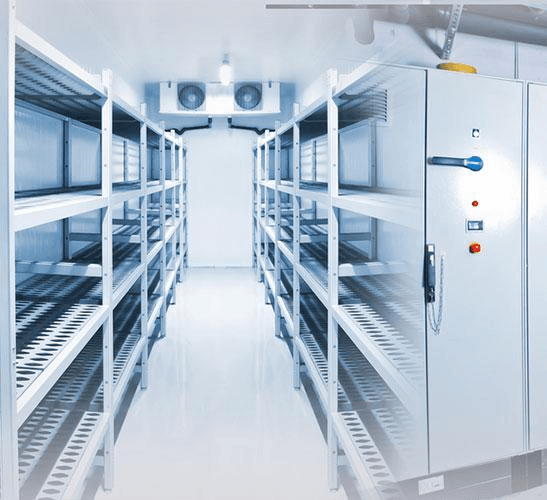
Refrigeration & Cold Storage
Food safety in catering is non-negotiable. You need reliableRefrigeration Equipment that meets Dubai Municipality standards.
- Reach-In Refrigerators for ingredient storage
- Reach-In Freezers for frozen proteins and batch-cooked items
- Work Top Chiller for prep line efficiency
- Blast Chiller — critical for catering; rapidly cools cooked food to safe temperatures before transport
- Undercounter Refrigerators for saving floor space in compact kitchens
🛒 : Protect your food and your reputation — shop professionalRefrigeration Equipment for your catering kitchen at Al Razana.
Food Preparation Equipment
Speed and consistency at the prep stage determine how efficiently you can serve large numbers.
- Food Preparation Equipment including food processors and mixers
- Food Slicers for uniform slicing of cold cuts and vegetables
- Kitchen Hand Tools for daily operations
- Kitchen Supplies — containers, measuring tools, and serving accessories
🛒 : Build a high-efficiency prep line withFood Preparation Equipment — explore the full range at Al Razana.
Stainless Steel Fabrication & Work Surfaces
Custom stainless steel work surfaces, shelving, and sinks are the backbone of any professional catering kitchen.
- Stainless Steel Equipment for prep tables and shelving
- Stainless Steel Fabrication for custom kitchen fit-outs tailored to your space
🛒 : Get custom-built Stainless Steel Fabrication solutions for your catering kitchen — contact Al Razana today.
Dishwashing & Hygiene Equipment
In a catering environment, fast and thorough dishwashing keeps operations moving.
- Undercounter Dishwashers for compact kitchens
- Hood Dishwashers for medium-volume operations
- Conveyor Dishwashers for large-scale catering events with high volume
🛒 : Keep your kitchen clean and compliant with commercialDishwasher Equipment — browse options at Al Razana.
Step 4: Build Your Menu and Pricing Strategy
Once your kitchen is operational, your menu is your sales tool. A well-designed catering menu is specific enough to show expertise but flexible enough to accommodate client needs.
Designing a Winning Catering Menu
Focus on what you do best. Trying to offer everything dilutes your brand. If you specialize in Middle Eastern cuisine, own that. If your strength is corporate box lunches, make them exceptional.
Build for scalability. Every dish on your menu should be producible in batches of 50, 100, or 500 without losing quality. If a recipe doesn’t scale, it doesn’t belong on a catering menu.
Account for dietary requirements. In Dubai’s multicultural environment, always offer halal-certified options (which is standard), vegetarian alternatives, and ideally gluten-free or vegan options.
Pricing Your Catering Services
Pricing in catering follows a cost-plus model with market validation:
| Cost Component | Typical % of Selling Price |
| Food cost | 28–35% |
| Labour | 20–30% |
| Overheads (kitchen, transport) | 15–20% |
| Profit margin | 20–30% |
Research your competitors thoroughly. Corporate lunch packages in Dubai typically range from AED 35–80 per person. Wedding catering can range from AED 150 to AED 500+ per person depending on the service level.
Step 5: Transportation and Event Logistics
The difference between a kitchen caterer and a field caterer is logistics. How you transport food, maintain temperatures, and set up at a venue defines your professionalism.
Food Transport Requirements
Dubai Municipality requires food to be transported in:
- Insulated food-grade containers
- Temperature-controlled vehicles for items requiring refrigeration
- Sealed, labelled packaging with preparation and expiry times
Food Holding and Warming Line equipment is essential for keeping prepared food at safe serving temperatures during transport and at the event venue.
🛒 : Maintain food safety from kitchen to event with ourFood Holding and Warming Line equipment.
Step 6: Hire and Train Your Team
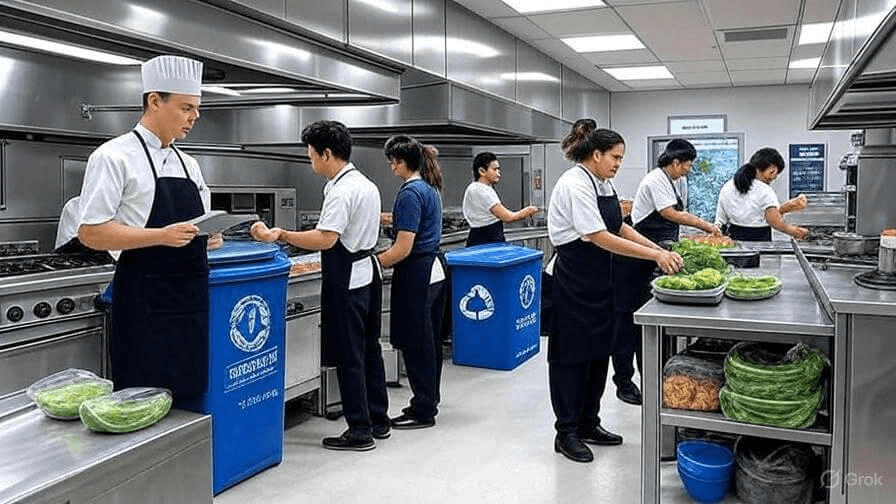
For catering, your team is your product. No amount of great food will save you from a staff member who handles food improperly or a server who creates a poor guest experience.
Key Roles to Fill
- Head Chef / Sous Chef: Responsible for kitchen production
- Food Safety Officer: Ensures compliance with Dubai Municipality standards
- Catering Coordinators / Event Managers: Client-facing roles managing logistics
- Wait Staff / Servers: For full-service events
- Drivers: For transport and delivery
Staff Certifications
All food handling staff in Dubai must possess:
- Food Safety Training Certificate (Level 1 or 2 depending on role)
- Valid UAE residency visa
- Health clearance certificate
Step 7: Marketing Your Catering Business in Dubai
You can have the best food in Dubai and still struggle without a clear marketing strategy. Here’s how to build visibility and attract your first clients when you start a catering business in Dubai.
Digital Marketing Essentials
Google Business Profile: Set this up immediately. When someone searches “catering company near me in Dubai,” your profile needs to appear.
Instagram and TikTok: Dubai’s food culture is highly visual. High-quality photos and short videos of your dishes, events, and behind-the-scenes content build trust and generate organic leads.
Website with SEO: A professional website targeting keywords like start catering business Dubai and specific cuisine searches ensures long-term organic traffic.
WhatsApp Business: In the UAE, WhatsApp is the primary communication tool for B2B and B2C. Set up a business account with automated responses and a product catalogue.
Offline Marketing
- Partner with event planners and wedding coordinators
- List your business with Dubai venue directories
- Attend hospitality trade shows (like Gulfood)
- Offer free tasting events for corporate prospects
Step 8: Managing Food Safety and Dubai Municipality Compliance
Once you’re operating, staying compliant is an ongoing responsibility, not a one-time checkbox.
Key Compliance Areas
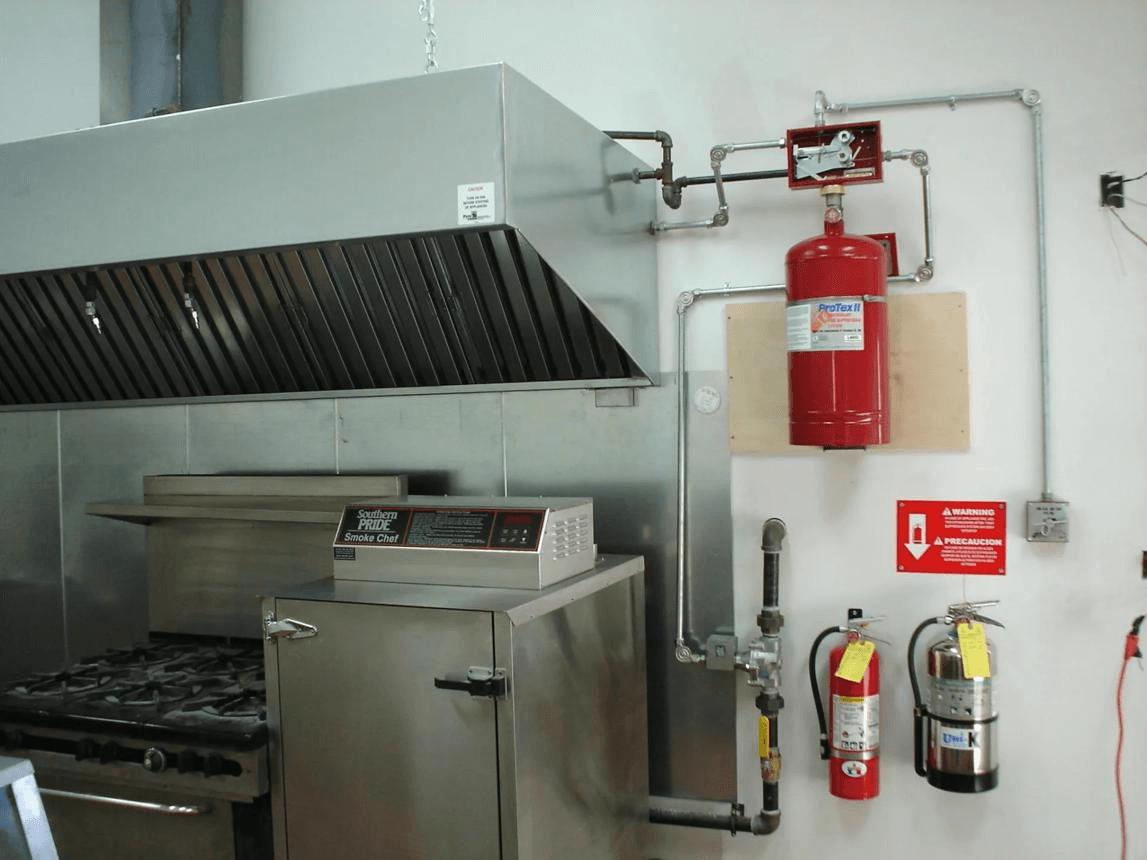
HACCP (Hazard Analysis and Critical Control Points): Dubai Municipality requires catering businesses to implement a documented HACCP plan. This means identifying every point in your food production process where contamination could occur and documenting your controls.
Regular inspections: Dubai Municipality conducts unannounced inspections. Maintain hygiene standards every single day, not just when you expect a visit.
Food labelling: All pre-packaged items you distribute must comply with UAE food labelling regulations including ingredients, allergens, and nutritional information.
Step 9: Financial Planning — The Numbers Behind a Catering Business
Understanding your finances is what separates a sustainable catering business from one that closes after six months.
Startup Cost Estimate
| Item | Estimated Cost (AED) |
| Trade license & setup | 15,000–25,000 |
| Kitchen rental (6 months deposit) | 30,000–60,000 |
| Commercial kitchen equipment | 80,000–200,000 |
| Initial food inventory | 10,000–20,000 |
| Vehicle (lease or purchase) | 20,000–40,000 |
| Marketing & branding | 10,000–20,000 |
| Staff recruitment & training | 15,000–30,000 |
| Total Estimate | 180,000–395,000 |
Breaking Even
Most well-managed catering businesses in Dubai reach break-even within 12–18 months. The key accelerator is securing at least one or two recurring corporate contracts early on — these provide predi ble cash flow that allows you to cover overheads while you grow your event business.
Delivering Your First Event: A Checklist
The moment of truth. Here’s a condensed checklist for your first catering event:
2 weeks before:
- Confirm guest count and dietary requirements
- Finalize menu and source all ingredients
- Confirm staffing levels
- Arrange transport and equipment
48 hours before:
- Begin batch cooking where safe
- Confirm venue access times
- Verify all equipment is operational
- Conduct final staff briefing
Day of event:
- Temperature check all cold storage
- Pack transport containers with labelled items
- Arrive at venue with buffer time
- Set up serving area before guest arrival
- Monitor food temperatures throughout service
- Conduct thorough cleanup
After the event:
- Send a follow-up message to the client
- Request a Google or social media review
- Document what worked and what to improve
Frequently Asked Questions
How much does it cost to start a catering business in Dubai?
The total startup cost to start a catering business in Dubai typically ranges from AED 180,000 to AED 400,000 depending on kitchen setup, equipment, and licensing. A basic trade license alone costs AED 15,000–25,000, with commercial kitchen equipment adding AED 80,000–200,000.
What license do I need to start a catering business in Dubai?
You need a Catering Services trade license issued by the Dubai Department of Economic Development (DED) or the relevant free zone authority. You’ll also need a food handling permit and kitchen approval from Dubai Municipality.
Can a foreigner own a catering business in Dubai?
Yes. With recent UAE business ownership reforms, foreigners can own 100% of a catering business in many categories on the mainland, and always in free zones.
How long does it take to get a catering license in Dubai?
With all documents ready, the licensing process can be completed in 2–4 weeks for a mainland license. Free zone registrations can be faster, sometimes within one week.
Do I need a commercial kitchen to start catering in Dubai?
Yes. Dubai Municipality requires all licensed catering businesses to operate from an approved commercial kitchen. Home kitchens are not permitted for commercial food production.
What are the food safety requirements for catering in Dubai?
All food handlers must hold valid Food Safety Certificates. Your kitchen must be HACCP-compliant and pass Dubai Municipality inspections. Food must be transported in approved temperature-controlled containers.
Can I run a catering business from a cloud kitchen in Dubai?
Yes. Renting space in a cloud kitchen is an increasingly popular and cost-effective way to start a catering business in Dubai without the high upfront cost of building your own kitchen.
What is the most profitable catering niche in Dubai?
Wedding and luxury event catering commands the highest margins. Corporate meal plans offer the most consistent revenue. Specialty health-focused catering (vegan, organic) is growing rapidly.
How do I get my first catering client in Dubai?
Start with your personal network. Offer to cater a small event at cost in exchange for testimonials and photographs. Build a strong Instagram presence with professional food photography, and register on local event directories.
Do I need VAT registration for my catering business in Dubai?
VAT registration is mandatory if your annual turnover exceeds AED 375,000. Voluntary registration is possible below this threshold and can be beneficial for B2B businesses reclaiming input VAT.
What equipment do I need to start a catering business in Dubai?
Essential equipment includes commercial ovens, cooking ranges, fryers, refrigerators, blast chillers, food preparation equipment, and dishwashers. Visit Al Razana’s Restaurant Kitchen Equipment for a complete selection.
Is catering business profitable in Dubai?
Yes, when properly managed. Gross margins in catering range from 30–40%, with the most successful businesses averaging net profits of 15–25% after overheads.
Conclusion: Your Journey to Start a Catering Business in Dubai Begins Today
Dubai’s catering industry rewards those who prepare, plan, and execute with precision. From choosing the right business model and navigating the licensing process, to building a fully equipped commercial kitchen and delivering a flawless first event — every step in this guide brings you closer to a sustainable, profitable business.
The opportunity is real. The demand is growing. And with the right setup, the right equipment, and the right strategy, you can build a catering company that serves hundreds of clients and thousands of guests every year.
If you’re ready to start a catering business in Dubai, don’t wait for perfect conditions. Start planning today. Get your licensing process moving. Invest in professional-grade kitchen equipment from trusted suppliers. And commit to delivering food quality that speaks louder than any advertisement.
🛒 Ready to equip your catering kitchen? Explore the full range of commercial kitchen equipment atAl Razana — fromCommercial Ovens andCooking Equipment toRefrigeration andDishwasher Equipment — everything you need to launch your catering business under one roof.
Share this guide with a friend who’s thinking of starting their own catering venture, drop your questions in the comments below, and explore more of our resources for food business owners across the UAE.