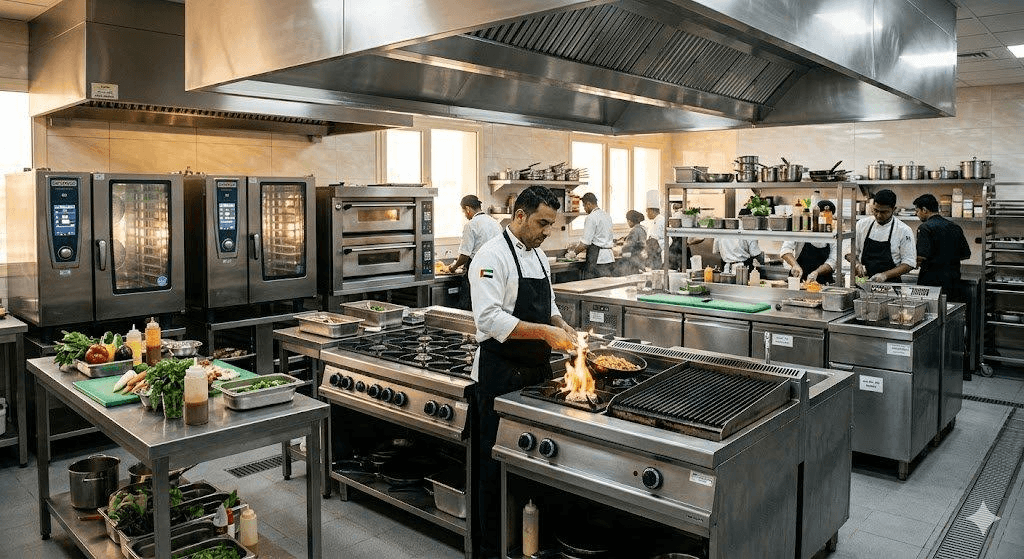
Lease vs Buy Kitchen Equipment UAE: Which Option Is Best for Your Business?
8 June 2026
Starting a restaurant, café, cloud kitchen, bakery, hotel kitchen, or catering business involves countless decisions. One of the most important financial decisions is whether to lease or buy commercial kitchen equipment.
Many business owners focus exclusively on the initial cost of equipment. However, the real decision extends far beyond the purchase price.
The choice between leasing and buying affects:
- Cash flow
- Operational flexibility
- Business scalability
- Equipment upgrades
- Long-term ownership costs
- Maintenance planning
- Expansion opportunities
For hospitality businesses across the UAE, there is no universal answer. The right decision depends on business goals, operational strategy, available capital, growth plans, and the type of kitchen operation being developed.
This is why successful restaurant owners evaluate equipment decisions as part of a broader business strategy rather than simply comparing upfront costs.
At Al Razana Kitchen Equipment, businesses frequently seek guidance on selecting the most suitable equipment investment approach. Because Al Razana provides complete commercial kitchen solutions—including design, planning, equipment supply, installation, fabrication, maintenance, and consultancy—the discussion often begins with a larger question:
What type of kitchen operation are you building for the next several years?
Understanding that answer often reveals whether leasing or purchasing makes the most sense.
Why Kitchen Equipment Decisions Have Long-Term Financial Consequences
Commercial kitchen equipment is the operational backbone of every hospitality business.
From food preparation and refrigeration to cooking and storage systems, equipment directly impacts:
- Service quality
- Operational efficiency
- Staff productivity
- Energy consumption
- Maintenance requirements
- Customer satisfaction
Because these systems influence daily operations, the decision to lease or buy should never be made based solely on short-term affordability.
Equipment Decisions Affect Business Growth
A poorly planned equipment strategy can create challenges later.
These challenges may include:
- Expansion limitations
- Higher maintenance expenses
- Technology gaps
- Workflow inefficiencies
- Unexpected replacement costs
A strategic equipment plan supports long-term operational success.
Understanding Equipment Leasing in the UAE
Leasing allows businesses to use equipment through scheduled payments rather than purchasing assets outright.

This approach has become increasingly attractive for startups and growing hospitality businesses.
Instead of allocating a large portion of startup capital to equipment purchases, businesses can distribute costs over time.
Why Some Businesses Choose Leasing
Leasing is often attractive because it can:
- Preserve working capital
- Reduce initial investment requirements
- Improve short-term cash flow
- Support rapid startup launches
- Provide upgrade opportunities
For new restaurant owners, preserving liquidity during the early stages of operation can be particularly valuable.
Leasing May Support Faster Market Entry
Many hospitality businesses prioritize opening quickly and generating revenue as soon as possible.
By reducing initial capital commitments, leasing may allow operators to allocate more resources toward:
- Marketing
- Staffing
- Branding
- Inventory
- Customer experience improvements
This flexibility can be beneficial for businesses entering competitive markets.
Understanding Equipment Ownership
Purchasing commercial kitchen equipment involves acquiring the equipment as a business asset.
Ownership provides complete control over equipment usage, maintenance decisions, and replacement timelines.
Many established hospitality businesses prefer ownership because it aligns with long-term operational planning.
Benefits of Ownership
Owning equipment can provide:
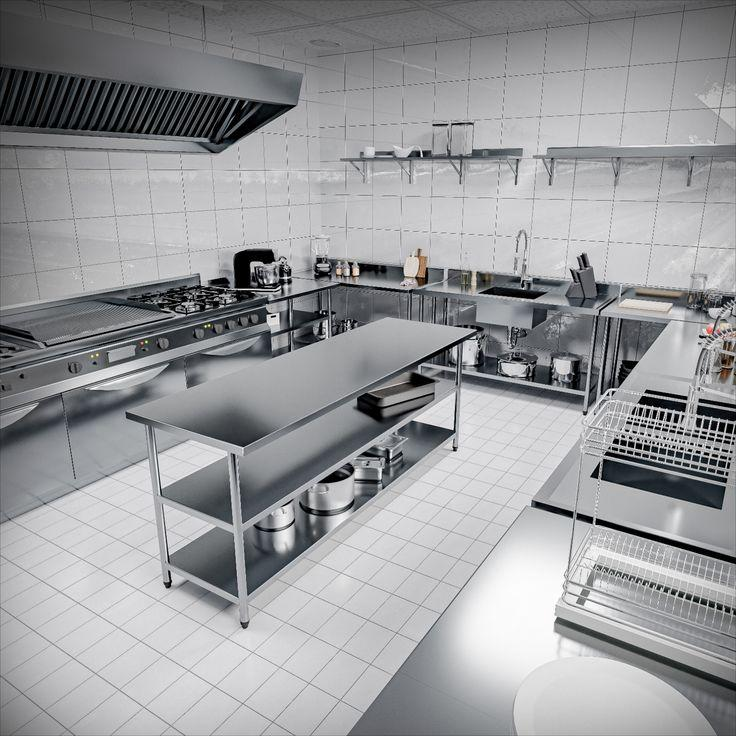
- Greater long-term value
- Full asset control
- No ongoing lease restrictions
- Long-term operational stability
- Increased flexibility for customization
Businesses planning long operational lifecycles often find ownership attractive because equipment remains available long after financing obligations end.
Why the Real Decision Is Not About Cost Alone
One of the biggest misconceptions in hospitality project planning is that leasing is always cheaper.
The reality is more complex.
Similarly, ownership is not always the most financially efficient choice.
The better question is:
Which option best supports your business model?
A growing café may prioritize flexibility.
A hotel kitchen may prioritize long-term ownership.
A catering company may require scalable equipment solutions.
Each scenario requires a different evaluation.
How Cash Flow Influences Equipment Decisions
Cash flow is one of the most important considerations when evaluating lease versus buy kitchen equipment UAE decisions.
Strong cash flow provides operational flexibility.
Limited cash flow increases risk.
Why Cash Flow Matters
Hospitality businesses regularly face expenses related to:
- Rent
- Payroll
- Marketing
- Utilities
- Inventory
- Licensing
- Maintenance
Reducing financial pressure during early growth stages can sometimes be more valuable than immediate ownership.
Looking Beyond Initial Costs
Many restaurant owners focus exclusively on startup budgets.
However, successful operators evaluate how equipment decisions affect future operational stability.
The objective is not simply acquiring equipment.
The objective is building a sustainable business.
The Role of Commercial Kitchen Design in Equipment Planning
Equipment decisions should never happen independently from kitchen planning.
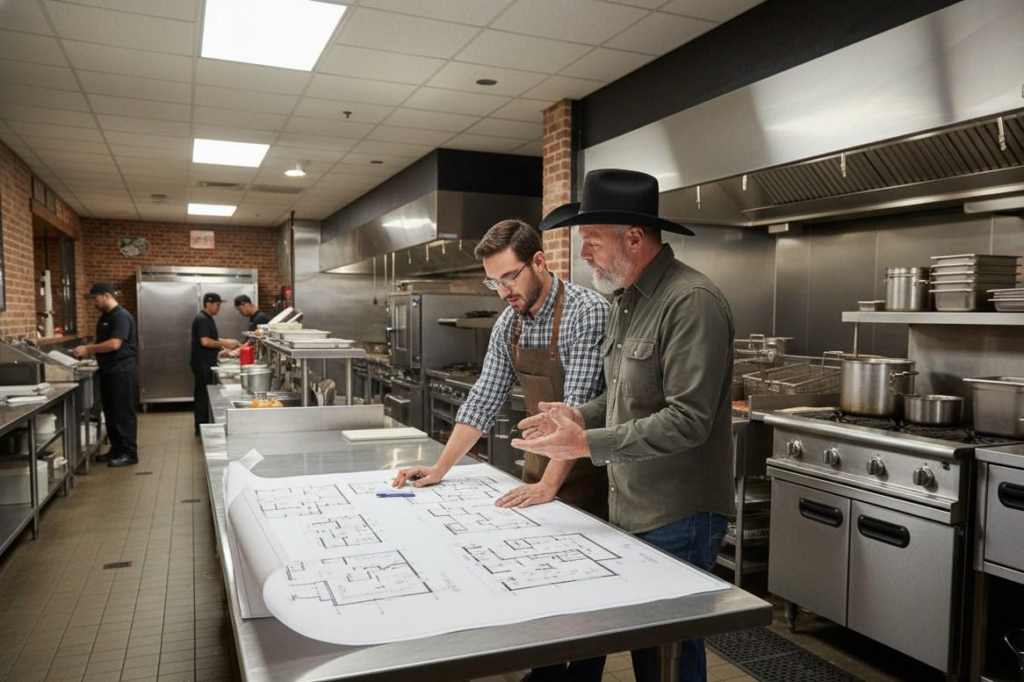
Unfortunately, many businesses select equipment before evaluating workflow requirements.
This often creates operational inefficiencies.
Why Design Comes First
Commercial kitchen design determines:
- Equipment placement
- Staff movement
- Food preparation flow
- Storage accessibility
- Safety compliance
When equipment planning begins with kitchen design, businesses are better positioned for long-term efficiency.
Al Razana’s Approach to Equipment Selection
Rather than simply selling products, Al Razana Kitchen Equipment begins with understanding operational requirements.
This includes:
- Business concept evaluation
- Menu analysis
- Workflow planning
- Space optimization
- Equipment recommendations
This approach helps clients avoid costly purchasing mistakes.
Which Equipment Categories Are Usually Better to Buy?
Certain equipment categories often provide greater value through ownership.
These are typically core operational assets that remain essential throughout the life of the business.
Cooking Equipment
Examples include:
- Commercial ranges
- Ovens
- Grills
- Fryers
These systems often remain central to operations for many years.
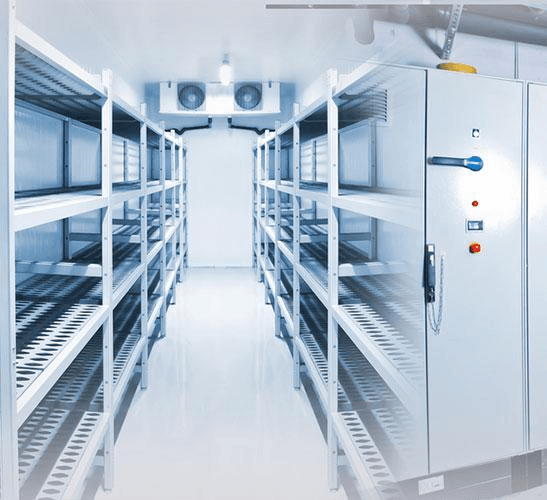
Refrigeration Systems
Commercial refrigeration equipment frequently represents a long-term operational necessity.
Reliable refrigeration supports:
- Food safety
- Inventory management
- Operational continuity
Stainless Steel Fabrication
Custom stainless steel work is often highly specific to the facility.
Examples include:
- Work tables
- Shelving systems
- Preparation stations
- Storage units
These installations are generally integrated into the kitchen environment.
Infrastructure-Based Equipment
Equipment connected directly to facility operations is often better viewed as a long-term investment.
Which Equipment Categories May Benefit From Leasing?
Some equipment categories evolve more rapidly than others.
In these cases, flexibility may become a valuable consideration.
Technology-Driven Equipment
Equipment with rapidly changing features may benefit from upgrade flexibility.
Specialty Coffee Equipment
Certain cafés prefer maintaining access to newer coffee technologies as customer expectations evolve.
Seasonal Expansion Equipment
Businesses with fluctuating demand may occasionally prefer flexible equipment strategies.
Pilot Business Concepts
New concepts still validating market demand may prioritize operational flexibility before committing to long-term ownership.
Why Scalability Matters for Growing Hospitality Businesses
Many hospitality businesses underestimate future growth requirements.
A kitchen that meets today’s needs may become insufficient tomorrow.
Scalable equipment planning helps reduce future disruption.
Growth Considerations Include
- Additional menu categories
- Higher customer volume
- Multiple locations
- Catering operations
- Expanded production requirements
Equipment strategy should support growth rather than limit it.
Why Turnkey Commercial Kitchen Projects Create Better Financial Outcomes
One of the most overlooked cost factors in hospitality projects is coordination inefficiency.
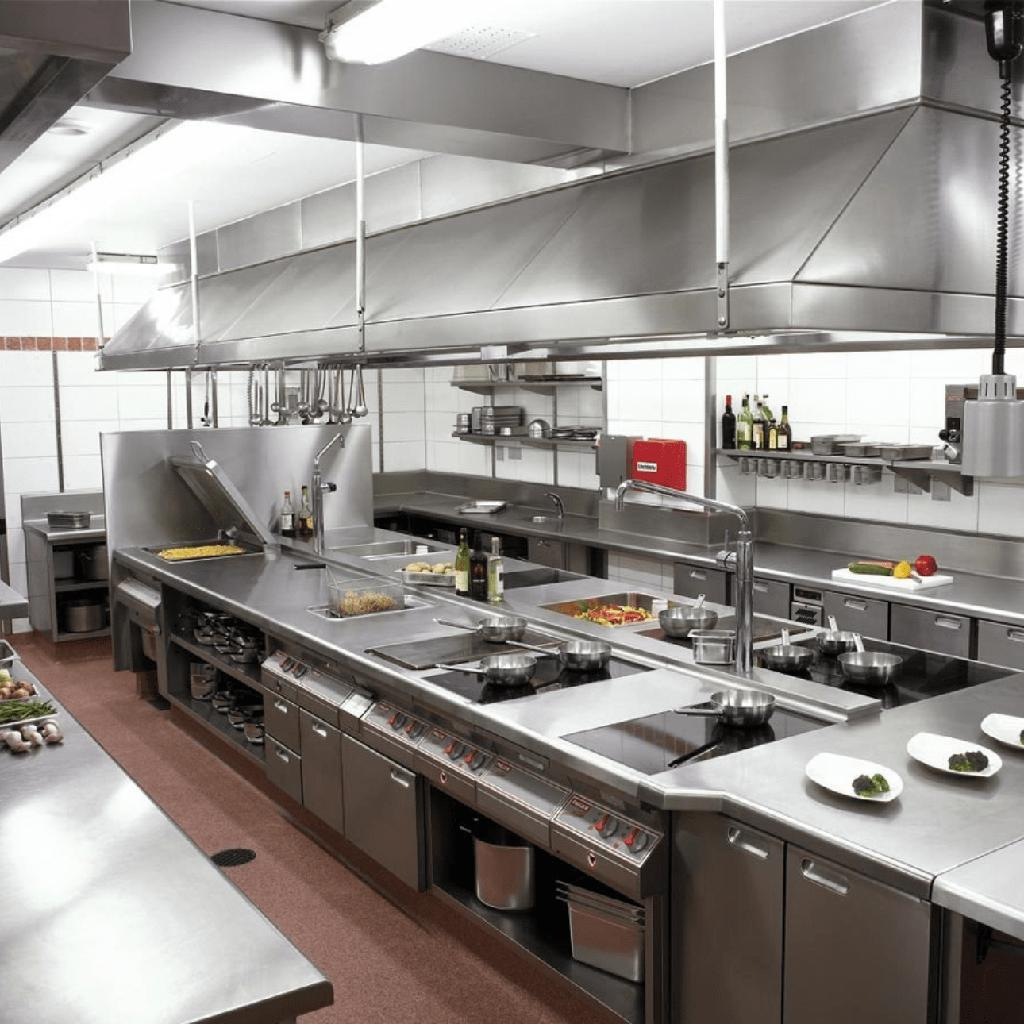
When multiple vendors manage separate aspects of a project, businesses often face:
- Delays
- Communication gaps
- Installation issues
- Design conflicts
- Budget overruns
Turnkey project delivery reduces these risks.
What Turnkey Solutions Include
- Design
- Planning
- Procurement
- Installation
- Fabrication
- Project management
- Technical support
This integrated approach frequently improves both operational and financial outcomes.
How Al Razana Kitchen Equipment Helps Businesses Make Smarter Investment Decisions
Al Razana Kitchen Equipment works with restaurants, cafés, bakeries, hotels, and foodservice businesses across the UAE.
The company’s role extends far beyond supplying equipment.
Al Razana helps businesses evaluate:
- Operational requirements
- Growth objectives
- Facility constraints
- Equipment performance expectations
- Project scalability
By understanding the complete business model, more informed investment decisions become possible.
This approach reduces unnecessary spending while improving long-term operational efficiency.
Comparing Lease vs Buy Kitchen Equipment UAE: A Strategic Decision Framework
The smartest hospitality businesses do not evaluate leasing and buying based solely on monthly costs.
Instead, they compare each option against long-term business objectives.
A restaurant preparing for long-term operation may have very different priorities than a startup café testing a new concept.
This is why equipment decisions should always be aligned with business strategy.
Leasing May Be More Suitable When
Leasing is often considered when businesses want:
- Greater financial flexibility
- Lower upfront capital requirements
- Faster market entry
- Easier equipment upgrades
- Capital preservation for growth initiatives
For operators launching a new concept, flexibility can be an important advantage during the early stages of business development.
Buying May Be More Suitable When
Ownership often becomes attractive when businesses prioritize:
- Long-term operational stability
- Full control over equipment assets
- Facility customization
- Long-term value creation
- Predictable operational planning
For established restaurants, hotels, and institutional kitchens, ownership frequently aligns with long-term investment strategies.
Why Equipment Lifecycle Matters More Than Initial Cost
Many hospitality businesses make equipment decisions based primarily on purchase price.
However, the true cost of equipment extends throughout its operational life.
A complete evaluation should consider:
- Performance reliability
- Maintenance requirements
- Energy efficiency
- Replacement cycles
- Downtime risks
- Upgrade requirements
The cheapest equipment is not always the most economical solution.
Similarly, the most expensive equipment is not always the most suitable investment.
The goal is selecting solutions that support operational objectives.
Looking Beyond the Purchase Decision
Successful hospitality businesses evaluate equipment as part of a broader operational ecosystem.
Equipment influences:
- Service speed
- Product consistency
- Staff productivity
- Customer satisfaction
- Business scalability
This is why professional consultation often provides significant long-term value.
Maintenance Costs and Their Impact on Equipment Ownership
Maintenance is frequently overlooked during the purchasing process.
Yet maintenance plays a critical role in long-term operational performance.
Whether equipment is leased or owned, ongoing maintenance remains essential.
Why Preventive Maintenance Matters
Preventive maintenance helps businesses:
- Reduce unexpected downtime
- Improve equipment reliability
- Extend operational lifespan
- Maintain product quality
- Avoid emergency repair situations
For busy hospitality operations, equipment reliability directly influences customer experience.
Maintenance Should Be Part of the Original Plan
Many operators wait until equipment problems occur before considering maintenance programs.
This reactive approach often creates unnecessary operational disruptions.
Instead, maintenance planning should begin during project development.
Al Razana Kitchen Equipment supports hospitality businesses through maintenance planning, technical support, installation services, and operational consulting designed to maximize equipment performance.
The Hidden Value of Upgrade Flexibility
The hospitality industry evolves continuously.
Customer expectations change.
Menu concepts evolve.
Technology improves.
Businesses that remain adaptable often gain competitive advantages.
When Flexibility Becomes Important
Upgrade flexibility can be valuable for:
- Specialty coffee concepts
- Rapidly growing restaurant brands
- Technology-driven foodservice operations
- Expanding hospitality groups
The ability to adapt equipment strategies may support future growth opportunities.
Balancing Stability and Flexibility
Every business must determine the balance between:
- Long-term ownership
- Operational adaptability
The ideal solution depends on business objectives rather than generic financial rules.
How Equipment Decisions Affect Commercial Kitchen Design
Equipment strategy and kitchen design should always work together.
Unfortunately, many projects treat them as separate decisions.
This often creates inefficiencies that become expensive later.
Equipment Selection Shapes Kitchen Performance
Every major equipment decision influences:
- Workflow
- Storage capacity
- Production speed
- Staff movement
- Cleaning procedures
- Maintenance accessibility
A well-planned kitchen integrates equipment selection into the overall design process.
Why Design-Led Planning Creates Better Results
Commercial kitchen design UAE projects that begin with operational planning often achieve:
- Better productivity
- More efficient workflows
- Improved space utilization
- Enhanced employee performance
- Better customer experiences
These benefits contribute directly to long-term profitability.
Why Turnkey Kitchen Projects Reduce Financial Risk
Many hospitality businesses underestimate the complexity of commercial kitchen projects.
Managing multiple contractors, suppliers, and service providers can create challenges.
Common issues include:
- Project delays
- Design conflicts
- Installation errors
- Equipment compatibility problems
- Budget overruns
Turnkey project delivery helps reduce these risks.
Advantages of Working With a Single Project Partner
An integrated project approach supports:
- Better communication
- Faster project execution
- Improved accountability
- More consistent quality
- Stronger operational outcomes
This is why many hospitality businesses prefer complete commercial kitchen solutions rather than fragmented purchasing approaches.
Commercial Kitchen Design UAE: The Foundation of Smarter Investments
Before deciding whether to lease or buy, businesses should first evaluate operational requirements.
Commercial kitchen design plays a critical role in this process.
A strategic design plan helps identify:
- Required equipment categories
- Workflow priorities
- Future growth opportunities
- Space utilization goals
- Operational constraints
Without proper planning, businesses risk investing in solutions that fail to support long-term objectives.
Planning Before Purchasing
The most successful projects follow a structured process:
- Concept Development
- Operational Planning
- Kitchen Design
- Equipment Selection
- Procurement
- Installation
- Maintenance Planning
This sequence helps ensure that investment decisions support operational success.
Why New Restaurant Owners Often Make Expensive Equipment Mistakes
Launching a restaurant is exciting.
However, excitement sometimes leads to rushed purchasing decisions.
Many first-time operators encounter avoidable challenges.
Purchasing Before Planning
Buying equipment before completing kitchen design often creates workflow problems.
Choosing Equipment Based on Price Alone
Low-cost equipment may not deliver the performance required for commercial environments.
Ignoring Future Growth
Some businesses purchase equipment based solely on current demand without considering future expansion.
Overlooking Maintenance Requirements
Equipment support should be evaluated before purchase decisions are finalized.
Working With Multiple Vendors
Fragmented project management frequently creates coordination challenges.
Why Al Razana Kitchen Equipment Helps Businesses Make Better Long-Term Decisions
Al Razana Kitchen Equipment works with hospitality businesses throughout the UAE to deliver more than equipment.
The company helps businesses build complete operational ecosystems.
Commercial Kitchen Design
Creating kitchens optimized for productivity and growth.
Kitchen Planning & Consultancy
Helping operators make informed decisions before investing.
Equipment Supply
Providing commercial kitchen equipment UAE businesses trust.
Kitchen Equipment Installation
Ensuring professional implementation and operational readiness.
Stainless Steel Fabrication
Delivering customized solutions designed around workflow requirements.
Maintenance & Technical Support
Supporting long-term operational performance.
Turnkey Commercial Kitchen Projects
Providing complete project execution from concept to completion.
This comprehensive approach helps businesses reduce costly mistakes while creating stronger foundations for long-term success.
The Future of Hospitality Equipment Investment in the UAE
The UAE hospitality industry continues to evolve.
Restaurants, cafés, hotels, cloud kitchens, and catering operations are becoming increasingly sophisticated.
As competition grows, operational efficiency becomes more important.
Successful businesses are focusing on:
- Smarter kitchen layouts
- More efficient workflows
- Better equipment utilization
- Long-term maintenance planning
- Scalable infrastructure
The decision to lease or buy should support these broader objectives.
Rather than asking which option is universally better, business owners should ask which option best supports their vision.
Conclusion
When evaluating lease vs buy kitchen equipment UAE decisions, there is no one-size-fits-all answer.
The right approach depends on business goals, growth plans, operational requirements, cash flow priorities, and long-term strategy.
Leasing may provide flexibility and preserve capital during growth stages.
Ownership may provide long-term value, stability, and asset control.
However, the most important factor is not the financing method itself.
It is ensuring that equipment decisions support a well-designed operational strategy.
Businesses that combine professional kitchen planning, commercial kitchen design, equipment selection, installation, maintenance, and long-term operational consulting are often better positioned for sustainable growth.
As a trusted provider of complete commercial kitchen solutions, Al Razana Kitchen Equipment helps hospitality businesses across the UAE navigate these decisions through design, planning, procurement, fabrication, installation, maintenance, consultancy, and turnkey project delivery.
Whether launching a new restaurant, expanding a café, developing a hotel kitchen, or building a large-scale foodservice operation, the right equipment strategy begins with the right project partner.
Frequently Asked Questions
Is leasing commercial kitchen equipment better than buying?
Neither option is universally better. The best choice depends on business goals, available capital, growth plans, and operational requirements.
Why do some restaurant owners prefer leasing?
Leasing may provide greater flexibility, preserve cash flow, and reduce initial capital commitments during startup phases.
Why do established restaurants often purchase equipment?
Many established businesses value long-term ownership, asset control, and operational stability.
Which kitchen equipment is typically better to buy?
Core operational equipment such as cooking systems, refrigeration units, and custom stainless steel fabrication often support long-term ownership strategies.
How does commercial kitchen design affect equipment investment decisions?
Kitchen design helps determine equipment requirements, workflow needs, space utilization, and future scalability before purchasing decisions are made.
What is a turnkey commercial kitchen project?
A turnkey project includes design, planning, procurement, installation, fabrication, project management, and operational support under one coordinated solution.
Why is maintenance important when evaluating equipment costs?
Maintenance influences reliability, downtime risk, operational efficiency, and equipment lifespan, making it a key component of total ownership costs.
What role does Al Razana Kitchen Equipment play in hospitality projects?
Al Razana provides commercial kitchen design, consultancy, equipment supply, installation, fabrication, maintenance, and turnkey kitchen solutions for hospitality businesses across the UAE.
Can kitchen equipment decisions affect restaurant profitability?
Yes. Equipment performance influences productivity, workflow efficiency, service quality, energy consumption, and customer satisfaction.
Why should restaurant owners seek professional equipment consultation?
Professional consultation helps align equipment investments with operational goals, reducing costly mistakes and supporting long-term business growth.