
Kitchen Staff Equipment Safety Training UAE: Complete Guide for Restaurants
7 May 2026
Imagine it’s a busy Friday evening in a bustling Dubai restaurant. The kitchen is at full capacity — fryers sizzling, grills roaring, and a dozen staff members rushing between stations. Then, without warning, a deep fryer overheats and causes a minor flash burn on a cook’s arm. The kitchen pauses. The guest experience suffers. And all of it could have been prevented with one simple solution: proper kitchen staff equipment safety training UAE.
In the UAE’s fiercely competitive hospitality and F&B industry, kitchen accidents are not just a liability — they can close your restaurant, revoke your trade license, and, most importantly, seriously injure the people who power your business. Yet the sobering reality is that many restaurant operators across Dubai, Abu Dhabi, and Sharjah still treat safety training as an afterthought, something handed out in a one-page Arabic flyer during onboarding and never revisited.
This guide changes that. Whether you run a small café in Al Barsha or manage the F&B operations of a five-star hotel in DIFC, this comprehensive resource walks you through everything you need to know about kitchen staff equipment safety training UAE — from MOL training card requirements and bilingual SOPs to onboarding schedules, daily equipment checks, and accident reporting frameworks.
Let’s build a safer kitchen, together.
Why Kitchen Staff Equipment Safety Training UAE Is Non-Negotiable
The UAE has one of the most multicultural kitchen workforces in the world. Walk into any commercial kitchen in the country and you’ll find team members from India, Pakistan, the Philippines, Egypt, Nepal, and beyond — each bringing different language backgrounds, safety cultures, and previous training experiences. This diversity is a strength, but it also makes structured, formal kitchen staff equipment safety training UAE absolutely essential.
According to the UAE Ministry of Human Resources and Emiratisation (MOHRE), employers are legally required to provide a safe working environment and proper training for all employees handling hazardous equipment. Kitchen equipment — from industrial slicers and commercial fryers to high-pressure steamers and combi ovens — qualifies as hazardous machinery under UAE occupational health and safety (OHS) standards.
Beyond legal compliance, the business case is equally compelling. Kitchens that implement structured safety training programs see measurable reductions in:
• Equipment downtime caused by operator error
• Staff injury claims and associated compensation costs
• Food contamination incidents linked to improper equipment use
• Costly equipment damage due to misuse or neglect
• High staff turnover driven by unsafe working conditions
The Cost of Ignoring Safety Training
A single kitchen accident in a UAE restaurant can trigger a cascade of consequences: MOHRE investigation, potential fines under Federal Law No. 8 of 1980 and its amendments, reputational damage on review platforms, and the very real human cost of a staff member’s injury or disability. This is why forward-thinking restaurant operators treat kitchen staff equipment safety training UAE not as a cost, but as a core business investment.
👉 Ready to equip your kitchen safely? Explore Commercial Kitchen Equipment UAE
Understanding MOL Training Card Requirements for Kitchen Staff in the UAE
What Is the MOL Training Card?
The Ministry of Labour (MOL) — now known as MOHRE — training card system is a key component of workforce compliance in the UAE. While training cards are most commonly associated with the construction sector, the MOL training card requirements extend to F&B and hospitality workers in certain Emirates and free zones, particularly where workers handle industrial-grade kitchen machinery.
In practical terms, a MOL training card certifies that a worker has completed an approved occupational safety training program. For restaurant kitchen staff in the UAE, this often intersects with:
• Food Handler Certificates issued by Dubai Municipality or Abu Dhabi Public Health Centre
• Occupational Health & Safety Training required under MOHRE regulations
• Equipment-specific certifications for staff operating heavy machinery like industrial slicers, commercial fryers, or combi ovens
read more : High Volume Catering Kitchen Management UAE: How to Handle 500+ Guests
Who Needs MOL Training Compliance?
Any restaurant, hotel kitchen, catering company, or cloud kitchen operating in the UAE with 5 or more employees is expected to maintain documented training records for all kitchen staff. This includes:
• Head chefs and sous chefs
• Line cooks and prep cooks
• Dishwashing and cleaning staff who operate commercial dishwashers
• F&B supervisors responsible for equipment oversight
How to Stay MOL Compliant in Your Restaurant Kitchen
Maintaining compliance requires a structured approach. Here is a step-by-step framework:
1. Inventory all kitchen equipment and identify which items require operator training
2. Assign training responsibility to a head chef, kitchen manager, or dedicated safety officer
3. Create documented training records for every piece of major equipment
4. Obtain food handler certifications for all staff from the relevant municipality
5. Conduct annual refresher training to keep certifications valid
6. Store records digitally and physically for inspection readiness
👉 Train your staff on compliant equipment — View Cooking Equipment Range UAE
Arabic vs English SOPs: Building Bilingual Safety Procedures for UAE Kitchens
One of the most overlooked aspects of kitchen staff equipment safety training UAE is language. A safety procedure written only in English will be understood by perhaps 30–40% of your kitchen team. A procedure in Arabic alone may exclude South Asian staff. The solution? Bilingual — and sometimes trilingual — Standard Operating Procedures (SOPs).
Why Arabic vs English SOPs Matter
The UAE’s kitchen workforce is overwhelmingly made up of non-native English speakers. Arabic is the official language of the UAE and is spoken by Emirati staff, Arab expatriates, and many Arabic-speaking managers. However, the majority of kitchen workers in UAE restaurants come from India, Pakistan, Sri Lanka, Bangladesh, and the Philippines — meaning Urdu, Hindi, Tagalog, or Sinhala may be their most comfortable language.
Creating Arabic vs English SOPs is not just a best practice — it is a legal and ethical responsibility. MOHRE guidelines encourage employers to communicate safety information in languages understood by their workers. Bilingual SOPs ensure that every team member, regardless of their language background, understands how to operate kitchen equipment safely.
How to Structure Bilingual Kitchen SOPs
Here is a recommended structure for effective bilingual safety SOPs:
• Header Section: Equipment name in English and Arabic (e.g., ‘Commercial Fryer — مقلاة تجارية’)
• Hazard Identification: Clear icons and color coding alongside text in both languages
• Step-by-Step Operating Instructions: Numbered steps with parallel English/Arabic columns
• Emergency Procedures: Bold, high-contrast formatting for emergency shutdown instructions
• Reporting Protocol: Who to contact, phone numbers, in both languages
Practical SOP Template Example: Commercial Fryer
A bilingual SOP for a commercial fryer should cover: pre-operation check (oil level, temperature gauge function), safe startup sequence, safe operating temperature range (160–190°C), proper food insertion technique to avoid oil splash, shutdown procedure, and post-operation cleaning protocol — all written in parallel English and Arabic columns.
read more : Hotel Kitchen Operating Cost Reduction UAE: How F&B Managers Save 20%
Digital vs Printed SOPs: What Works Best in UAE Kitchens?
Many progressive UAE restaurant operators are moving to digital SOP management systems — wall-mounted tablets or QR codes on equipment that link to video SOPs. This approach works particularly well for multilingual teams, as video demonstrations transcend language barriers. However, printed backup copies must always be available near each piece of equipment for emergency reference.
👉 Equip your kitchen with industry-leading fryers — Shop Commercial Fryers UAE
Daily Equipment Checks: The Foundation of Kitchen Safety Training UAE
No element of kitchen staff equipment safety training UAE is more immediately impactful than establishing a rigorous daily equipment check routine. A five-minute pre-shift inspection can prevent hours of downtime, costly repairs, and potential injuries.
What Is a Daily Equipment Check?
A daily equipment check (also called a pre-operation inspection or pre-shift check) is a structured visual and functional assessment of every piece of kitchen equipment before it is used for service. These checks are documented, signed off by a responsible team member, and retained as part of the restaurant’s maintenance and safety records.
Daily Check Checklist by Equipment Category
Cooking Equipment — Daily Safety Checks
• Commercial Ranges & Ovens: Check burner ignition, gas connections for leaks, oven door seals, and temperature calibration
• Commercial Fryers: Inspect oil level and quality, thermostat function, heating element, safety cutoff switch, and basket condition
• Charbroilers & Grills: Check grate condition, grease trap cleanliness, ignition system, and ventilation
• Bain Marie & Steam Equipment: Inspect water levels, heating element, temperature gauges, and lid seals
Refrigeration Equipment — Daily Safety Checks
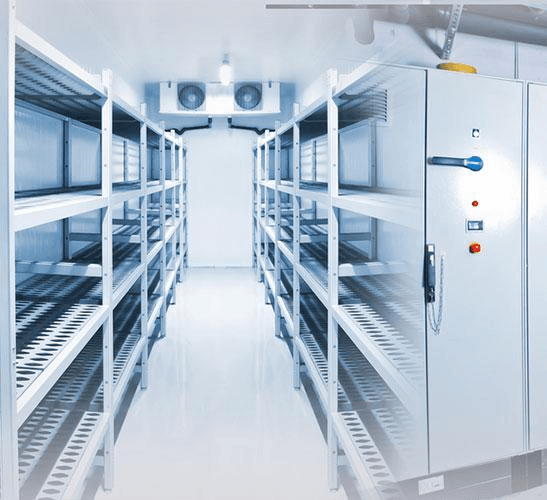
• Walk-In Refrigerators & Freezers: Check door seal integrity, internal temperature logs, condenser coil cleanliness, and alarm systems
• Undercounter & Worktop Chillers: Verify temperature stability, compressor function, and door gasket condition
• Ice Machines: Check ice quality, scoop hygiene, interior cleanliness, and water filter status
Food Preparation Equipment — Daily Safety Checks
• Commercial Food Slicers: Inspect blade sharpness and guard integrity, check blade lock mechanism, verify cleaning compliance
• Food Processors & Mixers: Check bowl and attachment security, inspect power cord, verify speed controls
• Dishwashing Machines: Check wash temperature (minimum 60°C), rinse temperature (minimum 82°C), detergent and rinse aid levels
Documenting Daily Equipment Checks
Documentation is the difference between a safety culture and a safety checkbox exercise. Each daily check should be logged on a standardized form that includes: date, time, equipment name, check items completed, any faults found, action taken, and the name and signature of the person completing the check. These records should be filed and available for inspection by Dubai Municipality, Abu Dhabi DED, or MOHRE inspectors.
👉 Browse durable stainless steel kitchen equipment — Explore Stainless Steel Kitchen Equipment UAE
👉 Equip your cold storage with professional refrigeration solutions — View Refrigeration Equipment UAE
Accident Reporting in UAE Restaurant Kitchens: A Step-by-Step Framework
Even the best kitchen staff equipment safety training UAE program cannot eliminate all risk. Accidents happen. What separates a professionally managed kitchen from a reactive one is having a clear, practiced accident reporting protocol that kicks in immediately when something goes wrong.
The UAE Legal Framework for Workplace Accidents
Under Federal Law No. 8 of 1980 (UAE Labour Law) and its amendments, employers are legally obligated to report workplace injuries to MOHRE within a specified timeframe. Serious injuries must be reported within 48 hours. Fatalities must be reported immediately. Failure to report can result in significant fines and legal liability.
The 5-Step Accident Reporting Protocol for UAE Kitchens
7. Immediate Response (0–5 minutes): Ensure the safety of the injured person. Call for first aid. If serious, call emergency services (999 in UAE). Do not move the injured person unless they are in immediate danger.
8. Scene Preservation (5–15 minutes): Secure the accident area. Do not clean or alter the scene until it has been documented. Take photographs.
9. Incident Documentation (15–60 minutes): Complete the accident report form. Record: date, time, location, equipment involved, nature of injury, witnesses, and immediate cause.
10. Management Notification (within 2 hours): Notify the restaurant manager, HR manager, and if required, the building safety officer. Begin MOHRE reporting process if injury is serious.
11. Root Cause Analysis & Corrective Action (24–72 hours): Investigate what caused the accident. Identify whether it was equipment failure, procedural error, inadequate training, or environmental factors. Implement corrective actions and update SOPs.
What a UAE Kitchen Accident Report Must Include
• Name, nationality, and job title of injured person
• Date, time, and exact location of accident
• Equipment involved and its condition
• Description of the incident and sequence of events
• Nature and severity of injury
• Names and contact details of witnesses
• First aid or medical treatment provided
• Signature of reporting person and line manager
👉 Invest in safer food preparation equipment for your kitchen — Browse Food Preparation Equipment UAE
Building a Kitchen Staff Onboarding Schedule Template for UAE Restaurants
Effective kitchen staff equipment safety training UAE doesn’t happen in isolation — it must be embedded into a structured onboarding process that every new hire goes through, without exception. A well-designed onboarding schedule template ensures that safety training is consistent, documented, and legally defensible.
Why Onboarding Schedule Templates Matter
In many UAE restaurants, new kitchen staff are thrown into service within their first day or two — a practice that is both legally risky and operationally dangerous. Without a structured onboarding period, critical safety information is never communicated, and new staff are left to learn dangerous habits from whoever is nearest on the line.
A formal onboarding schedule template solves this by creating a mandatory, documented pathway that every new kitchen employee must complete before being cleared for independent equipment operation.
read more : Restaurant Kitchen Layout Small Space UAE: How to Plan Under 40 sqm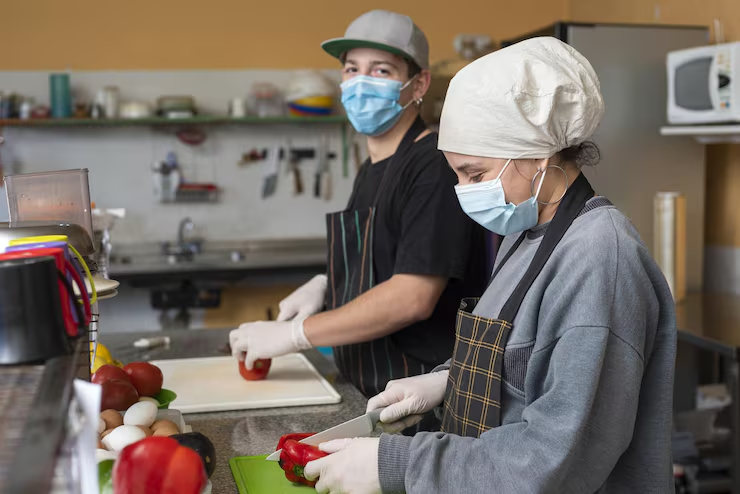
Sample Kitchen Staff Onboarding Schedule Template — UAE
Day 1: Orientation & Facility Familiarization
• Welcome briefing and restaurant overview
• Kitchen layout tour: stations, emergency exits, fire extinguisher locations, first aid kit
• Introduction to kitchen safety rules and personal protective equipment (PPE) requirements
• Distribution and review of employee handbook and safety policy
• Food hygiene and personal hygiene standards review
Day 2: Equipment Safety Overview
• Introduction to kitchen equipment categories and safety hierarchy
• Viewing of equipment safety videos (bilingual Arabic/English)
• Review of bilingual SOPs for all major equipment categories
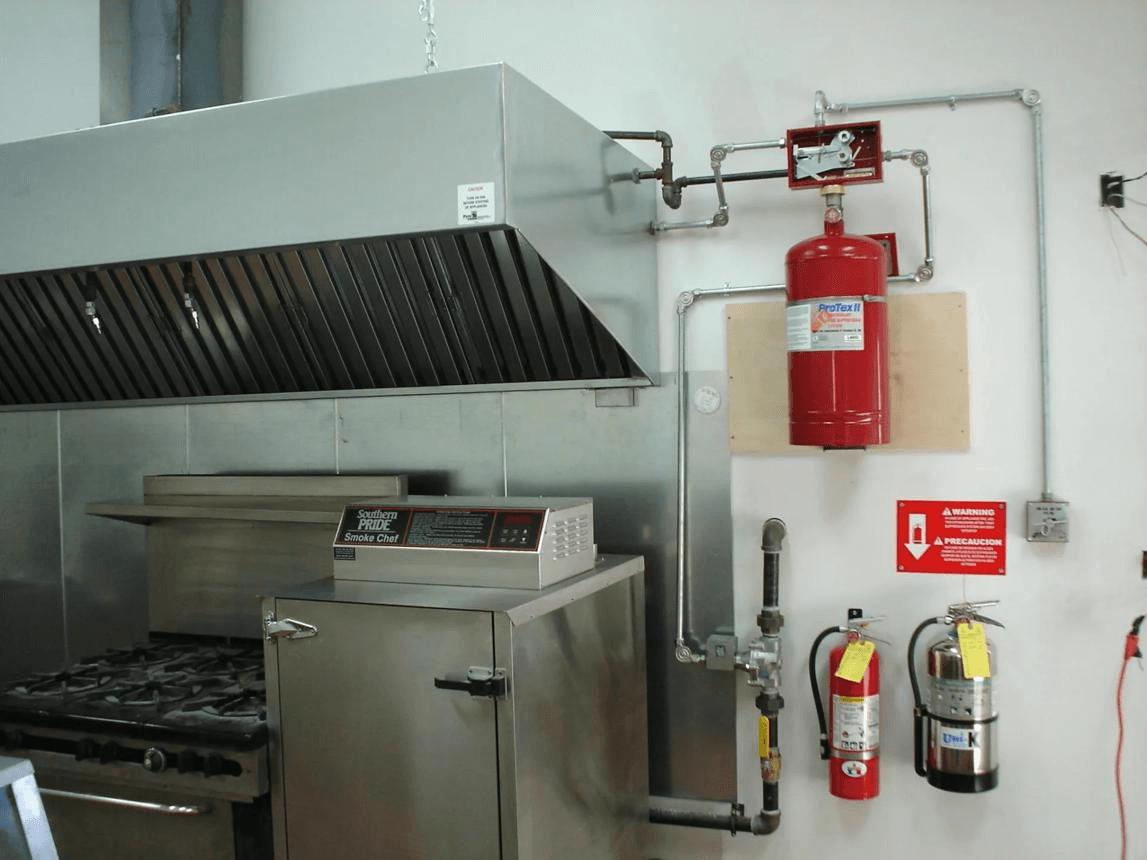
• Fire safety training: use of Class K fire extinguisher, evacuation routes
• Demonstration of emergency shutdown procedures for all equipment
Days 3–5: Supervised Equipment Operation
• Supervised hands-on training on cooking equipment (ranges, fryers, ovens) — no independent operation permitted
• Supervised training on refrigeration equipment and cold chain procedures
• Supervised training on food preparation equipment with emphasis on blade safety
• Supervised training on dishwashing equipment and chemical handling
• Daily equipment check walkthrough with experienced team member
Days 6–10: Independent Operation with Supervision
• New hire completes daily equipment checks independently, supervised by senior staff
• Supervised solo operation of all approved equipment stations
• Review of accident reporting procedures with practical drill
• Assessment and sign-off by head chef or kitchen manager
• Issuance of equipment operation clearance documentation
Ongoing: Monthly Safety Refreshers
• Monthly 30-minute safety briefing covering one equipment category
• Quarterly review of accident reports and near-misses
• Annual full safety refresher and equipment recertification
• Update of training records and MOL compliance documentation
👉 Equip your kitchen with certified commercial ovens — View Commercial Ovens UAE
👉 Upgrade your dishwashing station with professional equipment — Shop Dishwasher Equipment UAE
Kitchen Safety Training: Reactive vs Proactive Approach — Comparison Table
| Factor | Reactive Approach | Proactive Training Program |
| Accident Rate | High — untrained staff make frequent errors | Low — trained staff identify and avoid hazards |
| MOHRE Compliance | Risk of fines and violations | Full documentation and compliance readiness |
| Equipment Lifespan | Shortened by misuse | Extended through proper operation |
| Staff Turnover | High — unsafe environments drive staff away | Lower — staff feel valued and protected |
| Insurance Costs | Higher premiums due to claim history | Lower premiums with safety record |
| Guest Experience | Disrupted by kitchen incidents | Consistent service delivery |
| Legal Liability | High exposure in accident investigations | Documented due diligence reduces liability |
Equipment-Specific Kitchen Staff Safety Training UAE: Category-by-Category Guide
1. Cooking Equipment Safety Training
Cooking equipment represents the highest accident risk category in any commercial kitchen. Burns, fires, and gas-related incidents are the most common cooking equipment injuries. Effective kitchen staff equipment safety training UAE for this category must cover:
• Gas safety awareness: leak detection, emergency shutoff, ventilation requirements
• Burn prevention: proper use of heat-resistant gloves, pan handling techniques, steam awareness
• Fire triangle awareness and kitchen fire prevention
• Safe temperature management and calibration verification
👉 Switch to safer electric cooking with our range — Explore Electric Ranges UAE
2. Refrigeration Equipment Safety Training
Refrigeration equipment safety training focuses on chemical safety (refrigerants), cold injury prevention, and food safety compliance. Staff must understand:
• Correct temperature zones and food storage hierarchy
• Safe handling of refrigerant gases — do not attempt to service refrigerant systems
• Frostbite and cold injury prevention in walk-in freezers
• Correct defrost procedures to prevent ice buildup
👉 Explore professional reach-in refrigerators for your kitchen — View Walk-In Refrigerators UAE
3. Food Preparation Equipment Safety Training
Slicers, mandolines, and food processors are responsible for a significant portion of kitchen lacerations. Training must be extremely detailed and hands-on:
• Never operate slicers without the blade guard in place — no exceptions
• Always use the food pusher/holder — never use bare hands near the blade
• Cut-resistant gloves are mandatory for all slicer operation
• Cleaning protocol: always lock blade at zero before cleaning, use dedicated tools
👉 View professional food slicers with safety features — Shop Food Slicers UAE
4. Dishwashing Equipment Safety Training
Dishwashing operations involve chemical hazards, extreme heat, and ergonomic risks. Key training points include:
• Chemical safety: correct dilution of detergents and sanitizers, MSDS (Material Safety Data Sheet) familiarity
• Burn prevention: hot water and steam hazards in commercial dishwashers
• Ergonomic practices: correct posture and lifting technique for heavy loads
• Temperature verification: confirming wash and rinse temperatures meet food safety standards
👉 Upgrade to professional hood dishwashers for your kitchen — Explore Hood Dishwashers UAE
Kitchen Staff Equipment Safety Training UAE: Building a Safety Culture, Not Just Compliance
The most effective kitchen staff equipment safety training UAE programs go beyond checklists and certifications. They build a genuine safety culture where every team member feels empowered to raise safety concerns, report near-misses, and hold each other accountable — without fear of punishment or dismissal.
The Elements of a True Kitchen Safety Culture
• Leadership Modeling: Head chefs and managers who visibly follow safety procedures inspire their teams to do the same. Culture flows from the top down.
• Open Reporting: Near-miss reporting is as important as accident reporting. Staff must feel safe reporting a close call without fear of blame.
• Recognition: Celebrate safety milestones — 30, 60, 90 days without a recorded accident. Make safety a source of pride.
• Continuous Improvement: Review all accident reports monthly. Use them as learning opportunities, not blame exercises.
• Inclusion: Safety meetings in multiple languages. Translation support for non-English-speaking staff. Visual aids and icons for universal understanding.
Empowering Kitchen Staff to Speak Up
One of the most powerful tools in a UAE kitchen’s safety arsenal is the empowered employee. When a junior cook feels comfortable telling a head chef that a fryer’s thermostat is behaving erratically, accidents are prevented before they happen. This psychological safety requires deliberate cultivation through respectful communication, no-blame reporting culture, and genuine responsiveness to safety concerns.
👉 Stock your kitchen with professional supplies and safety essentials — View Kitchen Supplies UAE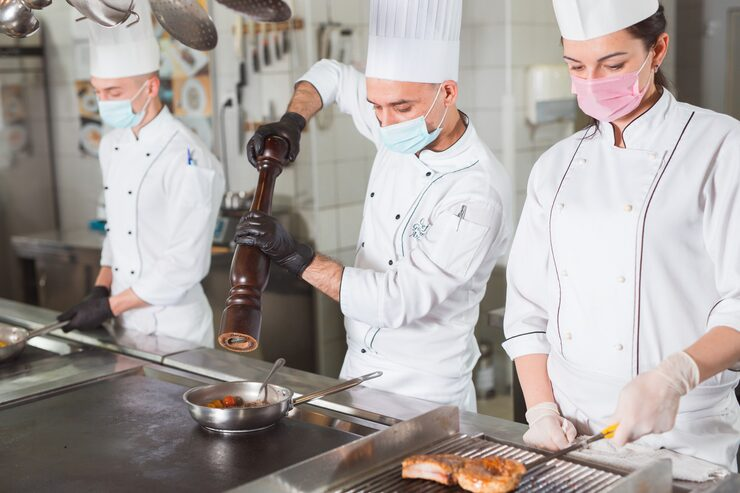
Frequently Asked Questions
What is kitchen staff equipment safety training UAE?
Kitchen staff equipment safety training UAE is a structured program that teaches restaurant and hotel kitchen employees how to safely operate, clean, and maintain commercial kitchen equipment in compliance with UAE MOHRE regulations and Dubai/Abu Dhabi municipality standards. It covers equipment operation, hazard identification, accident reporting, and emergency procedures.
Is kitchen safety training legally required in UAE restaurants?
Yes. Under UAE Federal Labour Law and MOHRE regulations, employers must provide a safe working environment and adequate training for all employees handling hazardous equipment. Kitchen equipment falls under this category. Dubai Municipality also requires food handler certifications for all food-handling staff.
What are MOL training card requirements for kitchen staff in UAE?
MOL (MOHRE) training card requirements for kitchen staff typically include completion of approved occupational safety training, food handler certification from the relevant municipality (Dubai Municipality, ADPHC, etc.), and documented equipment-specific training records. Requirements may vary by Emirate and free zone.
Should kitchen SOPs be in Arabic or English in UAE?
Ideally, kitchen SOPs should be bilingual — in both Arabic and English — to ensure comprehension across the diverse UAE kitchen workforce. For kitchens with large South Asian workforces, adding Urdu or Hindi versions is also recommended. Visual icons and video SOPs further enhance accessibility.
How often should daily equipment checks be done in a UAE commercial kitchen?
Daily equipment checks should be conducted at the start of every shift, before any equipment is used for service. In high-volume operations with multiple shifts, a check should be completed at the beginning of each shift. Records must be documented and signed by the responsible staff member.
How do I report a kitchen accident in UAE?
Immediately ensure the injured person’s safety and call for first aid (or emergency services at 999 for serious injuries). Document the scene with photographs. Complete an accident report form within the same shift. Notify management within 2 hours. For serious injuries, notify MOHRE within 48 hours as required by UAE labour law.
What should a kitchen staff onboarding schedule template include?
A UAE kitchen onboarding schedule template should cover: Day 1 (orientation, safety rules, facility tour), Day 2 (equipment safety overview, bilingual SOP review, fire safety), Days 3-5 (supervised equipment operation), Days 6-10 (independent operation with oversight, assessment), and ongoing monthly safety refreshers.
What PPE is required for kitchen staff in UAE?
Required PPE for UAE kitchen staff typically includes: non-slip closed-toe shoes, heat-resistant gloves for cooking equipment, cut-resistant gloves for slicing equipment, aprons, hair nets or chef’s hats, and eye protection where chemical cleaning agents are used. Some municipalities require face masks during food preparation.
How do I make kitchen safety training effective for non-English speaking staff?
Use bilingual (Arabic/English) written SOPs, video training with visual demonstrations, translated safety signage, multilingual safety briefings with interpreter support where needed, and color-coded visual aids. Regular practical hands-on training in small groups also overcomes language barriers effectively.
What is the most dangerous equipment in a commercial kitchen?
The highest-risk equipment categories in commercial kitchens are: commercial fryers (burn and fire risk), food slicers and mandolines (laceration risk), commercial ranges and ovens (burn and gas risk), and high-pressure steam equipment (scalding risk). Proper training on each category is essential.
Conclusion: Building a Safer, Smarter Kitchen in the UAE
The foundation of any successful restaurant or hotel kitchen operation in the UAE is not just great food — it’s a safe, well-trained team that understands how to work with commercial kitchen equipment responsibly. Kitchen staff equipment safety training UAE is the bridge between compliance and excellence, between risk and resilience.
From ensuring MOL training card requirements are met and developing comprehensive Arabic vs English SOPs, to implementing rigorous daily equipment checks and crystal-clear accident reporting protocols — every element of your safety program contributes to a kitchen that runs better, lasts longer, and treats its people right.
The onboarding schedule template and training frameworks outlined in this guide are not theoretical ideals — they are practical, implementable systems that UAE restaurants of every size and cuisine can adopt starting today.
If you found this guide valuable, share it with your F&B management team, leave a comment below with your biggest kitchen safety challenge, and explore our related resources on commercial kitchen equipment, maintenance, and restaurant operations.
And remember: a safe kitchen is a productive kitchen. Invest in your team’s safety today, and it will pay dividends in performance, compliance, and reputation for years to come.
👉 Ready to build your safe, professional kitchen? Explore All Restaurant Kitchen Equipment UAE
👉 Browse our complete range of commercial cooking equipment — View Cooking Equipment UAE👉 Find the right refrigeration for your operation — Shop Refrigeration Solutions UAE