
Hotel Kitchen Operating Cost Reduction UAE: How F&B Managers Save 20%
28 April 2026
Imagine walking into your hotel kitchen at the start of another busy week in Dubai or Abu Dhabi, glancing at last month’s cost report, and feeling that familiar knot in your stomach. Energy bills through the roof. Food waste eating into your margins. Overtime creeping up on the payroll. For F&B managers across the Emirates, this is not a rare scenario — it is a daily reality. The question every hospitality professional is asking is: how do you achieve genuine hotel kitchen operating cost reduction UAE-wide without compromising food quality, guest experience, or team morale?
The UAE’s hospitality industry is one of the most competitive in the world. With thousands of hotel properties ranging from boutique boutique establishments in Ras Al Khaimah to iconic five-star towers in Downtown Dubai, the pressure on F&B teams to deliver exceptional food while keeping costs under control has never been greater. Operating costs in hotel kitchens typically consume 28–35% of total F&B revenue — an enormous figure that, even with modest reductions, can translate into hundreds of thousands of dirhams saved annually.
The good news? Experienced F&B directors across the UAE are proving that a 20% reduction in hotel kitchen operating costs is not just a dream — it is an achievable target with the right strategy, the right equipment, and a culture of operational excellence. In this comprehensive guide, we will walk you through every lever you can pull to make it happen.
Understanding the True Cost Structure of Hotel Kitchen Operations in the UAE
Before you can reduce costs, you need to know precisely where your money is going. Hotel kitchen operating cost reduction UAE-focused strategies must begin with a detailed cost audit. In most UAE hotel kitchens, costs break down into four primary categories: food and beverage costs (typically 28–32% of F&B revenue), labor costs (25–35%), energy and utility costs (5–8%), and maintenance and equipment costs (3–6%). Each of these categories offers distinct opportunities for savings.
Many F&B managers make the mistake of treating these categories in isolation. The real magic happens when you look at how they interact. For example, investing in energy-efficient commercial ovens may increase your capex slightly but will reduce your energy bill substantially while also improving cook consistency, which in turn reduces food waste. Understanding these interdependencies is essential to a holistic hotel kitchen operating cost reduction UAE strategy.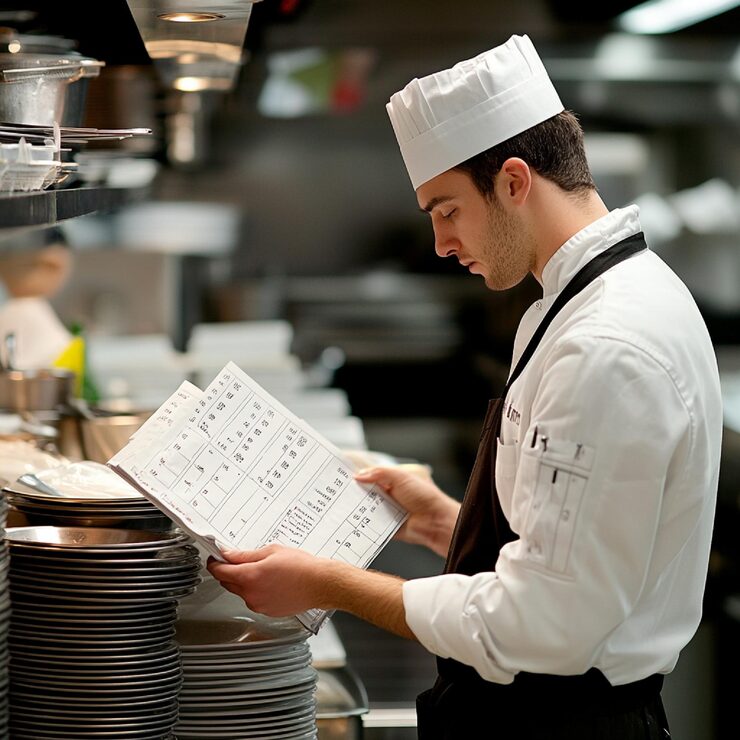
Food Cost: Your Single Biggest Opportunity
Food cost is the largest controllable expense in any hotel kitchen. In the UAE, where premium ingredients are often imported and prices fluctuate with global supply chains, controlling food cost requires a combination of smart procurement, strict portion control, and sophisticated inventory management. Hotels that have implemented real-time inventory tracking systems report food cost reductions of 10–15% within the first six months.
Portion control is another critical lever. A single gram overpoured on every plate across a 400-cover banquet hall adds up to thousands of dirhams per month. Standardized recipes, digital scales, and regular training sessions on portioning discipline are non-negotiable components of any hotel kitchen operating cost reduction UAE initiative.
🔪 Achieve precise portion control with the right tools:Explore Professional Food Preparation Equipment
Labor Cost: Scheduling for Efficiency
Labor is the most complex cost to manage because it involves people, not just numbers. In the UAE, hotel kitchens often run on split shifts to cover breakfast, lunch, and dinner services, which can lead to significant idle time and overtime accumulation. Data-driven scheduling — where staffing levels are matched precisely to forecasted covers — can reduce labor costs by 8–15% without any reduction in service quality.
Cross-training kitchen staff is another powerful strategy. When team members can move fluidly between stations — from cold prep to hot line to pastry — you need fewer bodies on the schedule during off-peak periods. Many leading UAE hotels have implemented cross-training programs as a core element of their hotel kitchen operating cost reduction UAE agenda.
read more : Restaurant Kitchen Layout Small Space UAE: How to Plan Under 40 sqm
Energy Efficiency: The Hidden Frontier of Hotel Kitchen Operating Cost Reduction UAE
Energy costs in UAE hotel kitchens are among the highest in the world. Air conditioning needs to counteract the intense heat generated by cooking equipment — creating an almost paradoxical energy loop where the harder your kitchen works, the more both your cooking equipment and your HVAC system consume. Tackling hotel kitchen operating cost reduction UAE through energy efficiency requires both equipment upgrades and behavioral change.
Upgrading to Energy-Efficient Cooking Equipment
The single most impactful step most UAE hotel kitchens can take is replacing aging, inefficient equipment with modern, energy-rated alternatives. A commercial kitchen running decade-old conventional ovens may be consuming 30–40% more energy than necessary. Modern combi ovens and convection ovens, for instance, use precise heat management to cook food faster and more evenly, dramatically cutting energy consumption per meal produced.
♨️ Upgrade your oven fleet and cut energy costs:Browse Combi Ovens for Your Hotel Kitchen
🔥 Discover convection solutions built for high-volume hotels:Explore Energy-Efficient Convection Ovens
The ROI of Combi Oven Investment
The return on investment for combi oven upgrades in UAE hotel kitchens is well-documented. These units combine steam and convection cooking, allowing chefs to produce more consistent results with less shrinkage — which directly reduces food cost. Many UAE hotels report complete payback on combi oven investment within 18–24 months purely from energy and food waste savings.
Smart Refrigeration and Cold Chain Management
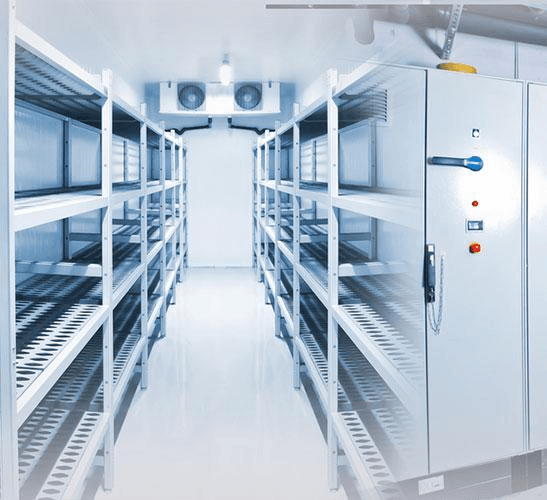
Refrigeration is another major energy consumer in hotel kitchens. Older refrigeration units often run inefficiently, especially in the UAE’s extreme ambient temperatures. Upgrading to modern reach-in refrigerators, undercounter chillers, and blast chillers not only cuts energy consumption but also dramatically improves food safety and extends the usable life of expensive ingredients — a direct contribution to hotel kitchen operating cost reduction UAE.
❄️ Upgrade your cold storage for maximum efficiency:Shop Reach-In Refrigerators
🧊 Protect your ingredients and reduce waste with a professional blast chiller: Discover Blast Chillers for Your Hotel
Cook and Hold Technology: A Game Changer for Hotel Banqueting
One of the most underutilized tools in hotel kitchen cost management is cook and hold equipment. These units allow teams to cook large batches during off-peak hours and hold them at precise serving temperatures, dramatically improving energy utilization (since equipment runs during cheaper off-peak periods) and labor efficiency (since prep can be done in advance). For hotel kitchens serving banquets and large F&B outlets simultaneously, cook and hold ovens can be transformative.
⏱️ Maximize prep efficiency with cook and hold technology:Explore Cook and Hold Ovens
Hotel Kitchen Cost Reduction: Traditional vs. Optimized Approach
The following comparison table illustrates the difference between traditional and optimized approaches to hotel kitchen operating cost reduction UAE-wide:
| Cost Area | Traditional Approach | Optimized Approach | Savings Potential |
| Energy | No monitoring | Smart meters + efficient equipment | 15–25% |
| Food Waste | Manual tracking | Inventory software + FIFO | 10–20% |
| Labor | Fixed staffing | Demand-based scheduling | 8–15% |
| Maintenance | Reactive repair | Preventive maintenance | 20–30% |
| Procurement | Spot buying | Bulk + contract purchasing | 10–18% |
Food Waste Reduction: The Most Direct Path to Hotel Kitchen Operating Cost Reduction UAE
Food waste is, quite literally, money in the bin. In UAE hotel kitchens, food waste can account for 4–10% of total food costs — an astonishing figure when you consider that some hotel properties spend millions of dirhams per year on ingredients. A disciplined approach to waste reduction is therefore one of the fastest routes to meaningful hotel kitchen operating cost reduction UAE.
Implementing FIFO and Inventory Control Systems
First In, First Out (FIFO) is the foundational principle of kitchen inventory management, yet it is violated more often than most F&B managers would like to admit. In busy hotel kitchens, the pressure of service often leads to staff grabbing the nearest ingredient rather than the oldest one. Digital inventory systems that track expiry dates and generate automated alerts have transformed FIFO compliance in forward-thinking UAE hotels, reducing food waste by up to 20%.
The right food holding and warming equipment also plays a crucial role. By keeping prepared foods at precise temperatures, you extend their service life without compromising safety — meaning less food is discarded after service periods.
🍽️ Keep your food service-ready and reduce waste:Browse Food Holding and Warming Line Equipment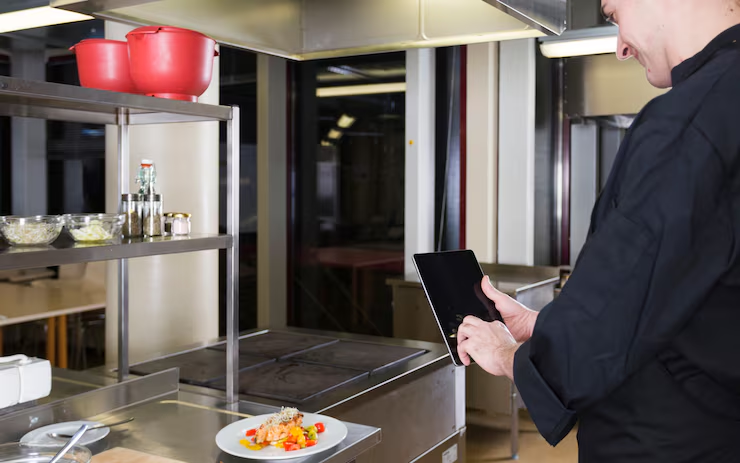
Menu Engineering for Cost Efficiency
Smart menu engineering is another powerful weapon in the hotel kitchen operating cost reduction UAE arsenal. By analyzing your menu mix data and identifying which dishes have low food cost percentages and high popularity, you can gently shift your offering toward more profitable items. Eliminating or reworking low-margin, high-waste items can simultaneously reduce costs and simplify kitchen operations.
Cross-Utilization of Ingredients
Top hotel executive chefs in the UAE design menus where ingredients are used across multiple dishes. This cross-utilization strategy ensures that expensive proteins, specialty produce, and imported items are fully utilized rather than partially used and discarded. For example, a whole fish purchased for one evening’s feature dish might have its trim used in a sauce, its bones for a stock, and its skin crisped for a garnish — zero waste, maximum value.
Equipment Maintenance: Protecting Your Investment and Reducing Hotel Kitchen Operating Costs in UAE
Preventive maintenance is one of the most overlooked aspects of hotel kitchen operating cost reduction UAE. Equipment that is not regularly serviced operates at reduced efficiency — consuming more energy, producing less consistent results, and eventually failing at the worst possible moment (always during a busy service, never at a convenient time). The cost of a single emergency equipment failure during a major banquet can exceed the annual cost of a comprehensive preventive maintenance program.
Building a Preventive Maintenance Schedule
A robust preventive maintenance schedule for a UAE hotel kitchen should cover all major equipment categories: commercial ovens, refrigeration units, cooking ranges, dishwashers, and smallwares. Each category has different maintenance intervals and requirements, but the principle is the same — scheduled inspection and servicing prevents expensive failures and maintains energy efficiency.
🔧 Invest in quality equipment built to last — browse our complete collection:Explore Our Full Range of Restaurant Kitchen Equipment
The Role of Stainless Steel Equipment in Longevity
In the harsh UAE environment — with its extreme heat, humidity, and intensive operational demands — material quality matters enormously. Stainless steel equipment is the gold standard for hotel kitchens because of its durability, ease of cleaning, corrosion resistance, and long service life. Investing in high-quality stainless steel equipment upfront reduces the frequency and cost of replacements — a key element of long-term hotel kitchen operating cost reduction UAE.
🏗️ Build your kitchen with durable stainless steel — explore our range:Shop Stainless Steel Kitchen Equipment
⚙️ Need custom-built solutions? Explore our stainless steel fabrication options:Custom Stainless Steel Fabrication Solutions
Dishwashing and Sanitation: Reducing Water and Chemical Costs
Dishwashing and sanitation may seem like a minor cost center, but in large UAE hotel kitchens processing thousands of covers per day, the water, energy, and chemical costs associated with warewashing can be substantial. Modern dishwasher equipment — particularly conveyor and hood-type machines — offer dramatic efficiency improvements over older models, using significantly less water per rack and incorporating heat recovery systems that reduce energy consumption.
🫧 Handle high volumes efficiently with a conveyor dishwasher:Explore Conveyor Dishwashers for High-Volume Operations
✨ Professional hood dishwashers for fast, hygienic results:Browse Hood Dishwashers for Your Hotel Kitchen
💧 Space-saving undercounter solutions for hotel kitchens:Undercounter Dishwashers for Flexible Kitchen Layouts
Procurement Strategy: Buying Smarter for Hotel Kitchen Operating Cost Reduction UAE
Procurement — how and what you buy — is a fundamental driver of kitchen costs. The UAE’s position as a global trade hub means that hotel F&B teams have access to an enormous variety of suppliers, but this abundance can actually work against you if not managed strategically. A disciplined procurement strategy is essential to achieving hotel kitchen operating cost reduction UAE targets.
Supplier Consolidation and Contract Pricing
Many hotel kitchens work with dozens of different suppliers, each with different pricing structures, delivery schedules, and minimum orders. Consolidating to a smaller number of strategic supplier relationships allows you to negotiate volume discounts, lock in contract pricing, and reduce the administrative burden of managing multiple accounts. Leading UAE hotel groups have achieved 10–18% reductions in ingredient costs through strategic supplier consolidation.
Seasonal and Local Sourcing
While the UAE imports a large proportion of its food products, there is a growing movement toward local and regional sourcing that can simultaneously reduce costs and improve freshness. UAE-grown hydroponic vegetables, local dairy products, and regionally sourced fish and seafood are increasingly available and often more competitively priced than imported equivalents. Building seasonal and local sourcing into your procurement strategy is a smart component of hotel kitchen operating cost reduction UAE.
Technology and Data: The Future of Hotel Kitchen Operating Cost Reduction UAE
Technology is transforming how the world’s most efficient hotel kitchens operate, and UAE properties are increasingly at the forefront of this revolution. From kitchen management software that tracks real-time food costs against budget, to IoT-enabled equipment that monitors energy consumption and sends maintenance alerts, data-driven management is the new standard for hotel kitchen operating cost reduction UAE.
Kitchen Management Software
Modern kitchen management platforms allow F&B managers to track food costs at the dish level in real time, compare actual versus theoretical costs, identify waste hotspots, and generate automated purchase orders based on par levels. These tools eliminate the lag between a cost problem emerging and a manager being able to identify and fix it — which in a hotel kitchen can mean the difference between a small variance and a serious budget overrun.
IoT-Enabled Equipment Monitoring
Internet of Things (IoT) technology is increasingly being integrated into commercial kitchen equipment. Smart refrigeration units can send alerts when temperatures drift outside safe ranges — preventing both food safety incidents and ingredient losses. Smart ovens can track cooking cycles and alert maintenance teams when efficiency drops. These technologies are no longer the preserve of only the largest luxury hotels; they are becoming accessible to mid-scale properties throughout the UAE seeking hotel kitchen operating cost reduction UAE.
Building a Cost-Conscious Kitchen Culture: The Human Element of Hotel Kitchen Operating Cost Reduction UAE
Strategies, systems, and equipment upgrades are only as effective as the team implementing them. Building a genuine culture of cost consciousness among your kitchen team is perhaps the most important — and most difficult — element of sustainable hotel kitchen operating cost reduction UAE. This requires leadership, communication, training, and recognition.
Staff Training and Engagement
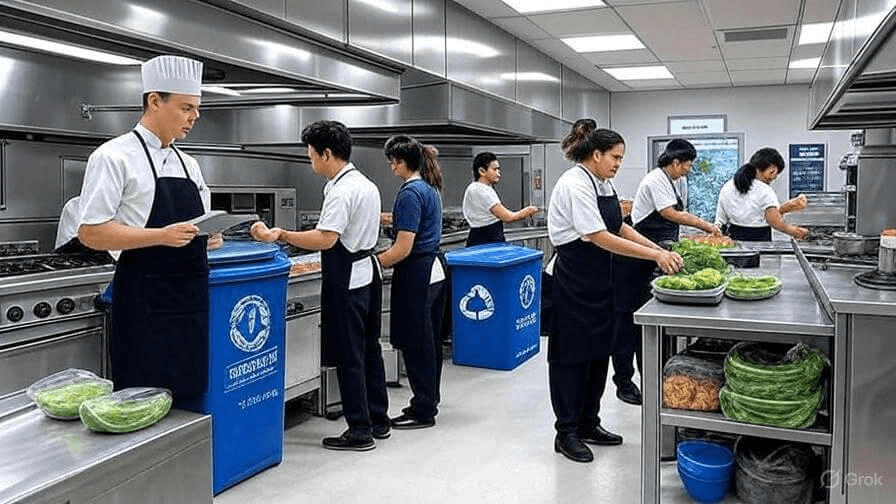
When kitchen team members understand why cost control matters — and how their individual actions contribute to the restaurant’s financial health — they become active participants in the cost reduction journey rather than passive recipients of management directives. Regular training sessions on portioning, waste reduction, energy efficiency, and equipment care, combined with transparent communication about cost performance, create a motivated and cost-aware team.
Incentivizing Cost Performance
Progressive UAE hotel operators are linking team incentives to measurable cost performance improvements. When the kitchen team meets or beats its food cost budget for the month, a portion of the saving is shared back with the team. This simple approach creates powerful alignment between management’s cost objectives and the daily decisions made by every chef and kitchen hand on the team — turning hotel kitchen operating cost reduction UAE into a shared mission.
🛠️ Empower your kitchen team with professional-grade hand tools:Equip Your Team with the Right Kitchen Hand Tools
📦 Stock your hotel kitchen with premium supplies:Explore Kitchen Supplies for Your Hotel
Frequently Asked Questions
What is the average operating cost of a hotel kitchen in the UAE?
The average operating cost of a hotel kitchen in the UAE typically represents 28–35% of total F&B revenue, with food cost accounting for 28–32%, labor for 25–35%, energy for 5–8%, and maintenance for 3–6%. These figures vary significantly based on property size, service level, and menu complexity.
How can UAE hotel kitchens reduce food waste?
UAE hotel kitchens can reduce food waste by implementing FIFO inventory systems, using digital inventory tracking software, standardizing recipes and portions, cross-utilizing ingredients across multiple menu items, and investing in proper food holding and warming equipment to extend the service life of prepared foods.
What equipment upgrades deliver the fastest ROI for hotel kitchen cost reduction?
The fastest ROI for hotel kitchen operating cost reduction UAE typically comes from upgrading to modern combi ovens (18–24 month payback), installing energy-efficient refrigeration, and implementing high-efficiency dishwashers. These investments reduce both energy consumption and food waste simultaneously.
How much can UAE hotels save on energy costs by upgrading kitchen equipment?
UAE hotels upgrading to modern, energy-efficient kitchen equipment typically achieve energy savings of 15–25% per year. In large hotel properties with multiple F&B outlets running simultaneously, this can translate into annual savings of AED 200,000–500,000 or more.
What is the ideal food cost percentage for a UAE hotel kitchen?
The ideal food cost percentage for a UAE hotel kitchen varies by segment: luxury properties typically target 28–32%, mid-scale hotels aim for 25–30%, and budget hotels target 22–26%. Achieving these targets consistently requires robust recipe costing, portion control, and waste management systems.
How does preventive maintenance reduce hotel kitchen operating costs?
Preventive maintenance reduces hotel kitchen operating costs by keeping equipment operating at peak energy efficiency, preventing expensive emergency breakdowns, extending equipment lifespan, and maintaining consistent cooking performance that reduces food waste. Maintenance costs are typically 3–5% of equipment replacement value per year, while emergency repairs can cost 3–5 times more than scheduled maintenance.
What role does stainless steel equipment play in kitchen cost reduction?
High-quality stainless steel equipment contributes to long-term hotel kitchen operating cost reduction UAE by offering superior durability and corrosion resistance in the UAE’s demanding environment, easier cleaning that reduces sanitation labor, and a longer service life that reduces replacement frequency and capital expenditure.
How can hotel F&B managers measure the success of cost reduction initiatives?
F&B managers should measure cost reduction success using key performance indicators including: food cost percentage (actual vs. theoretical), labor cost as a percentage of F&B revenue, energy cost per cover, food waste as a percentage of food purchased, equipment downtime percentage, and overall F&B gross profit margin. Monthly tracking of these KPIs against budget and prior year benchmarks provides clear visibility into progress.
What is the best kitchen management approach for UAE hotels with multiple outlets?
UAE hotels with multiple F&B outlets should implement centralized purchasing and receiving, standardized recipes across outlets, shared prep kitchens where possible, cross-trained staff who can flex between outlets, and unified kitchen management software that provides cost visibility across all outlets simultaneously.
Can small hotel kitchens in the UAE also achieve significant cost reductions?
Absolutely. While large luxury hotels may have more absolute dollars to save, smaller UAE hotel kitchens often have proportionally higher savings potential because their current practices are less formalized. Even a 10% reduction in food cost or energy consumption at a small property can meaningfully improve profitability, and many of the strategies outlined in this guide — such as FIFO implementation, cross-training, and menu engineering — require minimal capital investment.
Conclusion: Your Roadmap to 20% Savings Starts Today
The path to hotel kitchen operating cost reduction UAE is not a single dramatic intervention — it is a systematic approach that touches every aspect of kitchen operations, from the equipment you invest in to the culture you build among your team. The 20% savings target is achievable. Hotels across the Emirates are proving it every day.
The journey begins with understanding your true cost structure, then systematically addressing each cost driver: modernizing your equipment fleet to improve energy efficiency and consistency; implementing rigorous food waste management; optimizing procurement through strategic supplier relationships; leveraging technology and data to replace gut feel with real-time insight; and building a cost-conscious kitchen culture where every team member understands their role in the financial performance of the operation.
Whether you are an F&B director at a major Dubai hotel group or a restaurant manager at a boutique Sharjah property, the principles of hotel kitchen operating cost reduction UAE are universal. The only question is where you will start. We recommend beginning with a comprehensive cost audit, identifying your top three cost reduction opportunities, and making them your priority for the next 90 days.
If you found this guide valuable, please share it with your colleagues in UAE’s hospitality industry, leave a comment with your own cost reduction experiences, and explore our related content on kitchen management, F&B operations, and equipment investment strategy. Your journey to a more profitable, more efficient hotel kitchen starts now.