Hot Food Counter Supermarket UAE ROI: What Retail Operators Need to Know Before Investing
10 June 2026
The supermarket industry in the UAE continues to evolve rapidly.
Modern consumers increasingly expect more than shelves filled with packaged products. They are looking for convenience, ready-to-eat meals, fresh food options, grab-and-go solutions, and high-quality dining experiences within retail environments.
This shift in consumer behavior has led many retailers to explore one important question:
Is investing in a hot food counter a profitable decision for supermarkets in the UAE?
The answer depends on much more than food sales alone.
A successful hot food counter can contribute to:
- Increased customer spending
- Higher visit frequency
- Stronger customer loyalty
- Improved footfall conversion
- Enhanced shopping experiences
- New revenue opportunities
However, profitability depends on careful planning, operational efficiency, food safety compliance, equipment selection, staffing strategies, and workflow design.
For this reason, leading retailers increasingly approach hot food counters as complete foodservice operations rather than simple supermarket additions.
As a provider of complete commercial kitchen solutions, Al Razana Kitchen Equipment supports supermarkets, foodservice businesses, retailers, and hospitality operators through commercial kitchen design, planning, equipment supply, installation, fabrication, maintenance, and turnkey project execution designed to maximize operational performance.
Why Hot Food Counters Are Becoming More Popular in UAE Supermarkets
Consumer expectations have changed dramatically over the past decade.
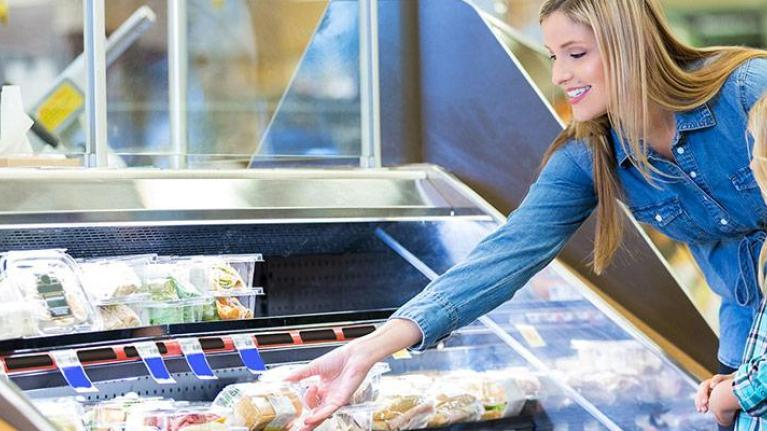
Modern shoppers increasingly prioritize convenience.
Many customers want solutions that help them save time without compromising food quality.
This has created growing demand for:
- Ready-to-eat meals
- Freshly prepared foods
- Grab-and-go options
- Prepared family meals
- Quick lunch solutions
- Fresh deli offerings
As a result, supermarkets have become important foodservice destinations rather than simply grocery stores.
The Rise of Retail Foodservice
Retail foodservice continues to blur the line between restaurants and supermarkets.
Consumers increasingly expect:
- Fresh food
- Professional presentation
- Consistent quality
- Convenient purchasing experiences
Retailers that successfully meet these expectations often gain competitive advantages.
Understanding ROI for Hot Food Counters
Return on investment involves much more than measuring direct food sales.
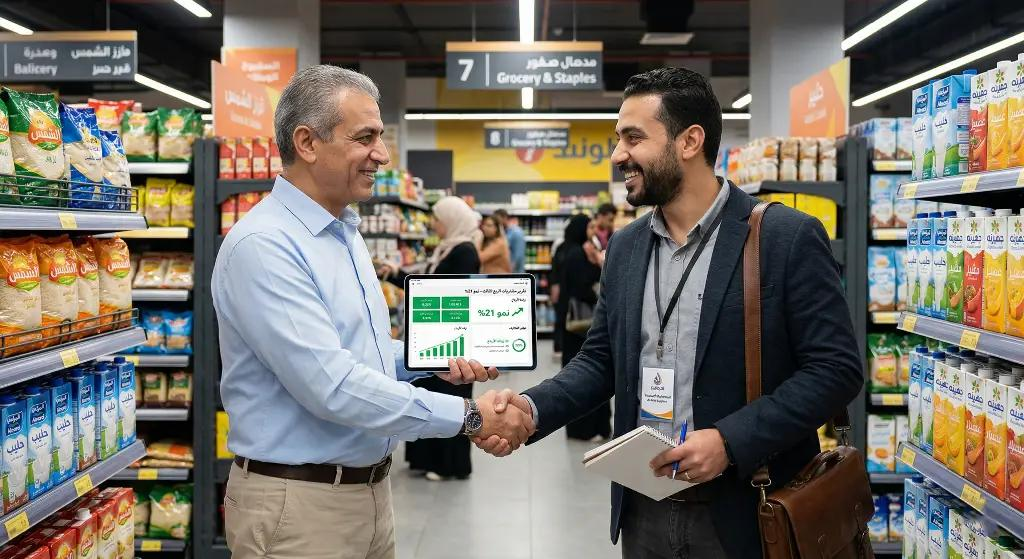
Many retailers underestimate the broader impact foodservice offerings can have on overall store performance.
Factors That Influence ROI
Several elements contribute to investment performance:
- Customer traffic
- Basket size growth
- Repeat visits
- Brand perception
- Operational efficiency
- Product quality
- Food safety compliance
Evaluating ROI requires examining all these variables together.
Looking Beyond Direct Revenue
A hot food counter can influence multiple areas of the business simultaneously.
This includes both direct and indirect benefits.
Successful operators evaluate the full customer journey rather than focusing exclusively on individual transactions.
How Hot Food Counters Increase Basket Size
One of the most significant benefits of introducing prepared food offerings is their ability to increase customer spending.

Shoppers purchasing ready-to-eat meals often purchase additional items during the same visit.
Common Complementary Purchases
Customers frequently add:
- Beverages
- Snacks
- Desserts
- Fresh produce
- Household essentials
- Convenience products
This creates opportunities to increase overall basket value.
Why Convenience Drives Spending
Convenience remains one of the strongest drivers of purchasing behavior.
Customers appreciate solutions that simplify daily routines.
When supermarkets provide high-quality prepared foods, they become more valuable destinations for busy consumers.
Footfall Conversion Rate: Turning Visitors Into Foodservice Customers
Many supermarkets already benefit from strong customer traffic.
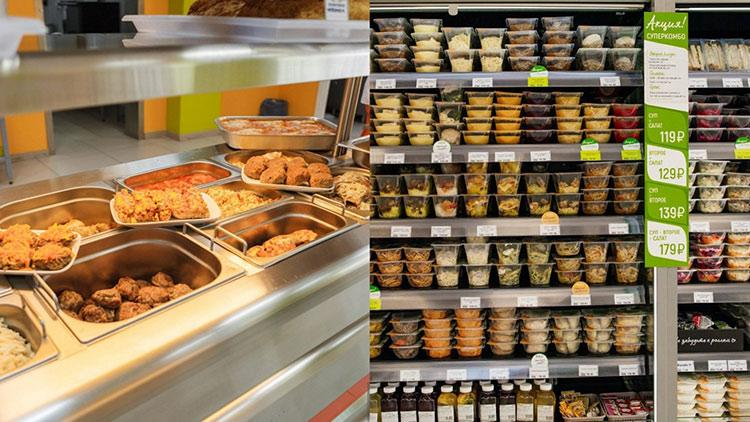
The challenge often involves converting existing visitors into foodservice customers.
What Is Footfall Conversion?
Footfall conversion refers to the percentage of store visitors who engage with the prepared food offering.
Improving conversion rates can significantly impact overall performance.
Factors That Influence Conversion
Several variables affect customer engagement:
- Food presentation
- Product quality
- Menu variety
- Counter visibility
- Service speed
- Pricing strategy
- Customer trust
Retailers that optimize these elements often achieve stronger results.
Why Food Quality Is Essential for Long-Term ROI
Initial customer curiosity may drive early traffic.
However, long-term success depends on consistent quality.
Customers return when experiences consistently meet expectations.
Quality Influences
Food quality affects:
- Repeat purchases
- Customer satisfaction
- Word-of-mouth marketing
- Brand perception
- Customer retention
Consistency is especially important in competitive retail markets.
The Role of Commercial Kitchen Design in Supermarket Foodservice
Many retailers focus heavily on display counters while overlooking the production environment behind them.
In reality, back-of-house operations often determine long-term success.
Why Kitchen Design Matters
An efficient production environment supports:
- Faster food preparation
- Better food quality
- Improved staff productivity
- Stronger inventory management
- Consistent operational performance
Without proper planning, operational inefficiencies can quickly reduce profitability.
Commercial Kitchen Design UAE for Retail Foodservice
Retail foodservice operations require unique planning considerations.
These include:
- Production workflows
- Storage requirements
- Customer demand patterns
- Service speed expectations
- Food safety procedures
Strategic design helps align operations with customer expectations.
Equipment Selection for Limited Space
One of the most common challenges facing supermarkets is space utilization.
Unlike standalone restaurants, supermarkets often operate within existing floor plans.
This makes equipment selection especially important.
Common Space Constraints
Retail operators frequently face:
- Limited preparation areas
- Restricted storage capacity
- Compact service zones
- Shared operational spaces
Selecting equipment designed for efficiency becomes essential.
Why Planning Comes Before Purchasing
The best equipment decisions begin with understanding operational requirements.
A carefully planned environment often performs significantly better than one built around equipment purchases alone.
Why Commercial Kitchen Equipment Influences Profitability
Equipment directly impacts daily operations.
The right equipment supports efficiency.
The wrong equipment creates obstacles.
Equipment Affects
- Production speed
- Product consistency
- Energy consumption
- Labour requirements
- Food quality
- Maintenance needs
Because equipment influences so many aspects of performance, it should be viewed as a strategic investment.
How Al Razana Kitchen Equipment Supports Retail Foodservice Projects
Retail foodservice requires more than equipment procurement.
Successful projects depend on integrated planning and execution.
Al Razana Kitchen Equipment supports supermarkets and retail operators through complete commercial kitchen solutions tailored to foodservice environments.
Commercial Kitchen Design
Creating production environments optimized for retail operations.
Kitchen Planning & Consultancy
Aligning equipment selection with business goals.
Equipment Supply
Providing commercial kitchen equipment and foodservice solutions designed for demanding environments.
Installation Services
Ensuring smooth implementation and operational readiness.
Stainless Steel Fabrication
Developing customized solutions for retail foodservice workflows.
Turnkey Project Delivery
Supporting complete project execution from concept through operation.
Why Retailers Should Think Beyond Equipment Purchases
The most successful hot food counter projects focus on systems rather than products.
Long-term profitability depends on:
- Workflow design
- Operational planning
- Staff productivity
- Food safety procedures
- Equipment integration
- Customer experience
These elements work together to support sustainable performance.
HACCP Considerations and Food Safety Requirements
Food safety is one of the most important factors influencing the success of a supermarket hot food counter.
Customers may be attracted by attractive displays and convenient meal options, but long-term trust depends on food safety and consistency.
This is where HACCP-based operational planning becomes essential.
Why Food Safety Directly Impacts ROI
Food safety influences:
- Customer confidence
- Brand reputation
- Repeat purchases
- Regulatory compliance
- Operational consistency
A single food safety issue can negatively impact customer trust and reduce the long-term value of the investment.
Building Food Safety Into the Design Process
The most effective approach is to integrate food safety requirements during the planning stage rather than adding them later.
Commercial kitchen design should support:
- Safe food handling
- Efficient cleaning procedures
- Proper storage workflows
- Temperature management
- Cross-contamination prevention
This approach creates a stronger operational foundation from the beginning.
Staffing the Hot Food Counter Efficiently
Many retailers focus heavily on equipment selection but underestimate the importance of staffing strategy.
Labour costs can significantly influence profitability.
However, reducing staffing levels is not always the solution.
The objective is creating efficient workflows that allow staff to perform effectively.
Characteristics of Efficient Operations
Successful foodservice counters often benefit from:
- Clear workflows
- Proper workstation design
- Easy equipment access
- Simplified production processes
- Effective task allocation
When operational systems work efficiently, staff productivity improves naturally.
Why Workflow Design Matters
Poor workflow often leads to:
- Staff congestion
- Delayed service
- Production bottlenecks
- Reduced customer satisfaction
These issues frequently originate from planning problems rather than staffing levels themselves.
Space Optimization Strategies for Retail Foodservice
Space is one of the most valuable resources in a supermarket environment.
Every square meter must contribute value.
This makes space planning especially important when introducing foodservice operations.
Key Objectives of Space Optimization
Retailers should aim to:
- Maximize production efficiency
- Maintain customer visibility
- Improve traffic flow
- Support food safety compliance
- Preserve retail selling space
Achieving these goals requires strategic planning.
Why Custom Solutions Often Perform Better
Every supermarket operates within unique physical constraints.
Custom stainless steel fabrication and tailored foodservice solutions can help operators maximize available space while maintaining operational efficiency.
How Stainless Steel Fabrication Supports Retail Operations
Custom fabrication is often overlooked during foodservice planning.
However, standardized equipment does not always fit perfectly within retail environments.
Benefits of Custom Fabrication
Customized solutions support:
- Better space utilization
- Improved workflow
- Enhanced hygiene
- Greater flexibility
- Professional appearance
For supermarkets operating within existing layouts, custom fabrication can significantly improve operational performance.
The Role of Al Razana Kitchen Equipment
Al Razana Kitchen Equipment provides stainless steel fabrication solutions designed specifically for commercial kitchens, retail foodservice environments, supermarkets, and hospitality businesses across the UAE.
Common Mistakes That Reduce Hot Food Counter ROI
Many supermarkets invest in prepared food operations with strong expectations.
However, several common mistakes can limit performance.
Treating the Counter as a Display Rather Than a Foodservice Operation
A hot food counter is not simply a merchandising feature.
It is a complete operational system requiring proper planning and management.
Choosing Equipment Before Defining Workflows
Equipment selection should follow operational planning rather than drive it.
Ignoring Production Capacity
Many retailers underestimate demand during peak periods.
This can lead to service bottlenecks and missed sales opportunities.
Failing to Prioritize Food Safety
Food safety should remain central to every operational decision.
Underestimating Maintenance Requirements
Equipment performance directly affects service quality and operational reliability.
Preventive maintenance should be part of the long-term strategy.
Why Preventive Maintenance Protects ROI
Many operators focus on installation but overlook ongoing maintenance.
This creates risks that can impact performance over time.
Benefits of Preventive Maintenance
Regular maintenance supports:
- Equipment reliability
- Operational consistency
- Longer equipment lifespan
- Reduced downtime
- Improved energy efficiency
For retail foodservice operations, maintaining uninterrupted service is essential.
Maintenance as a Business Strategy
The most successful operators view maintenance as an investment in operational continuity rather than a reactive expense.
Building a Long-Term Retail Foodservice Strategy
A profitable hot food counter should support broader business objectives.
The goal is not simply selling prepared meals.
The goal is enhancing the overall retail experience.
Long-Term Benefits Include
- Increased customer loyalty
- Greater visit frequency
- Stronger brand differentiation
- Improved basket value
- Additional revenue streams
These benefits accumulate over time when operations are managed effectively.
Why Supermarkets Are Expanding Foodservice Offerings
Retail competition continues to intensify.
Customers have more choices than ever before.
Foodservice helps retailers differentiate themselves.
Foodservice Creates Competitive Advantages
Prepared food offerings can help:
- Attract new customers
- Increase dwell time
- Strengthen customer engagement
- Enhance convenience
- Improve customer retention
This is why foodservice continues to play a growing role in modern supermarket strategies.
Why Complete Commercial Kitchen Solutions Deliver Better Results
The most successful retail foodservice projects rarely begin with equipment selection.
They begin with strategic planning.
A complete solution typically includes:
Commercial Kitchen Design
Creating efficient production environments.
Operational Planning
Aligning workflows with customer demand.
Equipment Procurement
Selecting appropriate equipment for operational needs.
Installation Services
Ensuring operational readiness.
Stainless Steel Fabrication
Maximizing space efficiency.
Maintenance Support
Protecting long-term performance.
Consultancy Services
Supporting informed business decisions.
This integrated approach reduces operational risk while improving long-term outcomes.
Why Supermarkets Across the UAE Work With Al Razana Kitchen Equipment
Retail foodservice operators require more than a product supplier.
They need a partner capable of supporting long-term growth.
Al Razana Kitchen Equipment provides complete commercial kitchen solutions designed specifically for hospitality and foodservice environments.
Commercial Kitchen Design
Creating layouts that maximize productivity and customer experience.
Kitchen Planning & Consultancy
Helping operators make informed operational decisions.
Commercial Equipment Supply
Providing foodservice equipment, commercial kitchen equipment, and retail foodservice solutions.
Kitchen Equipment Installation
Supporting seamless project implementation.
Stainless Steel Fabrication
Developing custom-built solutions for unique retail environments.
Maintenance & Technical Support
Helping businesses maintain operational continuity.
Turnkey Commercial Kitchen Projects
Delivering complete solutions from concept development through execution.
This comprehensive approach helps supermarkets build foodservice operations designed for sustainable performance.
The Future of Hot Food Counters in UAE Supermarkets
Consumer demand for convenience continues to grow.
Prepared meals, grab-and-go food, fresh deli offerings, and retail foodservice concepts are becoming increasingly important components of supermarket success.
Retailers that invest in efficient operational systems today will be better positioned to meet future customer expectations.
Success will depend on:
- Operational efficiency
- Food quality
- Equipment performance
- Workflow design
- Customer experience
- Long-term planning
Businesses that approach foodservice strategically are often able to unlock significant value over time.
Conclusion
Evaluating hot food counter supermarket UAE ROI requires looking beyond equipment costs and direct food sales.
A successful hot food counter can contribute to increased basket value, stronger customer loyalty, improved footfall conversion, enhanced brand positioning, and new revenue opportunities.
However, these benefits depend on proper planning and execution.
Commercial kitchen design, food safety compliance, workflow optimization, staffing strategy, equipment selection, maintenance planning, and customer experience all play important roles in determining long-term performance.
As a trusted provider of complete commercial kitchen solutions, Al Razana Kitchen Equipment helps supermarkets and retail operators across the UAE transform foodservice concepts into efficient, scalable, and profitable operations through design, planning, equipment supply, installation, fabrication, maintenance, consultancy, and turnkey project delivery.
Whether launching a new hot food counter or expanding an existing retail foodservice operation, success begins with building the right operational foundation.
Frequently Asked Questions
Is a hot food counter profitable for supermarkets in the UAE?
A well-planned hot food counter can create additional revenue opportunities while increasing basket value, customer loyalty, and store engagement.
What factors influence hot food counter ROI?
Key factors include customer traffic, conversion rates, food quality, operational efficiency, staffing strategy, equipment performance, and food safety compliance.
Why is commercial kitchen design important for supermarket foodservice?
Commercial kitchen design helps optimize workflows, improve productivity, support food safety, and maximize operational efficiency.
How can supermarkets improve footfall conversion rates?
By offering attractive food options, maintaining consistent quality, improving visibility, and creating a positive customer experience.
What equipment is typically needed for a hot food counter?
Requirements vary by concept but often include food preparation equipment, hot holding equipment, refrigeration systems, display units, and storage solutions.
Why is food safety important for retail foodservice?
Food safety supports customer trust, operational consistency, regulatory compliance, and long-term business success.
What role does custom stainless steel fabrication play?
Custom fabrication helps maximize available space, improve workflows, and create efficient foodservice environments.
What are turnkey commercial kitchen projects?
Turnkey projects include planning, design, procurement, installation, fabrication, maintenance, and project management under one integrated solution.
What services does Al Razana Kitchen Equipment provide?
Al Razana provides commercial kitchen design, consultancy, equipment supply, installation, stainless steel fabrication, maintenance support, and turnkey commercial kitchen solutions.
Why do supermarkets choose Al Razana Kitchen Equipment?
Because Al Razana offers complete commercial kitchen solutions that help retail foodservice businesses improve operational efficiency, scalability, and long-term profitability across the UAE.