How to Get a Food Business License in Sharjah, Ajman & the Northern Emirates
28 April 2026
Imagine this: You have the perfect recipe, the ideal location, and a burning passion to bring your culinary dream to life in the UAE. You’ve scouted the area, planned your menu, and even started shopping for restaurant kitchen equipment. But then reality hits — before you can open your doors, you need a food business license in Sharjah, Ajman or whichever Northern Emirate you’ve chosen to set up in. And suddenly, what seemed like a simple step becomes a maze of paperwork, government approvals, and municipal requirements.
You’re not alone. Thousands of aspiring food entrepreneurs face the exact same challenge every year across the Northern Emirates. Whether you’re launching a small restaurant, a cloud kitchen, a food truck, a catering company, or a home-based food business, navigating the licensing process can feel overwhelming — especially if it’s your first time.
That’s why this guide was written. In the following sections, we’ll walk you through everything you need to know to obtain a food business license Sharjah Ajman and across Ras Al Khaimah, Umm Al Quwain, Fujairah, and Ajman — from the types of licenses available and the required documents, to the exact steps you’ll follow and the equipment you’ll need to pass inspection. By the end of this article, you’ll feel confident, informed, and ready to take action.
Why the Food Business License Sharjah Ajman Process Matters More Than You Think
The UAE’s food industry is one of the most dynamic and competitive in the world. With over 12,000 food establishments in the Northern Emirates alone and a population that loves dining out, the opportunity is enormous. However, with great opportunity comes great regulatory scrutiny.
The UAE government — including municipal authorities in Sharjah, Ajman, Ras Al Khaimah, Fujairah, and Umm Al Quwain — takes food safety extremely seriously. The licensing process is not just bureaucratic red tape; it’s a system designed to protect public health, ensure fair competition, and maintain the UAE’s global reputation as a safe and thriving food destination.
Operating without a valid food business license in Sharjah or Ajman can result in immediate closure, hefty fines ranging from AED 5,000 to AED 500,000, permanent blacklisting, and even criminal charges in cases of severe health violations. The stakes are simply too high to skip this step.
Beyond legal compliance, having the right license signals to your customers that you’re a trusted, professional food operator — which is priceless in today’s review-driven, social media-dominated marketplace.
read more : How to Open a Supermarket in Dubai (Open Supermarket Dubai License Explained)
Types of Food Business Licenses Available in Sharjah, Ajman & Northern Emirates
Before diving into the step-by-step process, it’s crucial to understand that there isn’t one single type of food business license — there are several, and the type you need depends entirely on your business model, scale of operation, and location.
Restaurant and Café License
This is the most common type of food business license in the Northern Emirates. It covers dine-in restaurants, fast food outlets, cafés, and coffee shops. To qualify, your premises must meet specific space requirements, have a properly equipped kitchen, and comply with municipal health and safety standards.
👉 Explore Commercial Cooking Equipment for Your Restaurant Kitchen
Food Manufacturing License
If you’re producing packaged food items — from bottled sauces to baked goods — you’ll need a food manufacturing license issued by the relevant municipality and potentially the UAE Ministry of Climate Change and Environment. This license has stricter facility requirements including dedicated production areas, hygienic storage, and specific machinery standards.
Catering Business License
Catering companies that prepare and deliver food to events, offices, or private functions need a specific catering license. This includes requirements for dedicated food transport vehicles, temperature-controlled storage, and proper food handling training for all staff.
👉 Browse Food Holding and Warming Equipment for Catering Businesses
Cloud Kitchen License
The cloud kitchen — or dark kitchen — model has exploded in popularity across the UAE. These delivery-only operations require a specific license that focuses heavily on kitchen hygiene, food packaging standards, and compliance with online delivery platform requirements. Sharjah and Ajman municipalities have developed streamlined licensing procedures for cloud kitchens given their growing economic importance.
Food Truck and Mobile Food Vendor License
Mobile food operations require a unique permit that covers both the vehicle itself and the food operation. The truck must pass a vehicle inspection, a health inspection, and the operator must have a designated commissary kitchen where food is prepared and stored.
Home-Based Food Business License
Several Northern Emirates, including Sharjah and Ajman, have created special frameworks for home-based food businesses under their economic development programs. These are typically for small-scale operations with limited production volumes and come with specific conditions around marketing, delivery, and production hygiene.
Step-by-Step Guide: How to Get a Food Business License in Sharjah
Sharjah is governed by the Sharjah City Municipality (SCM) for most licensing matters, with additional oversight from the Sharjah Economic Development Department (SEDD). Here’s a detailed breakdown of the process:
Step 1: Choose Your Business Activity and Legal Structure
Your first step is defining exactly what type of food business you want to operate. This determines which license category you’ll apply under. You must also decide on your legal structure — sole proprietorship, LLC, or civil company — as this affects the registration process and ownership requirements.
read more: How to Open a Café in Abu Dhabi: Licensing, Location & Budget Breakdown
Step 2: Reserve a Trade Name
Visit the Sharjah Economic Development Department (SEDD) portal or their offices to reserve your trade name. Your business name must reflect your activity, comply with UAE naming conventions, and must not be identical or too similar to an existing registered business.
Step 3: Obtain Initial Approval
Submit an initial approval application to SEDD. This step confirms that your proposed business activity is permitted in your chosen location. You’ll need to provide a basic business plan, proof of identity documents for all partners or shareholders, and a tenancy agreement or letter of intent from a landlord.
Step 4: Secure Your Premises and Pass Municipality Inspection
This is one of the most critical steps in the entire process. Your premises must pass a thorough inspection by Sharjah City Municipality health and safety officers. They will evaluate your kitchen layout, ventilation systems, food storage areas, pest control measures, waste management systems, and the overall cleanliness and hygiene standards of your operation.
This is the stage where having the right restaurant kitchen equipment truly makes or breaks your application. Inspectors are looking for commercial-grade, food-safe equipment that meets UAE and international hygiene standards.
👉 Shop All Restaurant Kitchen Equipment – Al Razana
Step 5: Apply for Food Handler Certificates
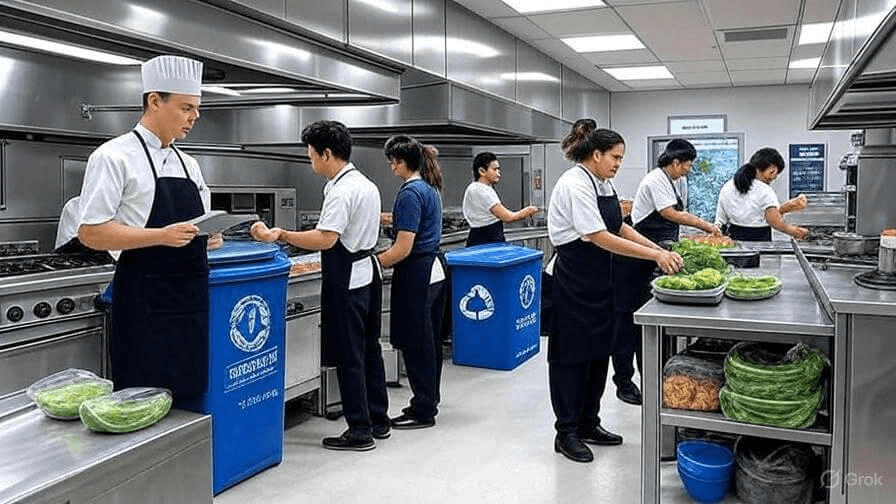
All food handlers — including kitchen staff, food preparation workers, and delivery personnel — must obtain a valid Food Handler’s Certificate issued by the Sharjah Municipality Health Department or an approved training provider. This certificate confirms that your team has been trained in food hygiene, safe handling practices, and contamination prevention.
Step 6: Submit All Documents and Pay License Fees
Once your premises have passed inspection and all personnel certificates are in order, you submit your full documentation package along with the applicable license fees. Fees vary depending on your business type, size, and specific location within Sharjah.
Step 7: Receive Your Food Business License
After review and approval, your food business license Sharjah will be issued. The license must be prominently displayed on your premises and must be renewed annually. Always keep your renewal dates in mind — late renewal results in fines and potential suspension.
Getting a Food Business License in Ajman: Key Differences and Process
Ajman has its own economic and municipal framework through the Ajman Department of Economic Development (ADDED) and the Ajman Municipality. While the overall process shares similarities with Sharjah, there are some notable differences that entrepreneurs should be aware of.
Ajman’s Business-Friendly Approach
Ajman is known for its relatively streamlined business registration process and lower startup costs compared to Dubai and Abu Dhabi. The emirate has actively promoted itself as a hub for small and medium-sized food businesses, and the licensing process reflects this entrepreneurial orientation. Processing times are generally faster, and the ADDED portal allows for a significant portion of the application to be completed online.
Ajman Food Control Department Requirements
The Ajman Municipality Food Control Department oversees all food safety regulations. Similar to Sharjah, they require premises inspections, food handler certifications, and equipment compliance checks. However, Ajman’s inspectors also place particular emphasis on HACCP (Hazard Analysis and Critical Control Points) documentation for larger food operations — demonstrating that you’ve systematically identified and controlled food safety risks throughout your production process.
👉 Browse Stainless Steel Equipment – Hygienic & HACCP Compliant
Cost Comparison: Sharjah vs Ajman Food Business License
| Factor | Sharjah | Ajman |
| Governing Body | SEDD + SCM | ADDED + Ajman Municipality |
| Initial License Fee (approx.) | AED 2,000 – 5,000 | AED 1,500 – 4,000 |
| Processing Time | 2–4 weeks | 1–3 weeks |
| Online Application | Partial (SEDD portal) | Partial (ADDED portal) |
| HACCP Requirement | For large operations | For medium and large |
| Home Business License | Available | Available |
| Cloud Kitchen Framework | Established | Developing |
Food Business Licensing in Ras Al Khaimah, Fujairah & Umm Al Quwain
Ras Al Khaimah (RAK)
The Ras Al Khaimah Economic Zone (RAKEZ) and the RAK Department of Economic Development govern food business licensing in the emirate. RAK has become particularly attractive for food manufacturers looking to export, thanks to its free zones and proximity to major ports. The emirate also has a growing food services sector catering to its tourism industry.
👉 Explore Commercial Ovens for Bakeries and Food Manufacturing – Sharjah & Northern Emirates
Fujairah
Fujairah’s licensing process is overseen by the Fujairah Economic Department and Fujairah Municipality. The emirate has specific regulations around fresh seafood businesses given its location on the Gulf of Oman. Temperature-controlled refrigeration equipment is non-negotiable for any food business operating in Fujairah.
👉 Shop Refrigeration Equipment – Freezers, Chillers & Refrigerators
Umm Al Quwain
UMM Al Quwain, one of the smaller Northern Emirates, processes food licenses through the Umm Al Quwain Economic Development Department. While the regulatory requirements are similar to the other Northern Emirates, costs are typically the lowest in the region, making it an interesting option for first-time food entrepreneurs looking to minimize startup costs.
Required Documents for a Food Business License Sharjah Ajman Application
While specific requirements may vary by emirate and business type, the following documents are universally required across the Northern Emirates for most food business license applications:
• Copy of passport and Emirates ID for all owners/partners/shareholders
• UAE residence visa (for expat applicants)
• Trade name reservation certificate
• Tenancy contract or No Objection Certificate (NOC) from the landlord
• Approved floor plan/layout of the premises (to scale)
• Food handler certificates for all food-handling staff
• Initial approval from the Economic Development Department
• HACCP documentation (for applicable businesses)
• Equipment list with specifications (commercial grade required)
• Pest control contract from an approved provider
• Waste management plan
• No objection from relevant bodies (Civil Defense, Environmental Agency, etc.)
• Payment receipt for applicable fees
read more : Cloud Kitchen vs Restaurant UAE 2025: Which Business Model Wins?
Kitchen Equipment Requirements for Passing Your Food Business License Sharjah Inspection
One of the biggest reasons food business license applications fail — or cause significant delays — is inadequate kitchen equipment. Municipal health inspectors across Sharjah, Ajman, and the Northern Emirates are specifically trained to identify non-compliant equipment, and they will flag it without hesitation.
Here’s a breakdown of the key equipment categories you need to have in place before your inspection:
read more : Ghost Kitchen UAE Setup Cost & How to Open One: Licenses, Costs, and Complete Guide
Cooking Equipment
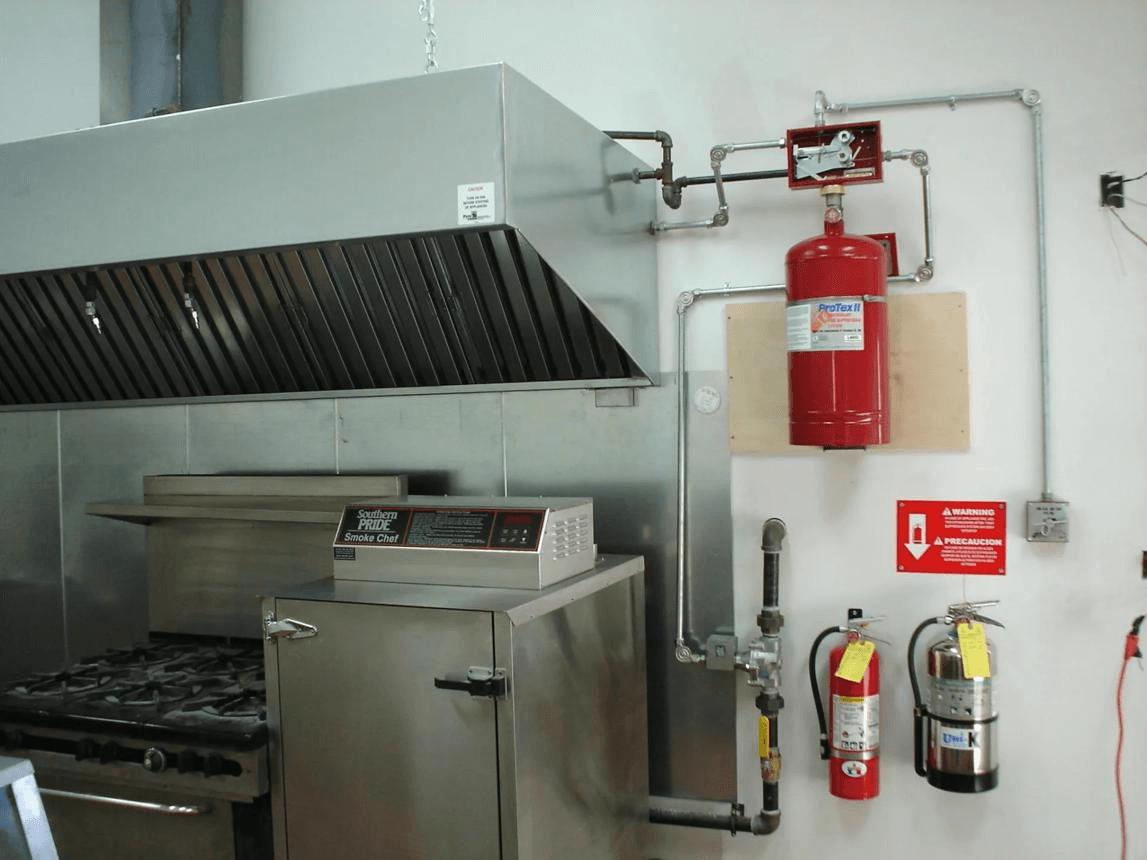
Your cooking line is the heart of your kitchen, and it must be commercial-grade. Domestic appliances are absolutely not acceptable for licensed food businesses. Inspectors look for proper ventilation systems above cooking stations, adequate spacing between equipment for cleaning access, and equipment that meets CE or NSF safety certification standards.
👉 Browse Cooking Ranges, Fryers & Grills – Cooking Equipment UAE
Refrigeration and Cold Storage
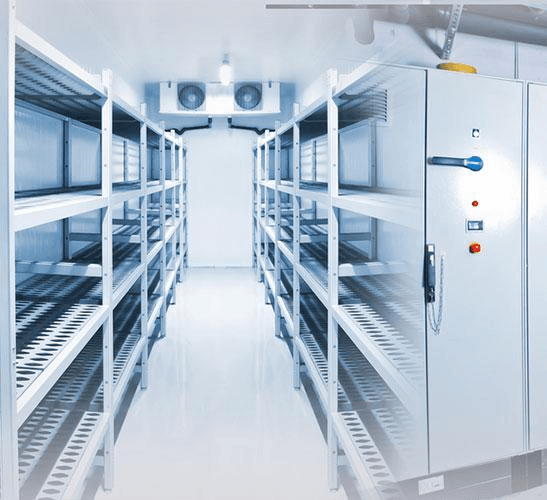
Proper temperature control is one of the most critical aspects of food safety compliance. Your premises must have adequate refrigeration for raw ingredients, prepared foods, and beverages. All refrigeration equipment must maintain proper temperatures consistently and must have clearly visible temperature displays.
👉 Shop Commercial Refrigerators, Freezers & Chillers – Al Razana
Food Preparation Equipment
From slicers and food processors to mixers and prep tables, all food preparation equipment must be constructed from food-safe, easily cleanable materials — primarily stainless steel. Equipment must be positioned to avoid cross-contamination between raw and cooked foods.
👉 Explore Food Preparation Equipment & Kitchen Tools
Dishwashing and Sanitation Equipment
Commercial dishwashers are mandatory for most licensed food businesses. They must achieve the temperatures required to properly sanitize tableware and kitchen utensils. A dedicated dishwashing area separate from food preparation zones is typically required.
👉 Shop Commercial Dishwashers – Undercounter, Hood & Conveyor Models
Stainless Steel Work Surfaces and Storage
All food contact surfaces must be made of stainless steel or other approved food-safe materials. Wall-mounted shelving, prep tables, and storage racks must all comply with hygiene standards and must be positioned to allow for thorough cleaning underneath and behind them.
👉 Browse Stainless Steel Fabrication & Equipment – Custom Kitchen Solutions
Special Considerations for Bakeries, Cloud Kitchens & Specialty Food Businesses
Bakeries and Pastry Shops
Bakeries have specific additional requirements in the Northern Emirates. Production areas must be separate from display/retail areas. Deck ovens, proofing cabinets, and mixing equipment must all meet commercial standards. Packaging areas require dedicated facilities to prevent contamination.
👉 Shop Bakery Deck Ovens & Convection Ovens for Northern Emirates Bakeries
Beverage Businesses & Juice Bars
Juice bars, smoothie shops, and specialty beverage operations have their own set of requirements around equipment cleaning protocols, water filtration systems, and fruit/vegetable storage and washing facilities.
👉 Browse Juicers, Blenders & Beverage Equipment – Al Razana UAE
Ice Cream and Frozen Dessert Shops
Specialty frozen dessert businesses require specific temperature-controlled display equipment and, in many cases, on-site production equipment. Soft-serve machines, blast freezers, and display cases must all meet municipality standards.
👉 Explore Ice Cream Machines & Soft Serve Equipment
Butcher Shops and Meat Processing
Butcheries have among the strictest licensing requirements in the UAE food sector. They require dedicated cold storage, separate processing areas, specific equipment for cutting and processing, and must comply with UAE halal certification requirements.
👉 Shop Butchery Equipment – UAE Licensed Butcher Shop Solutions
Common Mistakes That Delay or Derail Your Food Business License Application
After years of observing food businesses navigate the licensing process in the Northern Emirates, several recurring mistakes consistently derail or delay applications. Being aware of these pitfalls can save you weeks of frustration and thousands of dirhams:
Using Domestic or Non-Commercial Equipment
The number one reason for inspection failure is using home-grade appliances instead of commercial-grade restaurant kitchen equipment. Inspectors will immediately flag a domestic refrigerator or a home oven in a commercial food business setting.
Incomplete Documentation
Submitting applications without all the required documents is surprisingly common and causes delays of weeks or even months. Use a checklist and double-check every document before submission.
Incorrect Business Activity Classification
Choosing the wrong business activity category during registration can result in needing to restart the entire application process. Be precise about what you do — serving food, manufacturing food, catering, etc. are separate classifications.
Non-Compliant Premises Layout
The physical layout of your kitchen must comply with municipality guidelines. Insufficient separation between raw and cooked food areas, inadequate ventilation, or improper waste management systems will result in failed inspections.
Skipping HACCP Documentation
Many food business owners underestimate the importance of HACCP documentation. Particularly in Ajman and for larger operations across the Northern Emirates, having a complete HACCP plan demonstrates that you’ve seriously engaged with food safety management.
Realistic Timeline and Costs for Getting Your Food Business License Sharjah Ajman
One of the most frequently asked questions from aspiring food entrepreneurs in the Northern Emirates is: How long does the whole process take, and how much will it cost? Here’s a realistic breakdown:
| Phase | Activity | Time Required | Estimated Cost (AED) |
| 1 | Trade Name Registration | 1–3 days | 500 – 1,500 |
| 2 | Initial Approval | 3–7 days | 300 – 800 |
| 3 | Secure Premises & Setup | 2–8 weeks | Variable |
| 4 | Equipment Procurement | 1–4 weeks | 20,000 – 200,000+ |
| 5 | Health & Safety Inspection | 3–7 days | 500 – 2,000 |
| 6 | Food Handler Certificates | 3–5 days per staff | 150 – 300 per person |
| 7 | Final License Issuance | 3–7 days | 2,000 – 5,000 |
| TOTAL | End to End | 6–16 weeks | 25,000 – 210,000+ |
Note: Equipment costs vary enormously depending on the type and scale of your food business. A small cloud kitchen might equip itself for AED 20,000–30,000, while a full-service restaurant could invest AED 150,000–300,000 or more in kitchen equipment alone.
👉 Get a Full Quote for Commercial Kitchen Equipment in UAE – Al Razana
Frequently Asked Questions
1. How much does a food business license cost in Sharjah?
A food business license in Sharjah typically costs between AED 2,000 and AED 5,000 for the license fee itself. However, total startup costs including premises setup, equipment, and compliance measures can range from AED 25,000 to AED 200,000+ depending on the type and scale of your operation.
2. Can I get a food business license in Ajman as an expat?
Yes, expats can obtain a food business license in Ajman. You will need a valid UAE residence visa and may need a local service agent or Emirati partner depending on your business structure. The Ajman Department of Economic Development (ADDED) has clear guidelines for expatriate business owners.
3. What is the difference between a food trade license and a food business license?
In the UAE context, a food trade license is issued for businesses that buy and sell food products without manufacturing them (wholesale/retail), while a food business license broadly covers all businesses involved in food preparation, production, serving, or trading. A restaurant, for example, operates under a food business license, while a food importer operates under a food trade license.
4. Do I need a separate license for a cloud kitchen in Sharjah?
Yes, cloud kitchens require a specific license in Sharjah. While the process is similar to a standard restaurant license, there are additional requirements around delivery compliance, packaging standards, and online ordering platform registration. The Sharjah Economic Development Department has streamlined this process in recent years.
5. How often do I need to renew my food business license in the Northern Emirates?
Food business licenses in Sharjah, Ajman, and across the Northern Emirates must be renewed annually. Renewal notices are typically sent before expiry, but it is your responsibility to ensure timely renewal. Late renewal results in fines and potential business suspension.
6. What equipment is mandatory for passing a food business inspection in Sharjah?
Mandatory equipment includes commercial-grade cooking appliances (ranges, ovens, or fryers depending on your menu), commercial refrigeration, a commercial dishwasher, stainless steel prep surfaces, proper ventilation systems, handwashing facilities, and appropriate waste management. All equipment must be commercial-grade and food-safe.
👉 Shop All Required Kitchen Equipment – Commercial Grade UAE
7. Can I run a food business from home in Ajman?
Yes, Ajman has provisions for home-based food businesses, primarily aimed at small-scale food production and catering. However, even home-based operations require registration with ADDED and must comply with Ajman Municipality food safety requirements, including a home inspection.
8. Is HACCP certification required for a food business license in Sharjah?
HACCP documentation is required for medium to large food operations in Sharjah and mandatory for food manufacturers. While smaller restaurants may not require full HACCP certification, demonstrating awareness of HACCP principles during inspections is always beneficial.
9. How long does it take to get a food business license in Ajman?
The process typically takes 4 to 8 weeks from the initial trade name reservation to license issuance in Ajman, assuming all documentation is complete and your premises pass the health inspection on the first attempt. Incomplete applications or failed inspections can extend this timeline significantly.
10. What happens if I operate a food business without a license in Sharjah?
Operating without a valid food business license in Sharjah is a serious offense. Penalties include immediate business closure, fines from AED 5,000 to AED 500,000, potential criminal charges in cases of health violations, and permanent blacklisting from the UAE business register.
11. Do food delivery businesses need a separate license?
Food delivery businesses that only deliver food on behalf of licensed restaurants operate under different regulations. However, if you’re preparing food for delivery (cloud kitchen model), you need a full food business license that covers both preparation and delivery operations.
12. Where can I find approved commercial kitchen equipment suppliers in the Northern Emirates?
Al Razana is one of the leading commercial kitchen equipment suppliers in the UAE, offering a comprehensive range of restaurant kitchen equipment including cooking equipment, refrigeration, dishwashers, stainless steel fabrication, and more — all meeting the highest commercial standards required by UAE municipalities.
👉 Explore All Commercial Kitchen Equipment at Al Razana – UAE’s Trusted Supplier
Conclusion: Your Food Dream Starts with the Right License — and the Right Equipment
Getting a food business license in Sharjah, Ajman or across the Northern Emirates is a detailed, multi-step process — but it’s absolutely achievable with the right preparation, the right documentation, and the right equipment. The journey from idea to licensed operation is not just about paperwork; it’s about building a foundation for a sustainable, legally compliant, and customer-trusted food business.
We’ve covered every major aspect of the licensing process in this guide — from understanding the different types of licenses and the step-by-step application process, to the equipment you need, common mistakes to avoid, and realistic cost and timeline expectations. Armed with this knowledge, you’re already ahead of the majority of first-time food business applicants.
Remember: Your kitchen equipment is not just a legal requirement — it’s an investment in the quality of your food, the efficiency of your operations, and the safety of your customers. Choosing commercial-grade, municipality-approved restaurant kitchen equipment from a trusted supplier is one of the smartest business decisions you can make at this stage.
We encourage you to bookmark this guide, share it with fellow food entrepreneurs, and leave a comment below with your questions or experiences navigating the licensing process in the Northern Emirates. Your insights could help the next aspiring restaurateur avoid costly mistakes.
👉 Explore Our Full Range of Commercial Kitchen Equipment – Al Razana UAE
👉 Browse Commercial Ovens – Bakery, Combi, Convection & More
👉 Shop Refrigeration Solutions – Freezers, Chillers & Ice Equipment