
Cloud Kitchen vs Restaurant UAE 2026: Which Business Model Wins?
21 April 2026
Imagine this: two entrepreneurs, both passionate about food, both with AED 200,000 to invest. One opens a restaurant in Dubai Marina. The other launches a cloud kitchen in Al Quoz. Fast forward 18 months — one is thriving, the other is struggling to cover rent. The question is: which one?
The debate of cloud kitchen vs restaurant UAE has never been more relevant than it is today. In a market that survived a global pandemic, adapted to dramatic shifts in consumer behavior, and watched delivery platforms explode into billion-dirham empires, the rules of the food business have fundamentally changed.
This guide goes deep. We’ll compare both models across every dimension that matters to an investor, entrepreneur, or chef — costs, margins, scalability, risk, and long-term viability. By the time you finish reading, you’ll have a clear, data-backed answer to the cloud kitchen vs restaurant UAE question for your specific situation.
What Is a Cloud Kitchen? Defining the Model in the UAE Context
Before comparing, let’s define exactly what we mean by each model.
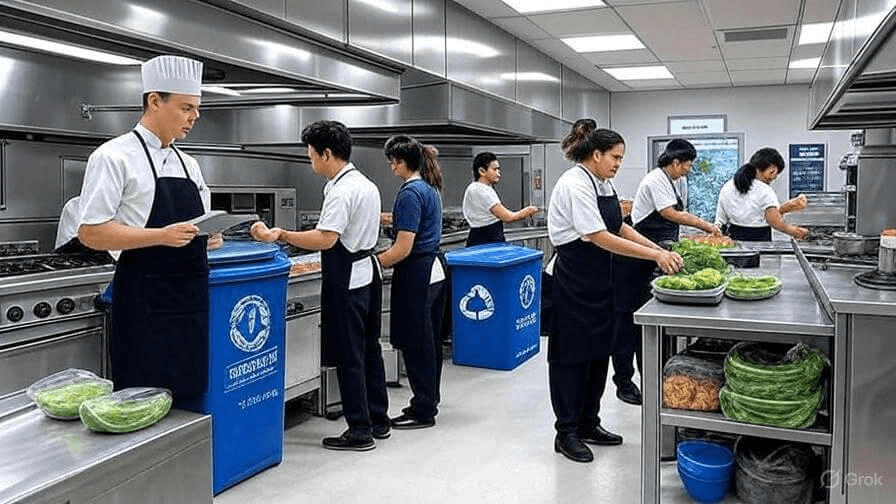
A cloud kitchen (also called a ghost kitchen, dark kitchen, or virtual kitchen) is a commercial food production facility with no dine-in space, no front-of-house staff, and no physical customer-facing presence. Food is prepared entirely for delivery or pickup. Orders come in through platforms like Talabat, Careem Food, Deliveroo, or Noon Food — or through the operator’s own app.
In the UAE, cloud kitchens have taken multiple forms:
- Standalone cloud kitchens: A business rents or owns a commercial kitchen space dedicated entirely to delivery operations
- Shared cloud kitchen hubs: Multiple brands share a single kitchen facility (models like Kitopi, iKcon, Sweetheart Kitchen)
- Virtual restaurant brands: An existing restaurant runs additional delivery-only brands from its existing kitchen during off-peak hours
The cloud kitchen vs restaurant Dubai comparison is particularly compelling in a city where delivery culture is deeply embedded and real estate costs are among the highest in the world.
read more : How to Start a Catering Business in the UAE: Full License to First Event Guide
What Is a Traditional Restaurant? Redefining the Model in 2026
A traditional restaurant, in the classic sense, is a physical establishment where customers dine in. In the UAE, this ranges from small cafeterias and casual dining spots to fine-dining restaurants and multi-location chain concepts.
But in 2026, the line is blurring. Many traditional restaurants in Dubai now run their own delivery operations alongside their dine-in service — a hybrid model that adds complexity but also revenue diversification.
When we discuss the cloud kitchen vs restaurant UAE debate, we’re primarily comparing a pure delivery operation against a dine-in first model that may also offer delivery as a secondary channel.
Cloud Kitchen vs Restaurant UAE: A Full Cost Comparison
This is the number that matters most for most entrepreneurs. Let’s break it down honestly.
Startup Costs: Cloud Kitchen vs Restaurant in the UAE
| Cost Category | Cloud Kitchen | Traditional Restaurant |
| Fit-out & interior | AED 20,000–50,000 | AED 150,000–600,000+ |
| Commercial kitchen equipment | AED 60,000–150,000 | AED 100,000–300,000 |
| Trade license | AED 12,000–20,000 | AED 15,000–30,000 |
| Deposit & rent (year 1) | AED 40,000–80,000 | AED 120,000–400,000 |
| Staff recruitment | AED 15,000–30,000 | AED 40,000–100,000 |
| Marketing & branding | AED 10,000–20,000 | AED 20,000–60,000 |
| Total Estimate | AED 157,000–350,000 | AED 445,000–1,490,000 |
The difference is stark. A cloud kitchen can launch at roughly one-third to one-quarter of the cost of a comparable restaurant. This is the single biggest advantage in the cloud kitchen vs restaurant UAE equation.
Monthly Operating Costs
| Monthly Cost | Cloud Kitchen | Traditional Restaurant |
| Rent | AED 8,000–20,000 | AED 30,000–120,000 |
| Staff | AED 15,000–35,000 | AED 40,000–120,000 |
| Food cost | 30–35% of revenue | 28–35% of revenue |
| Delivery platform fees | 15–30% of revenue | 5–15% (if offering delivery) |
| Utilities | AED 3,000–8,000 | AED 8,000–25,000 |
Cloud Kitchen vs Restaurant UAE: Revenue Potential
Lower cost doesn’t automatically mean higher profit. Let’s look at the revenue side of the cloud kitchen vs restaurant UAE comparison.
Revenue Ceiling for Cloud Kitchens
A cloud kitchen’s revenue is bounded by order volume and average order value. In Dubai, a well-optimized single-brand cloud kitchen might generate AED 50,000–150,000 per month in revenue. A multi-brand operation from the same kitchen can potentially double or triple this.
However, delivery platform commissions (often 18–30%) take a significant bite. A restaurant earning AED 100,000 in delivery revenue may keep only AED 70,000–82,000 after platform fees.
Revenue Ceiling for Traditional Restaurants
A restaurant in a prime Dubai location — Dubai Marina, Downtown, DIFC — can generate AED 200,000–700,000+ per month during peak operation. The revenue ceiling is higher, but so is the risk if footfall underperforms.
Importantly, restaurant revenue has two streams: dine-in (high margin, no platform fee) and delivery (lower margin due to commissions). A healthy restaurant in Dubai manages both.
read more : How to Open a Restaurant in Dubai: The Complete 2026 Step-by-Step Guide
Equipment Requirements: Cloud Kitchen vs Restaurant Dubai
Both models require serious commercial kitchen equipment. But the priorities differ.
Cloud Kitchen Equipment Priorities
Because a cloud kitchen’s output is 100% delivery, the focus is on:
- Speed: High-throughput cooking equipment to handle peak order surges
- Food safety during transport: Blast chillers and proper holding equipment
- Compact efficiency: Maximizing output per square meter
Essential equipment for a cloud kitchen:
High-Volume Cooking
- Combi Ovens — unrivalled versatility; bake, steam, roast, and regenerate in one unit
- Convection Ovens for consistent baking at volume
- Commercial Fryers — essential for most delivery-friendly menus
- Electric Ranges for sauté stations
- Countertop Ranges to maximize production in limited space
🛒 Build a high-output cloud kitchen starting with the rightCommercial Ovens — explore Al Razana’s full range.
Refrigeration for Delivery Operations
- Work Top Chiller for prep line efficiency
- Reach-In Refrigerators for ingredient storage
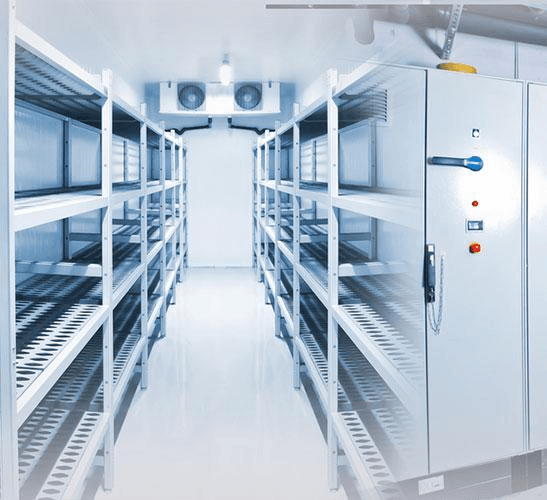
- Blast Chiller — critical for batch cooking and food safety compliance
- Undercounter Freezers for compact cold storage
🛒 Maintain food safety standards with professionalRefrigeration Equipment — designed for UAE’s climate and compliance requirements.
Traditional Restaurant Equipment Priorities
A restaurant needs everything a cloud kitchen needs, plus front-of-house equipment, larger prep capacity, and equipment suited to displaying and finishing dishes tableside.
Full Kitchen Production Line
- Cooking Range with Oven — the anchor of any restaurant kitchen
- Charbroilers for grilled items popular in UAE cuisine
- Charcoal Griller for authentic Middle Eastern flavors
- Bain Marie for buffet and station service
- Electric Warmer for holding plated dishes
🛒 Outfit your restaurant kitchen from scratch — browse our fullCooking Equipment collection at Al Razana.
Bakery and Specialty Production
For restaurants with in-house bakery or pastry programs:
- Bakery Deck Ovens for breads and flatbreads
- Cook and Hold Ovens for overnight protein preparations
Beverage Service
Restaurants need a full beverage program that cloud kitchens typically don’t:
- Coffee Machines for espresso-based drinks
- Manual Brewing equipment for specialty coffee
- Coffee & Tea Accessories for complete beverage service
- Blenders for smoothies and cocktail bases
- Juicers for fresh juice stations
- Cold and Frozen Beverage Dispensers for self-service or bar stations
🛒 : Complete your restaurant’s beverage station with professionalCoffee Machines andBeverage Equipment from Al Razana.
Dishwashing for High-Volume Restaurants
- Hood Dishwashers for mid-size restaurants
- Conveyor Dishwashers for high-volume operations
- Laundry Equipment for linen and uniform management
🛒 : Keep operations flowing with commercial-gradeDishwasher Equipment — built for UAE restaurant volumes.
Cloud Kitchen vs Restaurant UAE: Scalability Analysis
Scaling a Cloud Kitchen
A cloud kitchen scales by adding brands, not locations. From a single kitchen, you can operate 3–5 virtual restaurant brands simultaneously with different menus, different price points, and different target audiences. Each brand appears as a separate restaurant on delivery platforms.
This multi-brand strategy is what has made companies like Kitopi and iKcon so powerful in the UAE market. They leverage a single kitchen infrastructure to multiply revenue streams dramatically.
Adding a second cloud kitchen location is also far simpler and cheaper than opening a second restaurant. There’s no interior design, no front-of-house fitting, no dine-in experience to replicate.
Scaling a Traditional Restaurant
A successful restaurant scales through brand equity. Once you’ve built a recognized name, a loyal following, and a repeatable operation, opening a second location carries the weight of your brand behind it.
Restaurant chains in the UAE — from local favorites to international franchises — demonstrate that the restaurant model scales enormously well when the brand is strong. But it requires more capital, more management infrastructure, and more risk at each expansion step.
Cloud Kitchen vs Restaurant UAE: Risk Profile
Risk in Cloud Kitchens
High platform dependency: A cloud kitchen’s survival depends heavily on delivery platform algorithms, commission structures, and ranking. Algorithm changes can devastate order volume overnight.
Low brand visibility: Without a physical presence, building brand awareness requires aggressive digital marketing investment.
Quality perception challenges: Customers can’t see your kitchen. Food must arrive in perfect condition because there is no in-person service to compensate for a cold meal or a poor presentation.
Risk in Traditional Restaurants
Location risk: The wrong location is often fatal. Poor foot traffic, difficult parking, or being in a declining area can doom an otherwise excellent restaurant.
High fixed costs: When revenue drops during slow seasons or unexpected events (like a pandemic), the high fixed cost structure of a restaurant becomes a serious liability.
Labour intensity: Managing a full front-of-house and back-of-house team is operationally demanding. Staff turnover in UAE hospitality is high.
read more : How to Open a Café in Abu Dhabi: Licensing, Location & Budget Breakdown
The Hybrid Model: The Best of Both Worlds?
In the cloud kitchen vs restaurant UAE debate, there’s a third path gaining traction in 2026: the hybrid model.
A hybrid operation runs a dine-in restaurant as its primary brand while simultaneously operating one or more delivery-only virtual brands from the same kitchen. During peak dine-in hours, the kitchen serves the restaurant. During off-peak hours, it fulfills delivery orders under a different brand name.
This model is particularly popular in Dubai, where restaurants with lower-than-expected foot traffic have found new revenue by adding ghost kitchen brands on Talabat and Deliveroo.
The key to making a hybrid work is equipment that supports both high-volume cooking and flexible operation:
- Combi Ovens that handle both restaurant prep and delivery batch cooking
- Food Holding and Warming Line equipment that bridges kitchen and delivery
- Stainless Steel Equipment and custom work surfaces that maximize kitchen throughput
🛒 : Whether you’re building a cloud kitchen, restaurant, or hybrid —Al Razana Restaurant Kitchen Equipment has everything you need under one roof.
Cloud Kitchen vs Restaurant UAE 2026: Which Model Wins?
Let’s bring it all together with a direct verdict based on different entrepreneur profiles.
Choose a Cloud Kitchen If:
- You have a budget under AED 300,000
- You want to test a food concept with minimal risk
- You’re experienced in digital marketing and delivery platforms
- You want to launch quickly (cloud kitchens can go live in 4–8 weeks)
- You want to operate multiple food brands simultaneously
- Your target market is delivery-first millennials and Gen Z
Choose a Traditional Restaurant If:
- You have the capital for a premium location and full fit-out
- Your concept depends on ambiance, experience, or a specific dining atmosphere
- You want to build a long-term brand with physical presence
- Your menu features high-value items (fine dining, specialty beverages) that delivery doesn’t support well
- You’re targeting corporate lunch trade or hotel partnerships
Choose a Hybrid If:
- You already have a restaurant and want to maximize kitchen utilization
- You want to test new menu concepts without launching a full brand
- You’re looking to add delivery revenue with minimal additional infrastructure
In the cloud kitchen vs restaurant UAE comparison for 2026, there is no universal winner. The cloud kitchen wins on economics and risk profile. The restaurant wins on brand building and revenue ceiling. The hybrid wins on flexibility.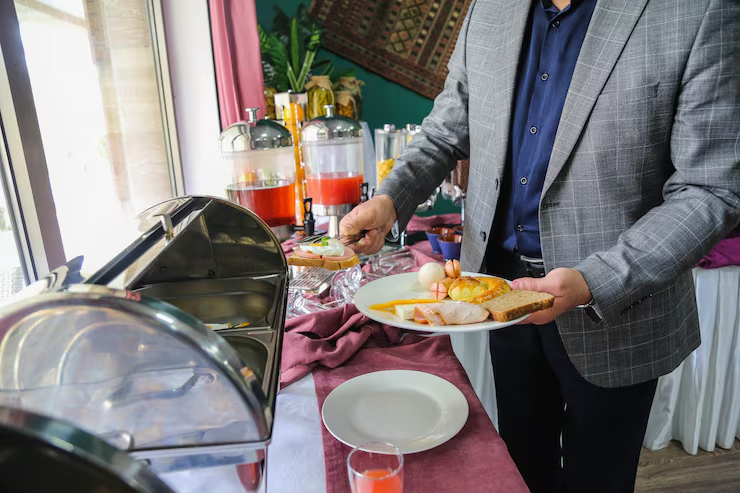
Frequently Asked Questions
What is the main difference between a cloud kitchen and a restaurant in the UAE?
A cloud kitchen operates exclusively for delivery with no dine-in space, while a traditional restaurant primarily serves customers on-site. In the cloud kitchen vs restaurant UAE debate, the core difference is cost structure and customer experience model.
Is a cloud kitchen profitable in Dubai?
Yes, when operated efficiently. The lower overhead of a cloud kitchen means it can reach profitability faster than a restaurant. However, delivery platform fees (18–30%) significantly impact margins.
How much does it cost to open a cloud kitchen in Dubai?
A cloud kitchen in Dubai typically costs AED 157,000–350,000 to launch, including licensing, kitchen equipment, and initial setup — significantly less than a traditional restaurant.
Can a cloud kitchen compete with a restaurant in the UAE?
In the delivery market, absolutely. Cloud kitchens can dominate delivery rankings on Talabat and Deliveroo by optimizing their platform presence, pricing, and order fulfillment speed.
What equipment does a cloud kitchen need in the UAE?
Essential cloud kitchen equipment includes commercial ovens (especially combi ovens), commercial fryers, refrigerators, blast chillers, and food preparation equipment. Visit Al Razana for a complete equipment guide.
Which is better for beginners: cloud kitchen or restaurant in Dubai?
For first-time food entrepreneurs, a cloud kitchen offers a lower-risk entry point into the market. The lower capital requirement and faster launch timeline makes the cloud kitchen vs restaurant Dubai comparison tilt toward cloud kitchens for beginners.
Do cloud kitchens need a trade license in Dubai?
Yes. A cloud kitchen requires a valid food service trade license from the DED or relevant free zone authority, plus a kitchen approval from Dubai Municipality.
Can I run multiple brands from one cloud kitchen in the UAE?
Yes, and this is one of the most powerful advantages of the cloud kitchen model. Multiple virtual restaurant brands can operate from a single licensed kitchen, each appearing separately on delivery platforms.
What are the biggest challenges of running a restaurant in Dubai?
High rent, intense competition, staff turnover, and managing both dine-in and delivery operations simultaneously are the primary challenges. The cloud kitchen vs restaurant UAE comparison clearly shows restaurants carry significantly higher fixed cost risk.
Is the cloud kitchen market growing in the UAE?
Yes. The UAE’s cloud kitchen market has been growing rapidly, driven by high smartphone penetration, delivery platform adoption, and changing consumer dining habits particularly among urban professionals.
What is a hybrid kitchen model in the UAE?
A hybrid kitchen combines a dine-in restaurant with a cloud kitchen operation from the same facility. This model maximizes kitchen utilization and revenue by running delivery-only brands during off-peak dine-in hours.
Which requires more staff: a cloud kitchen or a restaurant?
A traditional restaurant requires significantly more staff due to front-of-house service, hosting, and management. A cloud kitchen typically needs only kitchen production staff and delivery coordination, making it more lean.
Conclusion: Making Your Decision in the Cloud Kitchen vs Restaurant UAE Debate
The food business landscape in the UAE has never offered more options — or more opportunity — than it does in 2026. The cloud kitchen vs restaurant UAE debate ultimately comes down to your capital, your risk tolerance, your brand vision, and your operational strengths.
Cloud kitchens win the efficiency battle. Restaurants win the experience battle. And for entrepreneurs willing to combine both, the hybrid model may represent the future of food service in Dubai.
What’s clear is that regardless of which model you choose, investing in professional-grade commercial kitchen equipment is non-negotiable. The efficiency, safety, and reliability of your kitchen infrastructure will determine your ability to scale, stay compliant, and consistently deliver food that keeps customers coming back.
🛒 Ready to build your kitchen? Whether you’re launching a cloud kitchen or a restaurant in the UAE, explore the complete range of commercial kitchen equipment atAl Razana — fromCommercial Ovens andCooking Equipment toRefrigeration andCoffee Machines.
Found this analysis helpful? Share it with a fellow food entrepreneur, leave your thoughts in the comments, and explore our other guides on building a successful food business in the UAE.